Input accuracy is part of the test
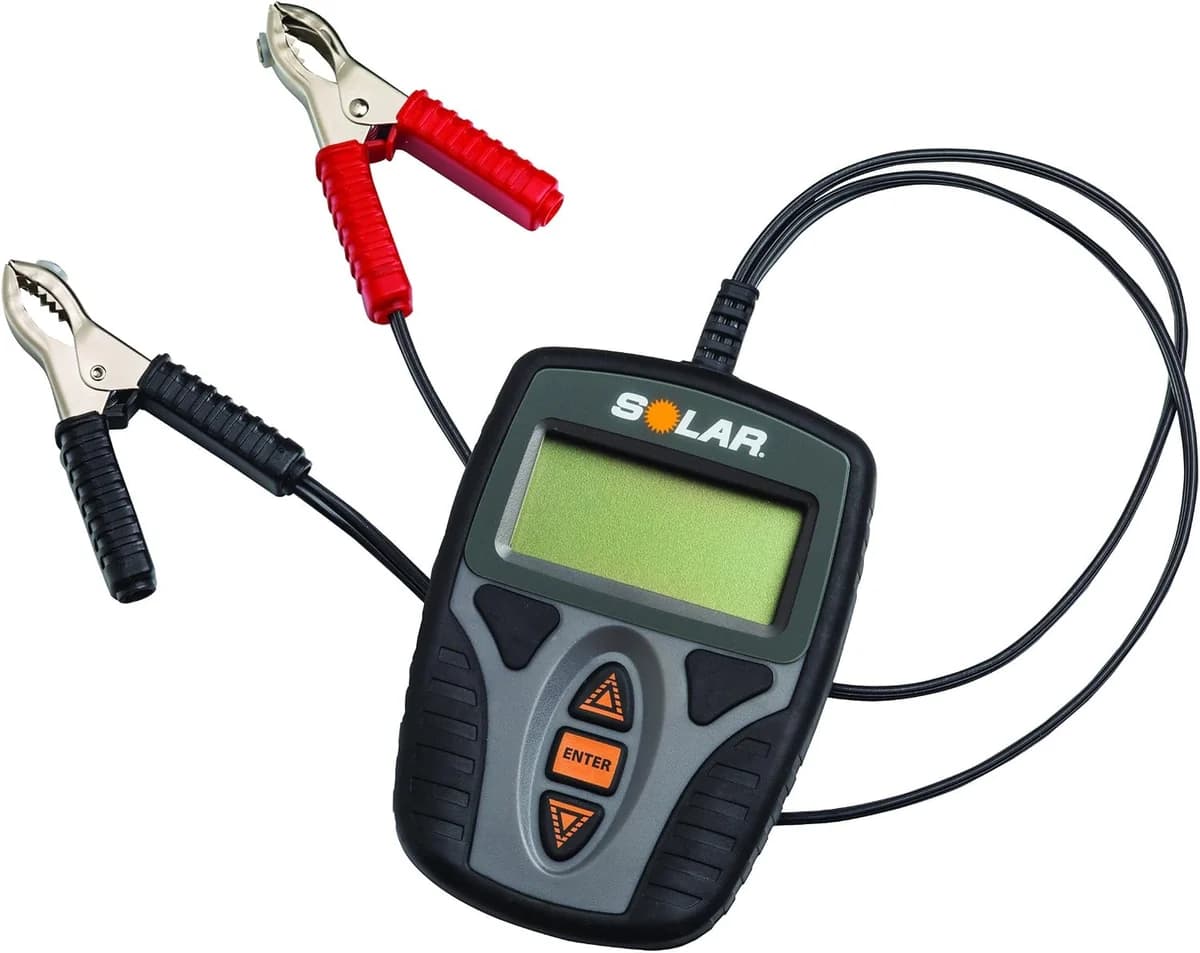
The BA9 is specified for 12 V starting batteries over a 40–1200 CCA range. Read the battery label and select the correct rating standard and chemistry before interpreting a result. The number printed on the battery is a test input, not an optional approximation. Poor terminal contact or an incorrect setting can undermine a useful tester. Use the manufacturer instructions for connection and any required retest after charging.
Supported chemistry is a meaningful boundary
Clore lists flooded, flat-plate AGM, spiral AGM and gel starting batteries. That is not a claim of general lithium support and is unrelated to testing a high-voltage traction pack. The published 7–15 V operating range also matters when a battery has been deeply discharged. A tester failing to operate at very low voltage is a different situation from a valid completed test showing a weak battery; follow the documented recovery and retest process.
Starting and charging symptoms need context
A battery assessment is one part of investigating slow cranking or a recurrent flat battery. Connections, cable resistance, charging control and unwanted loads can produce similar symptoms. Use the BA9’s supported system checks alongside the vehicle procedure rather than treating one result as a complete diagnosis. A multimeter such as the Fluke kit can investigate circuit behaviour where a battery-focused report cannot identify the cause.
Tester, charger or jump starter?
The GENIUS5 replenishes compatible batteries, while GB40 and GB70 provide starting assistance within their applications. The BA9 does neither: it gives assessment information. That separation is useful when planning a kit, because a vehicle that starts after a jump may still have a battery or charging-system problem. Buy the tester when those decisions arise regularly; do not expect it to eliminate the need for charging equipment or further electrical diagnosis.