Begin with the vehicle service information and identify whether the operation is separating a tapered stud, pressing a joint, servicing a hub or gaining control-arm access. Check the required adapters and frame clearance before choosing a kit. The OTC 6295 set includes the 6297 separator; they are a set-versus-standalone decision. Use the 7249 for supported pressing arrangements and consult the 6575 application guide for hub work. Include appropriate vehicle support, hand tools and final torque equipment in the plan, and retain suitable workshop equipment already available. A powerful impact wrench is an optional removal aid where the tool instructions permit it, not a substitute for a compatible receiver or a specified tightening procedure.
Check the limits
This is an equipment buying plan, not coil-spring or strut-disassembly instruction. Stored suspension forces, loaded joints and vehicle support require the proper vehicle procedure and competence. Do not apply impact loading to a tool unless its own instructions allow it. Check Hub Grappler coverage beyond its published guide years.
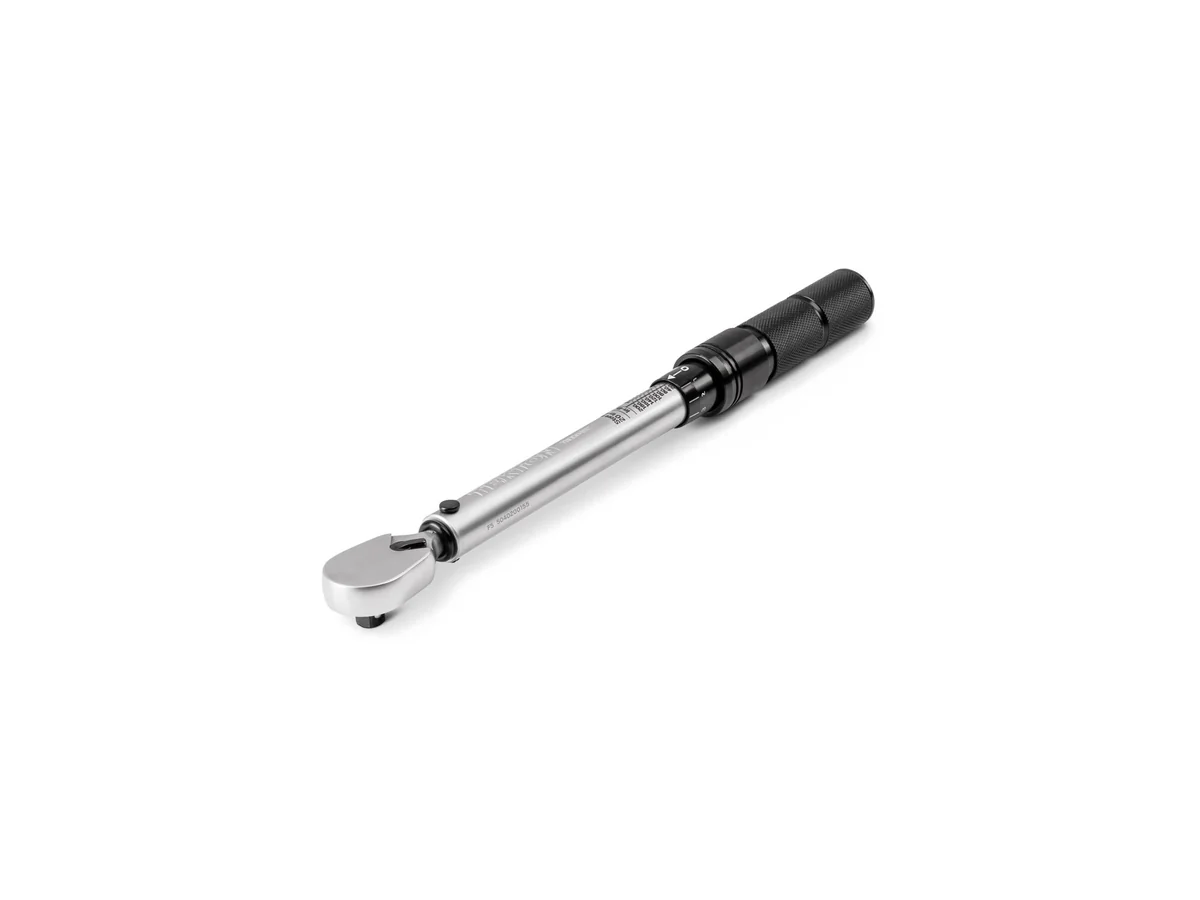
A click-type torque wrench for tightening suitable fasteners to a specified torque. Match its drive size and working range to the service information for the jobs you expect to do.
Its 20–200 in-lb range does not cover lower 10–19 in-lb settings. Use a different calibrated range when a fastener requires it.
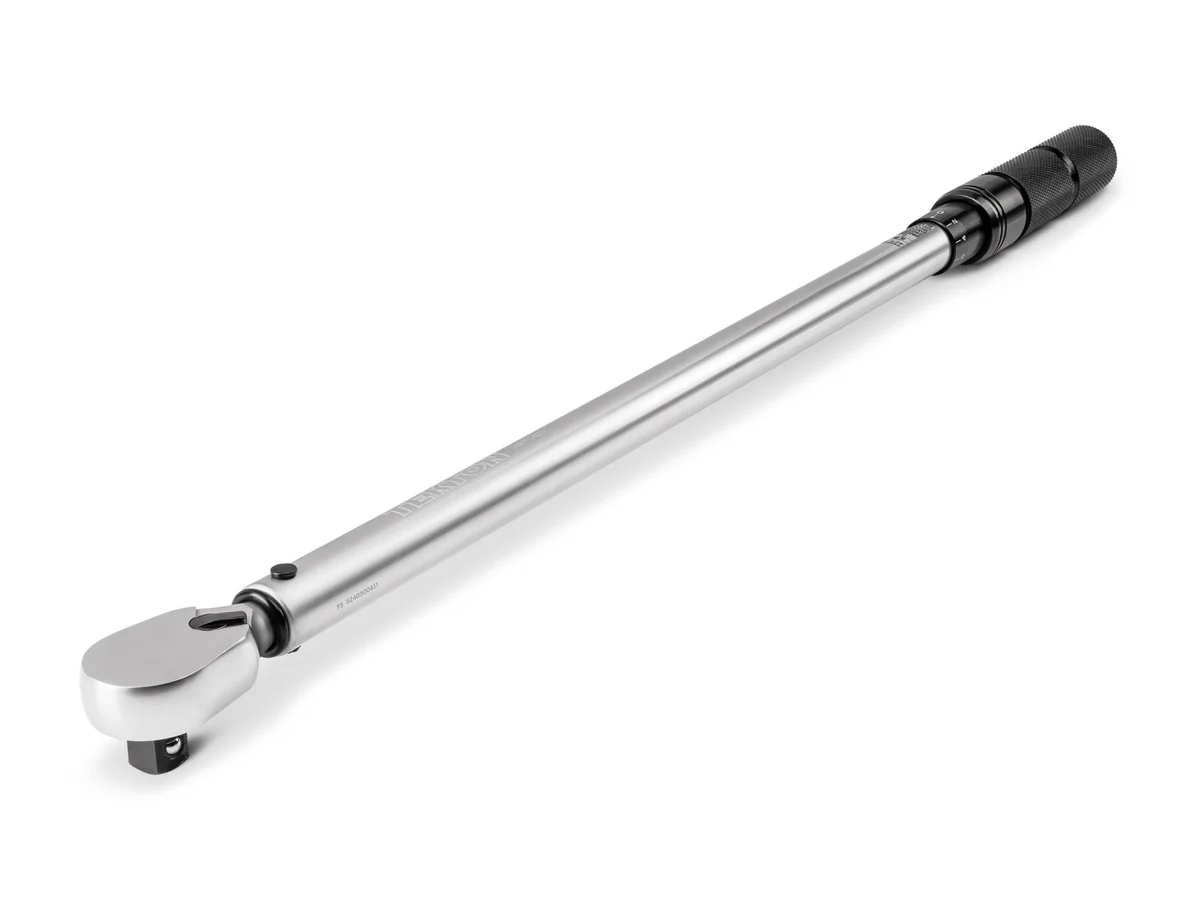
A second torque-wrench option for a different working range and drive requirement. Choose it around actual fastener specifications and access, rather than buying two overlapping ranges automatically.
Its 40–300 ft-lb range does not cover lower 25–39 ft-lb settings. Final tightening follows the vehicle specification, not impact-wrench settings.
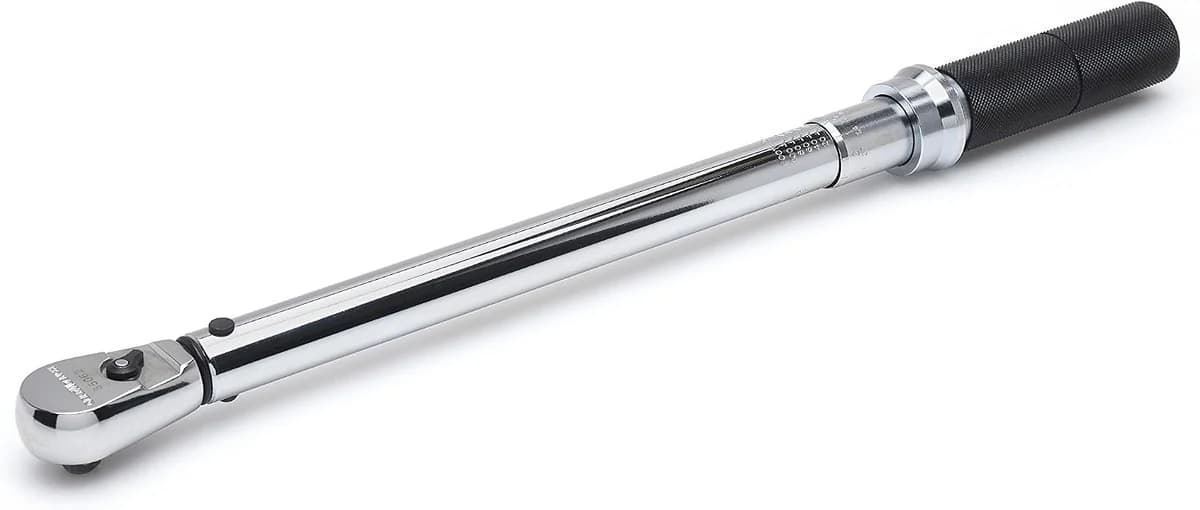
A mid-range torque wrench that fills part of the gap between a small inch-pound wrench and the larger 1/2-inch TEKTON. Its 3/8-inch drive is useful where socket size, access and service torque suit this range.
Check units and tightening direction. The published accuracy declaration covers clockwise use in the upper 80% of full scale; do not assume identical accuracy at every low setting.
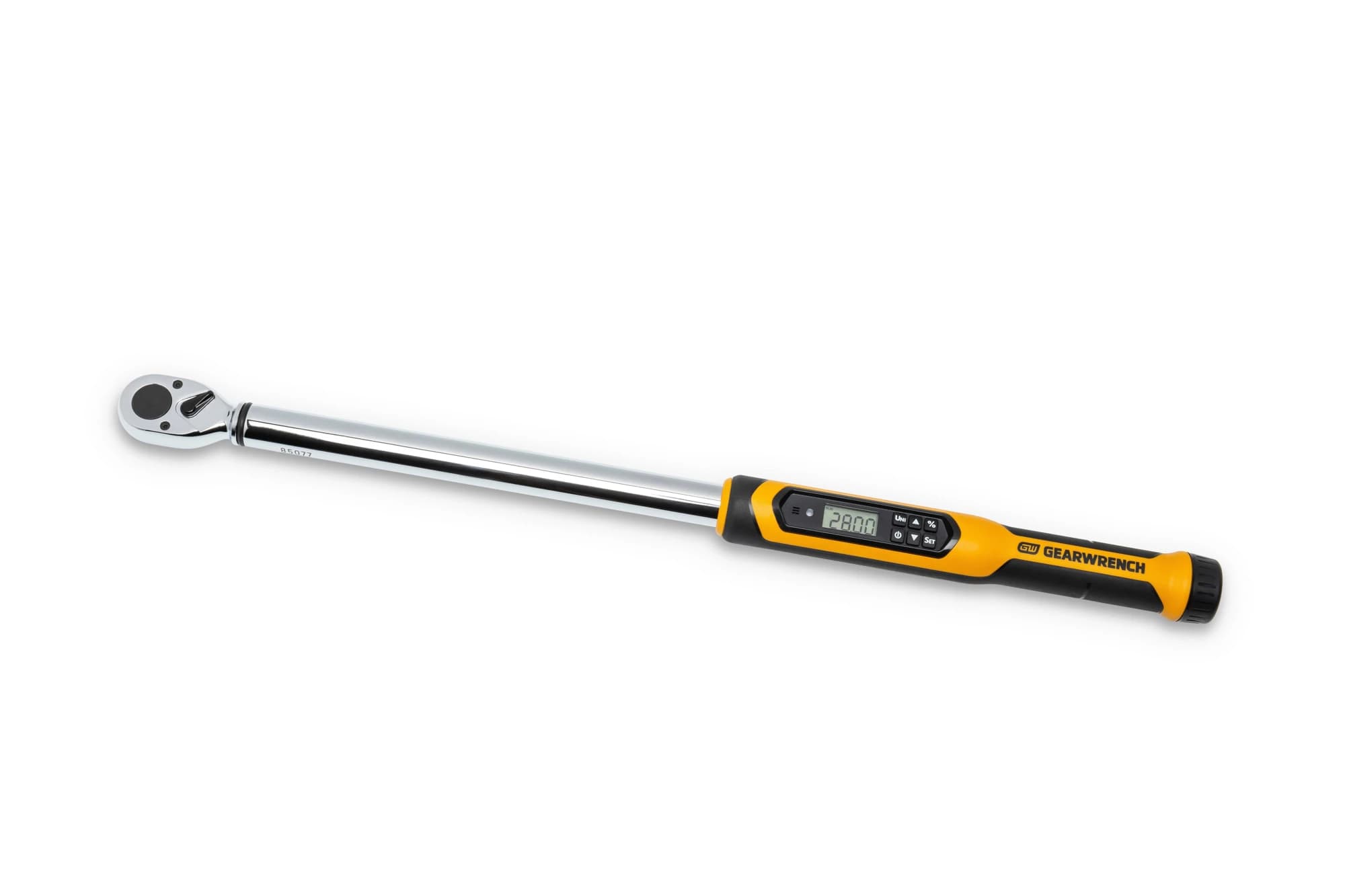
The 85077 covers 25–250 ft-lb through a 1/2-inch drive, with electronic feedback for approaching the selected torque. It suits general service and wheel fasteners within that range; it is not a documented torque-angle wrench and cannot replace the vehicle's tightening procedure.
Do not claim torque-angle capability without documentation
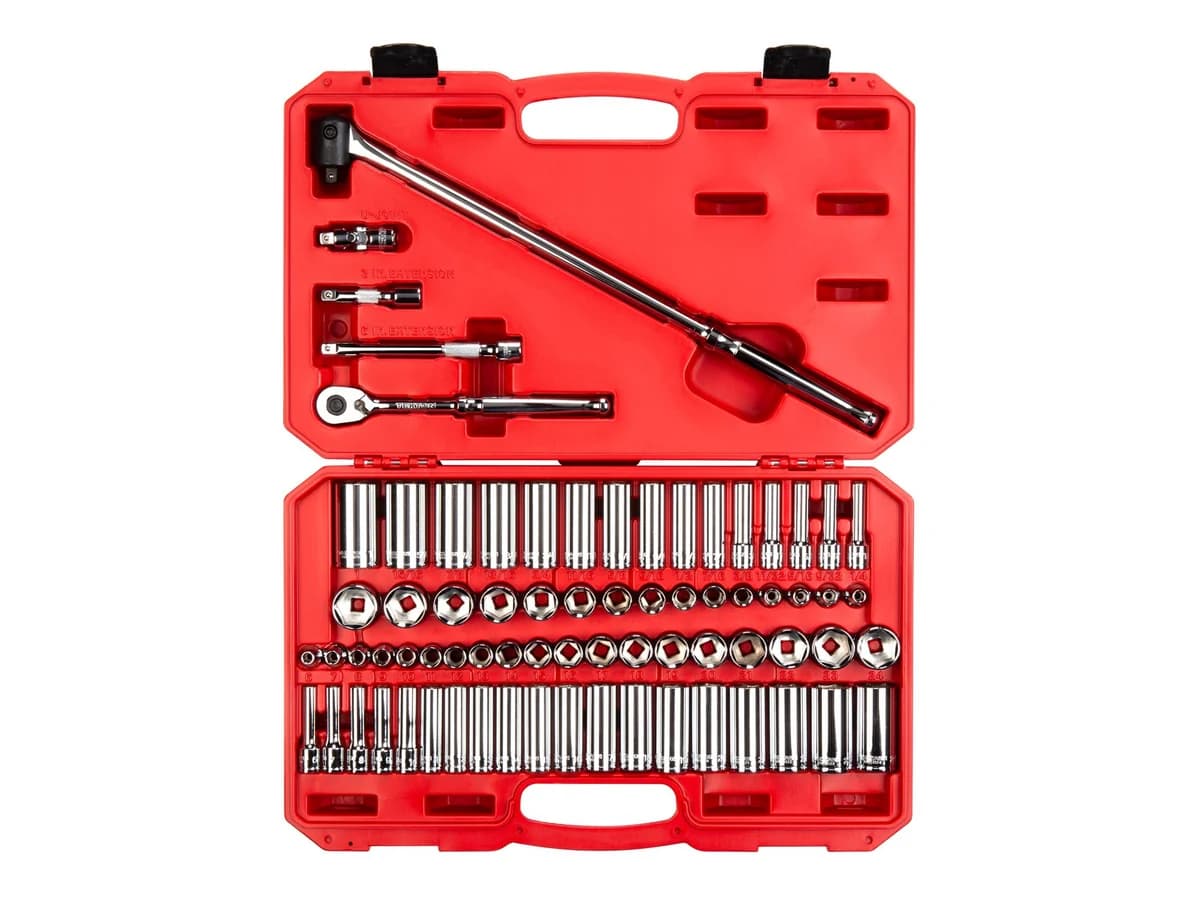
A socket-and-ratchet set for everyday turning and access work around a vehicle. Check the included metric and SAE sizes against the vehicles you service before using piece count to judge its usefulness.
Check that the offer is the 80300P 51-piece set. These chrome hand-drive sockets must not be assumed impact-rated.
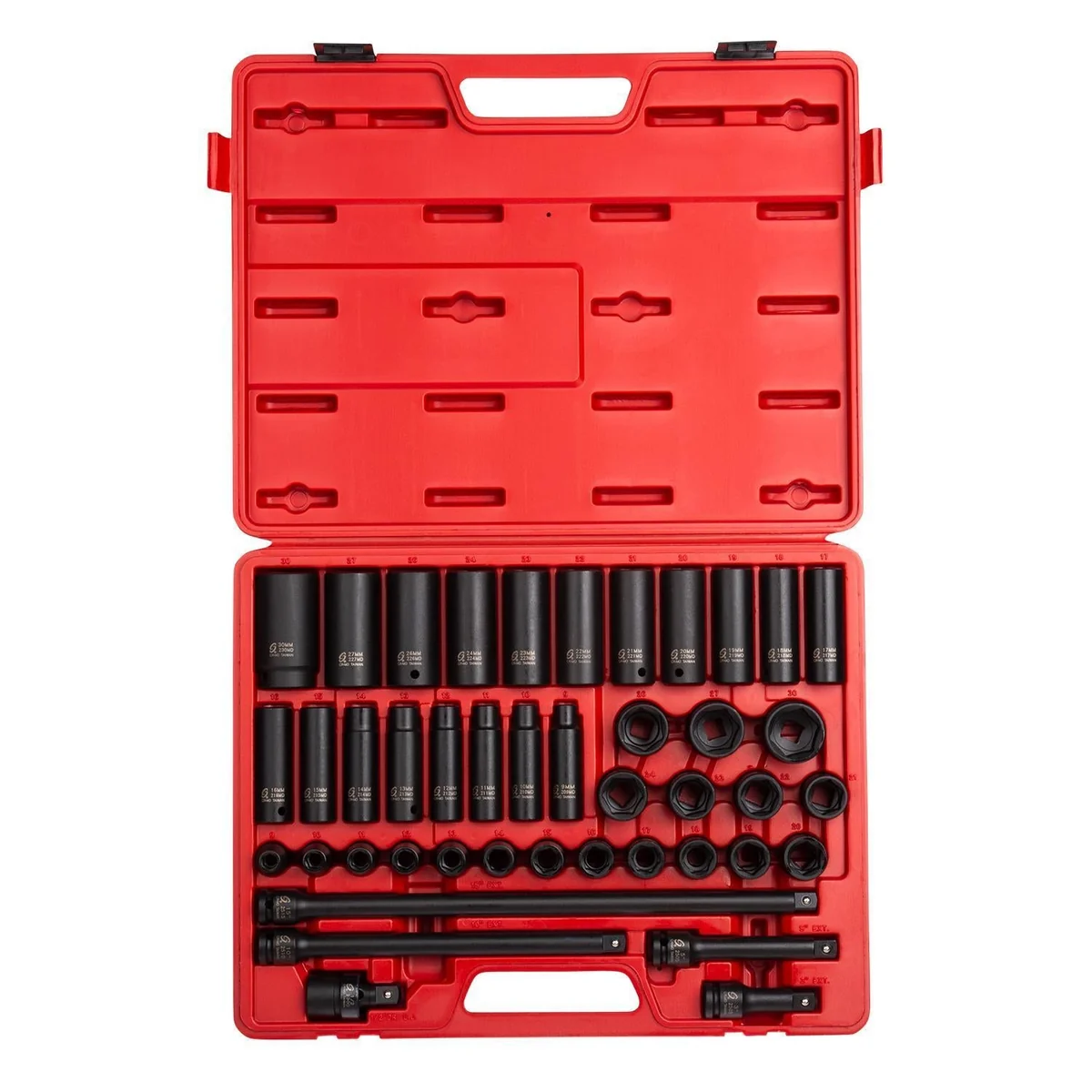
An impact-socket set for compatible powered fastening work. Its drive size, socket depths and size coverage should match the impact wrench and fasteners already in your kit.
There are size skips: 25, 28 and 29 mm are not included. Match socket size, clearance and impact tool.
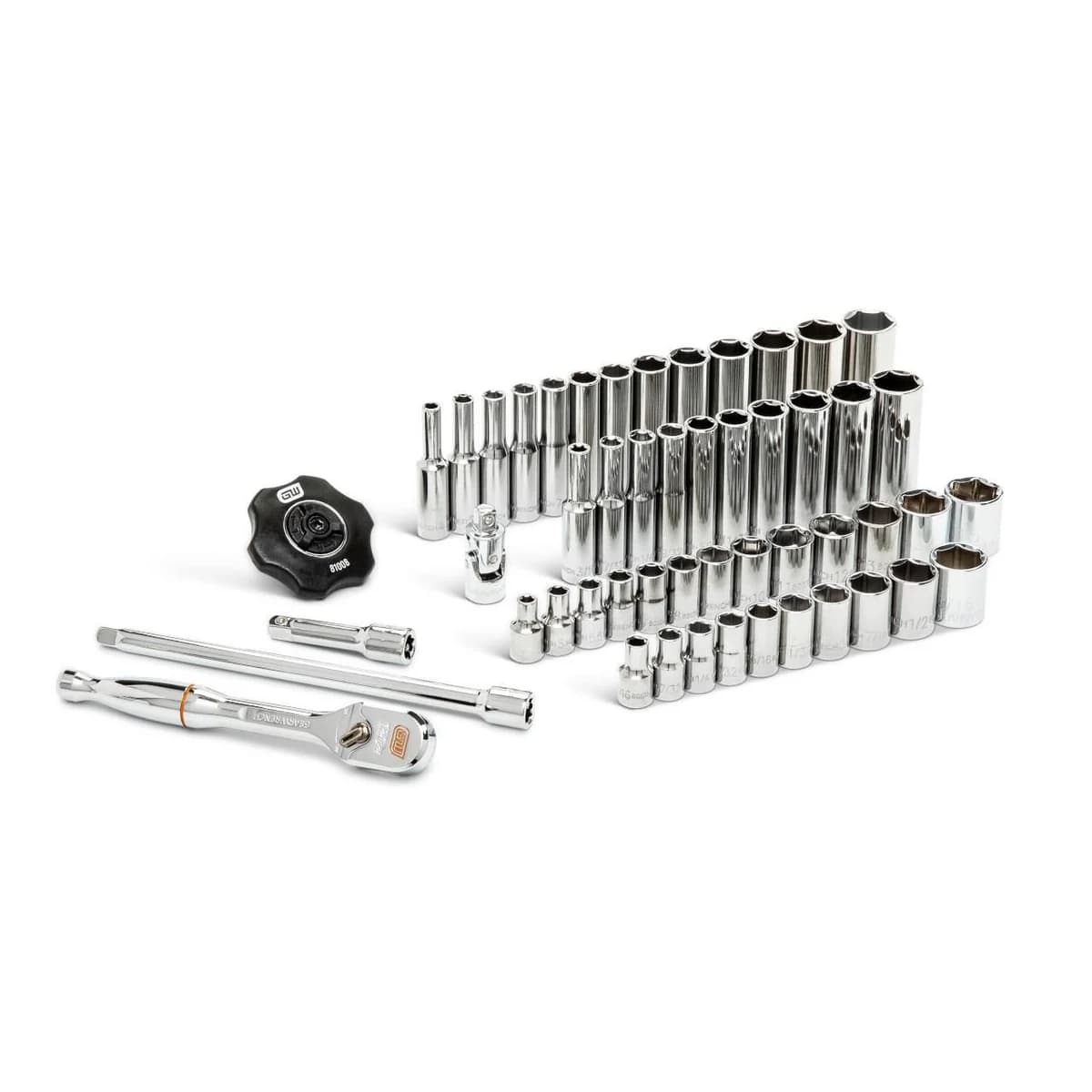
A hand-drive socket set for building broad everyday fastening coverage. Review the socket sizes and supplied drive tools so the set fills gaps in your kit rather than duplicating what you own.
Count owned tools first: kit accessories overlap separate extensions. These chrome sockets are not a substitute for the impact set.
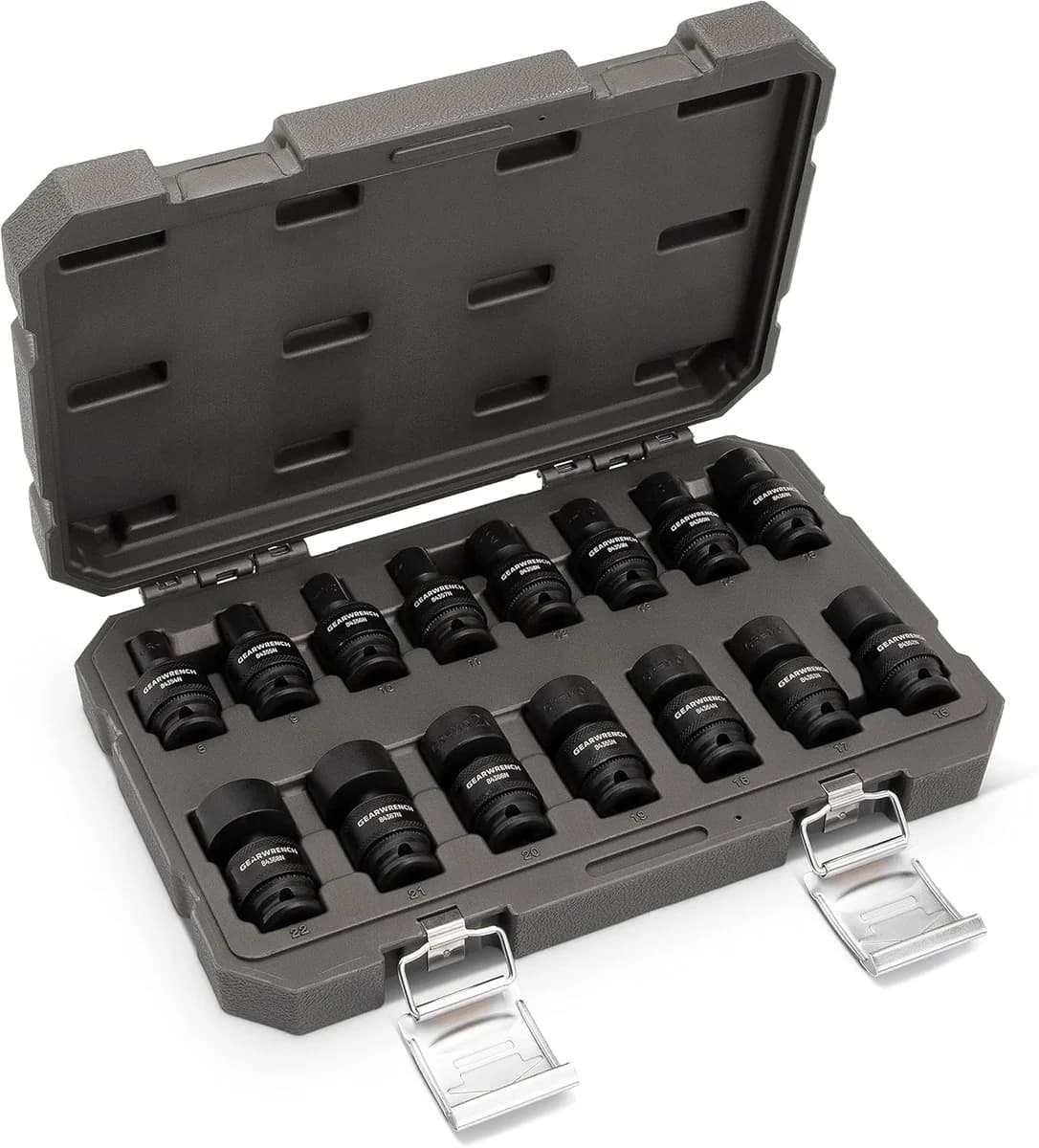
A metric impact-socket set with articulating joints for fasteners that cannot be approached straight on. It adds access capability rather than duplicating a deep socket set in a smaller case.
Check joint clearance, socket size and tool instructions before powered use. This is the 84918N universal set, not a conventional chrome hand-socket set.
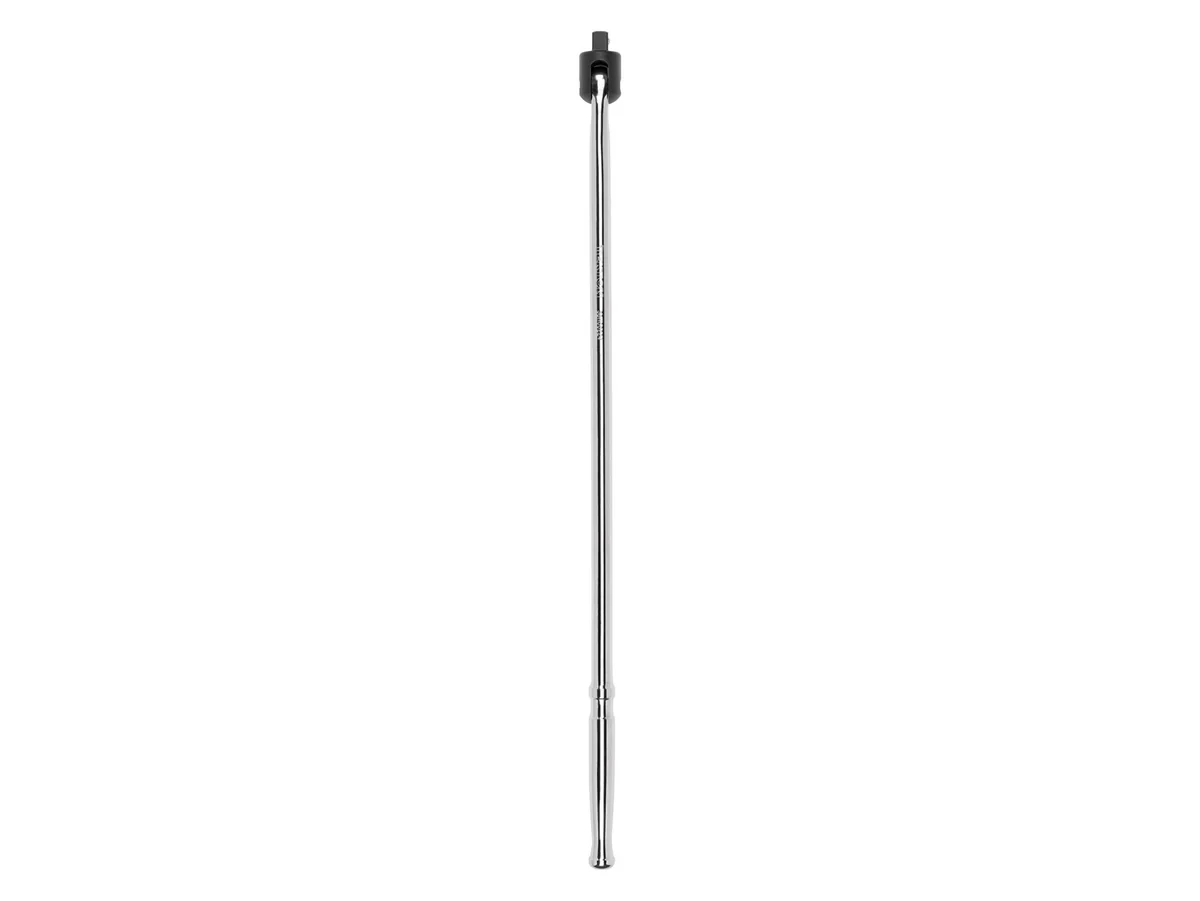
A long breaker bar for applying controlled manual leverage to suitable fasteners. It provides a separate tool for loosening work before a torque wrench is used for specified tightening.
Manual loosening and controlled leverage; not a calibrated torque wrench or an impact-drive accessory.
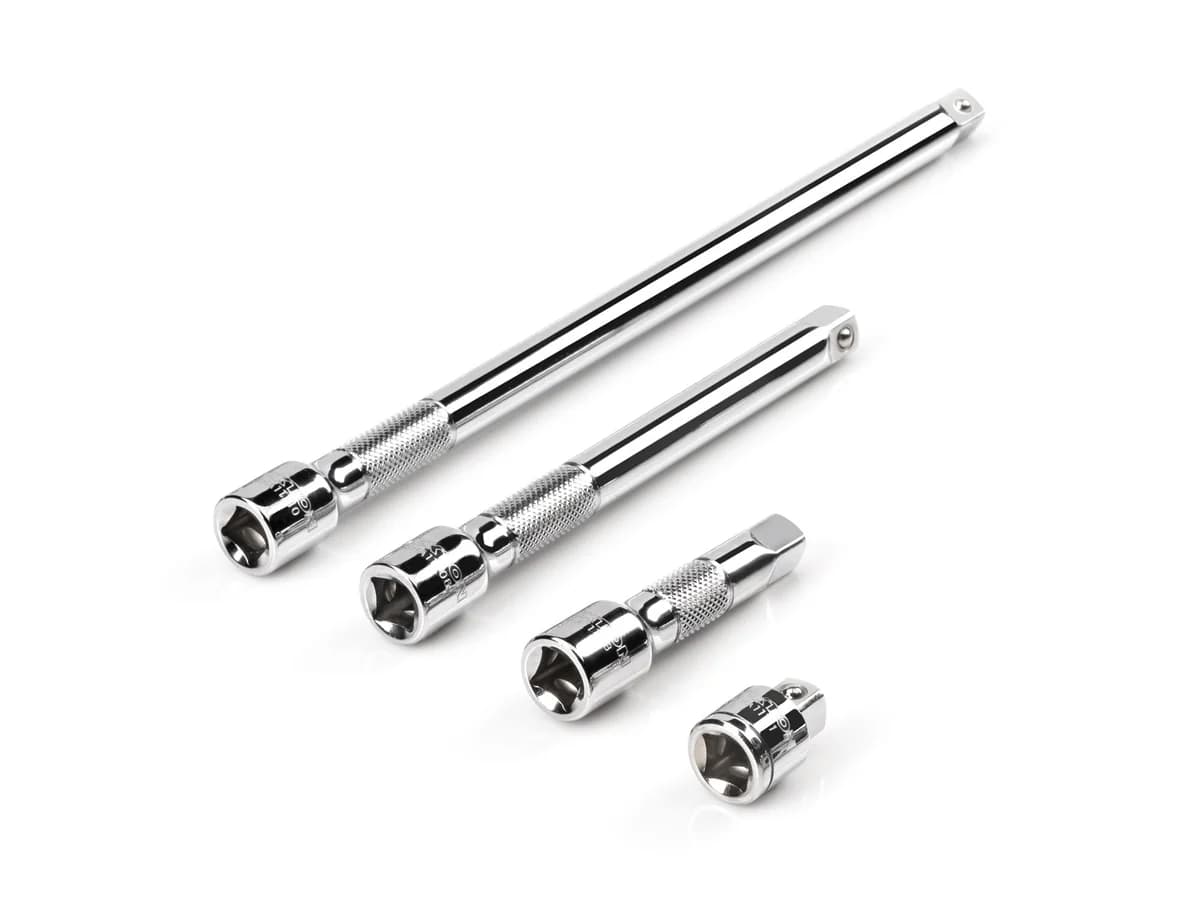
A socket-extension set for reaching fasteners beyond a ratchet’s immediate clearance. Different lengths help position the handle where there is room to turn it.
Optional purchase if the socket kit already supplies the required reach; not advertised here as impact-rated.
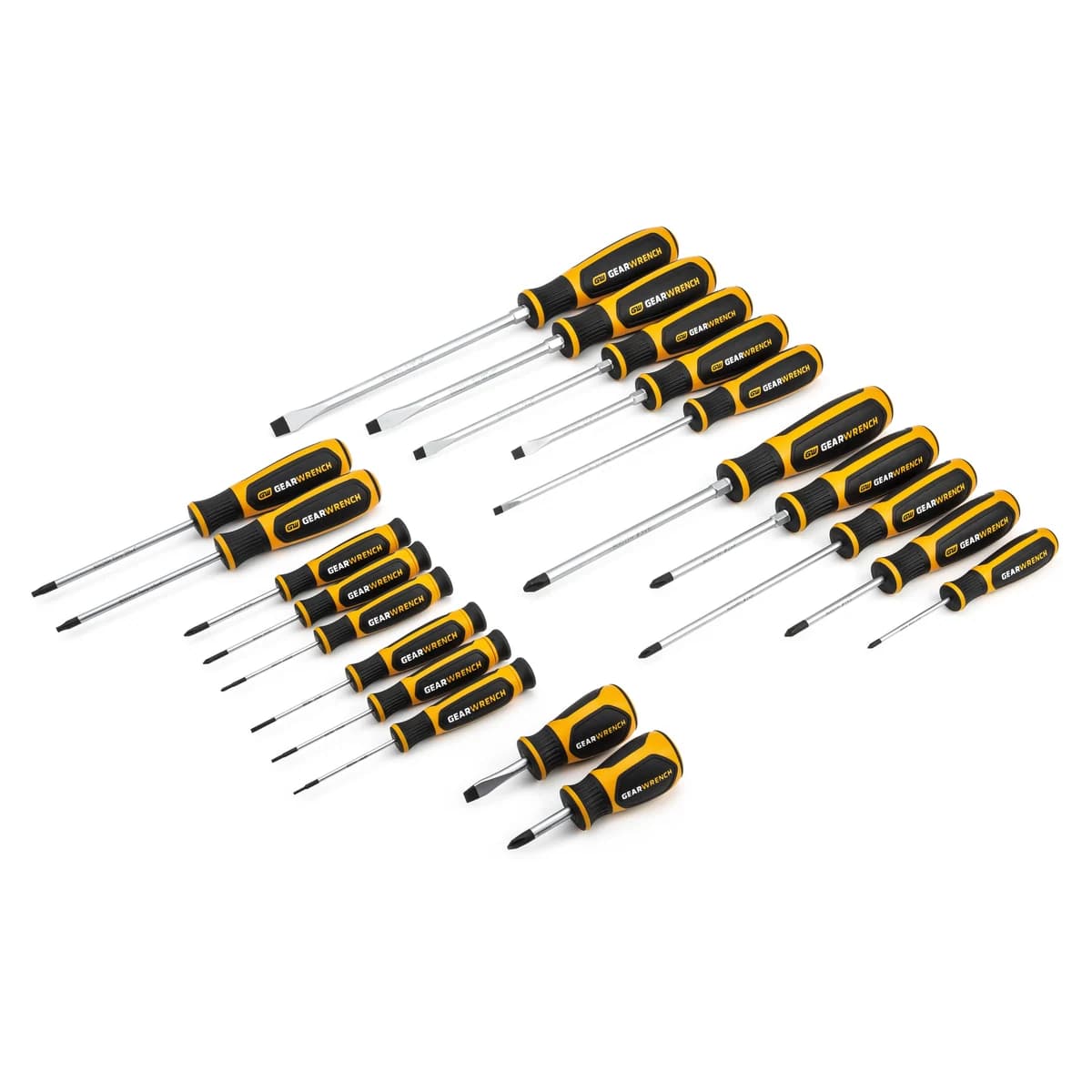
A screwdriver set for common manual fastening tasks and workshop access work. Choose tip sizes that fit the screw properly and avoid using a screwdriver as a pry bar.
Exact H suffix matters. Includes small precision profiles and T15/T20, not a complete Torx fastener range. Choose an appropriate profile and avoid using screwdrivers as pry bars.
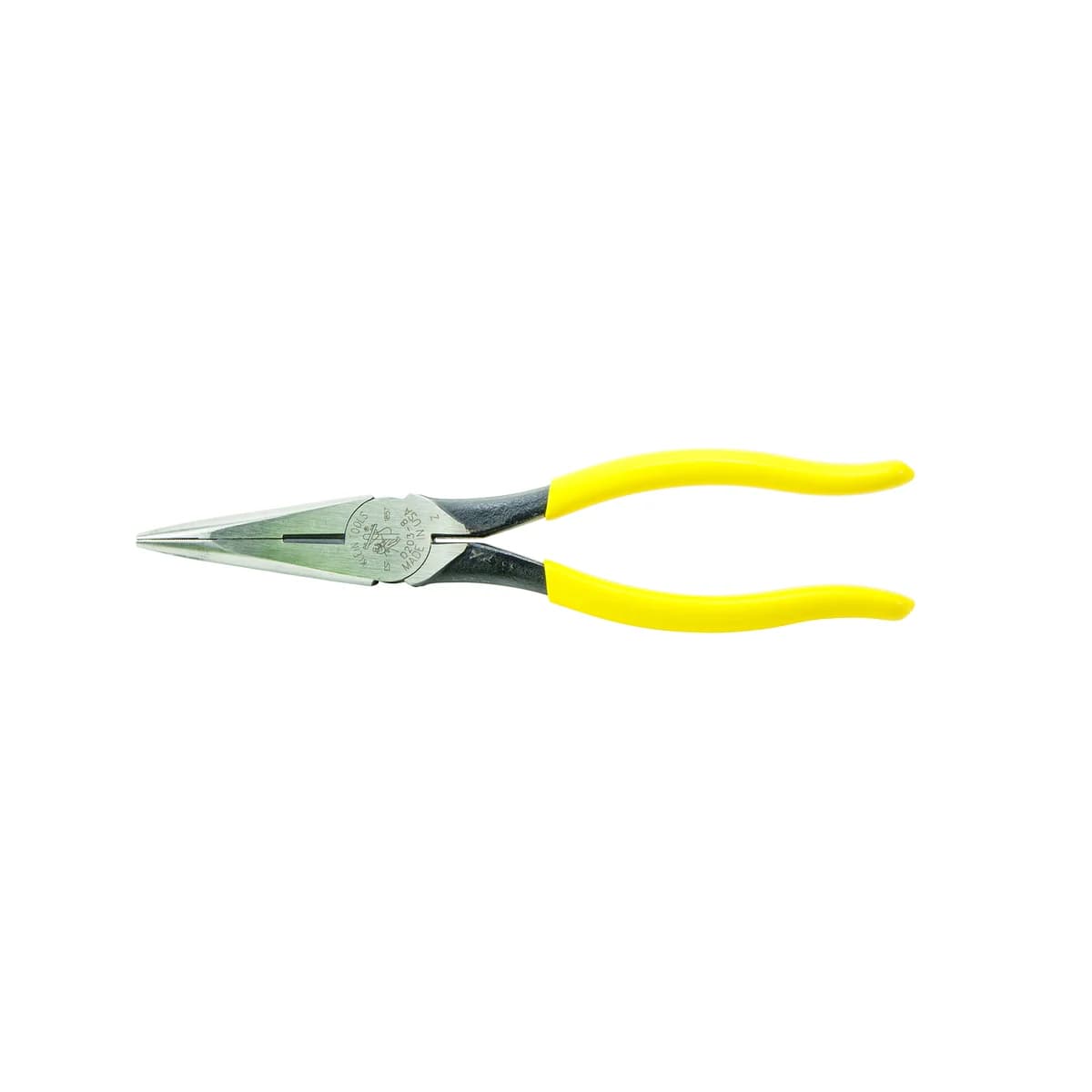
Long-nose pliers for reaching and handling small parts in confined spaces. Their narrow jaws are useful where fingers or broader pliers cannot get a controlled grip.
The standard model is not the insulated -INS or glow-handle -GLW variant. Ordinary handle covering is not electrical insulation.
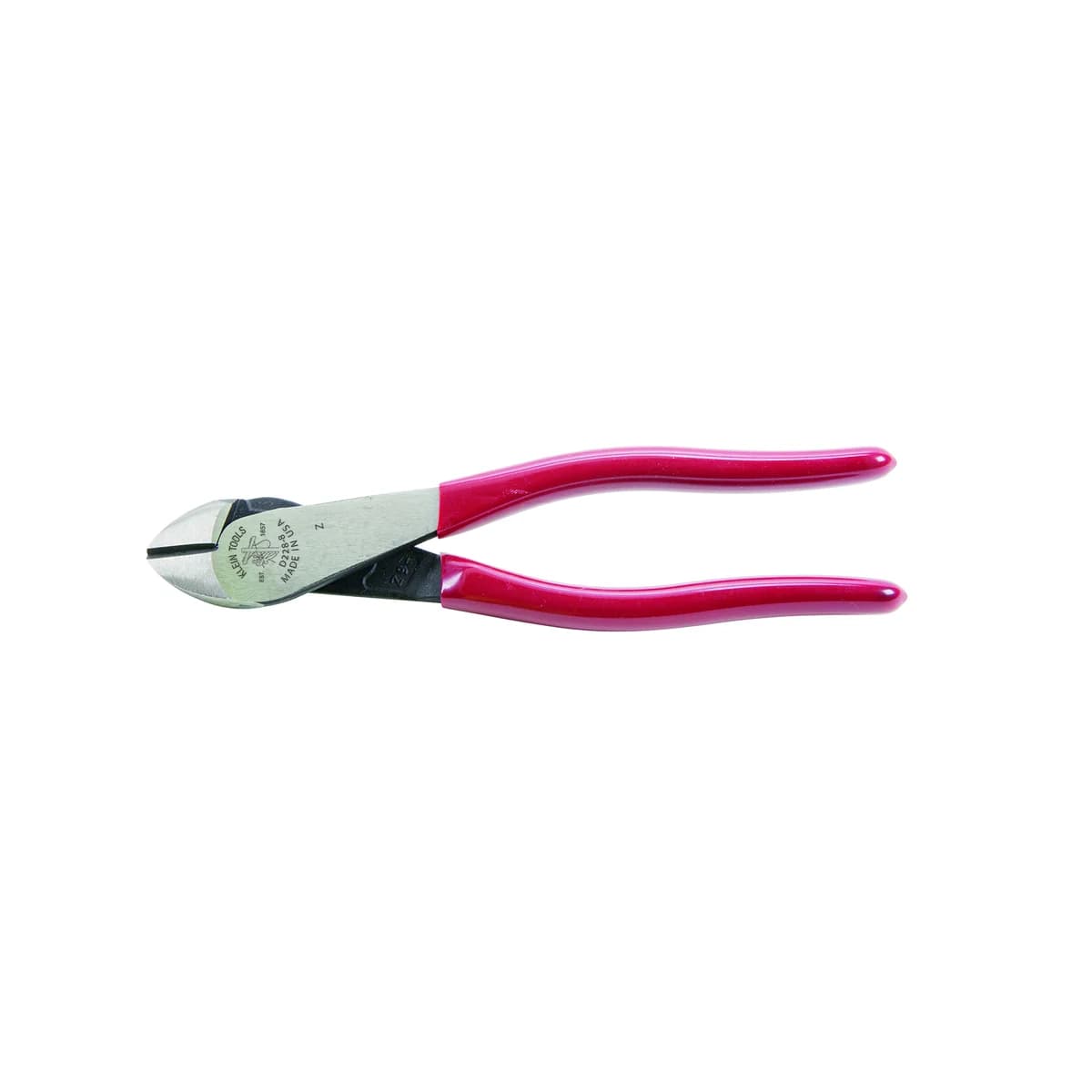
Diagonal-cutting pliers for appropriate wire and cutting tasks in a mechanic’s hand-tool kit. Check the material and capacity before cutting hardened components or using excessive leverage.
This is the standard version, rather than -INS or tethered -TT. Use it for appropriate cutting material, not hardened automotive fasteners.
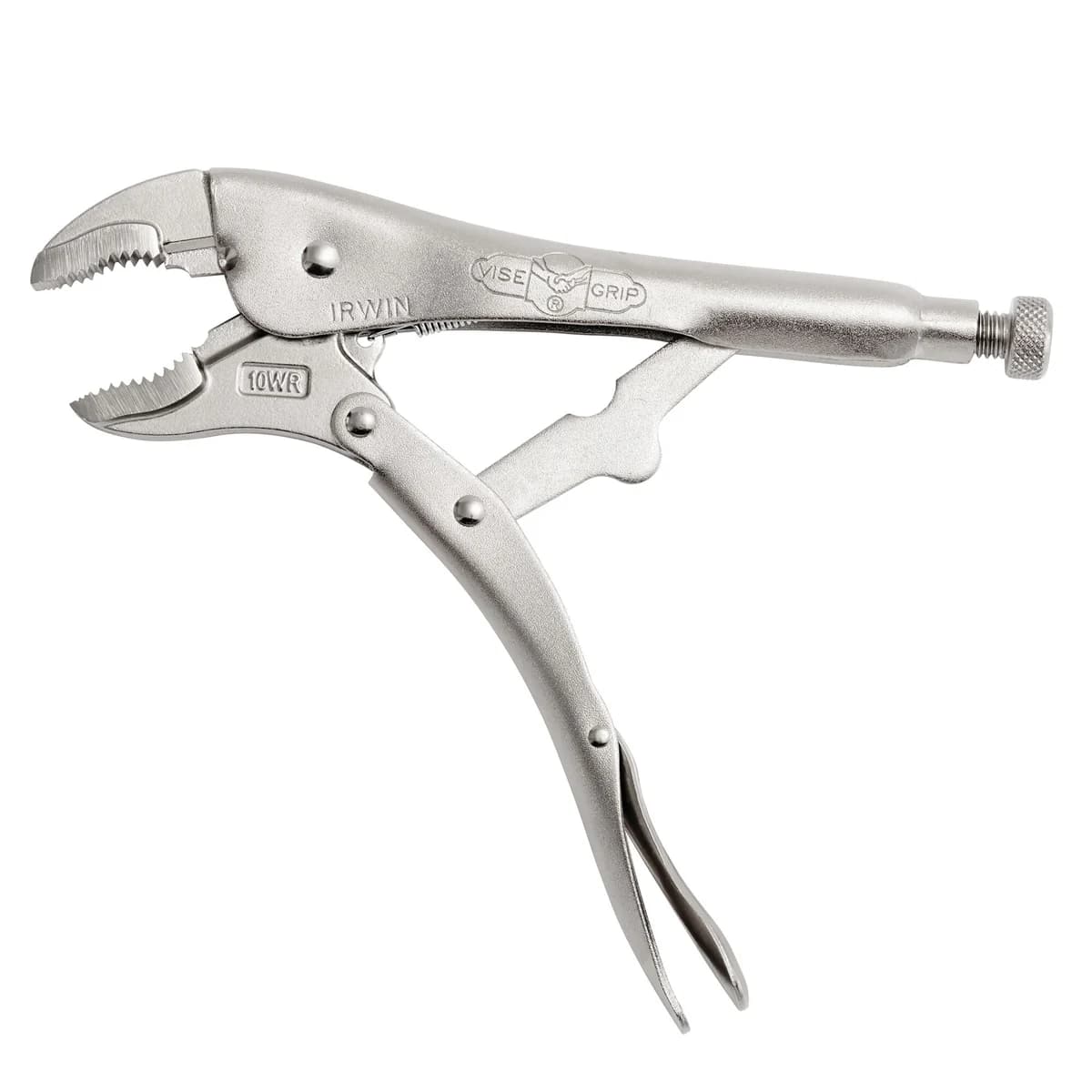
Curved-jaw locking pliers for holding suitable parts during workshop work. Jaw adjustment and release access matter, and the jaws can mark finished surfaces.
The selected 502L3 is one 10WR curved-jaw locking plier. Locking jaws can mark fittings; choose a proper flare-nut or combination wrench for precision fittings.
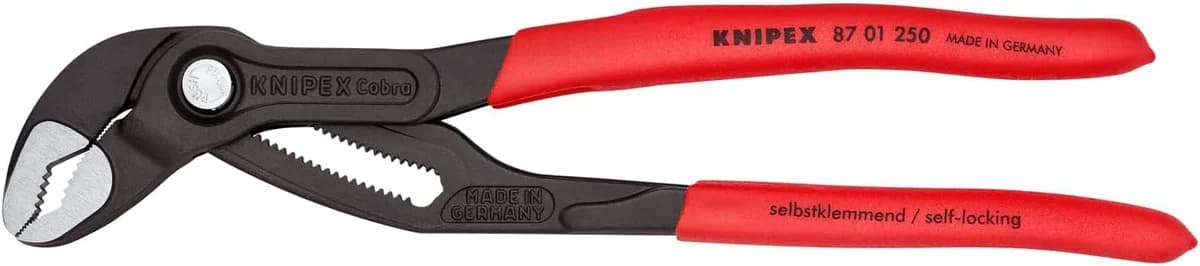
Adjustable water-pump pliers for gripping suitable parts of different sizes. They complement fixed-size wrenches, particularly where a secure grip matters more than protecting a finished surface.
Serrated jaws suit gripping tasks but can mark precision fittings. Check the exact 87 01 250 handle configuration when ordering.
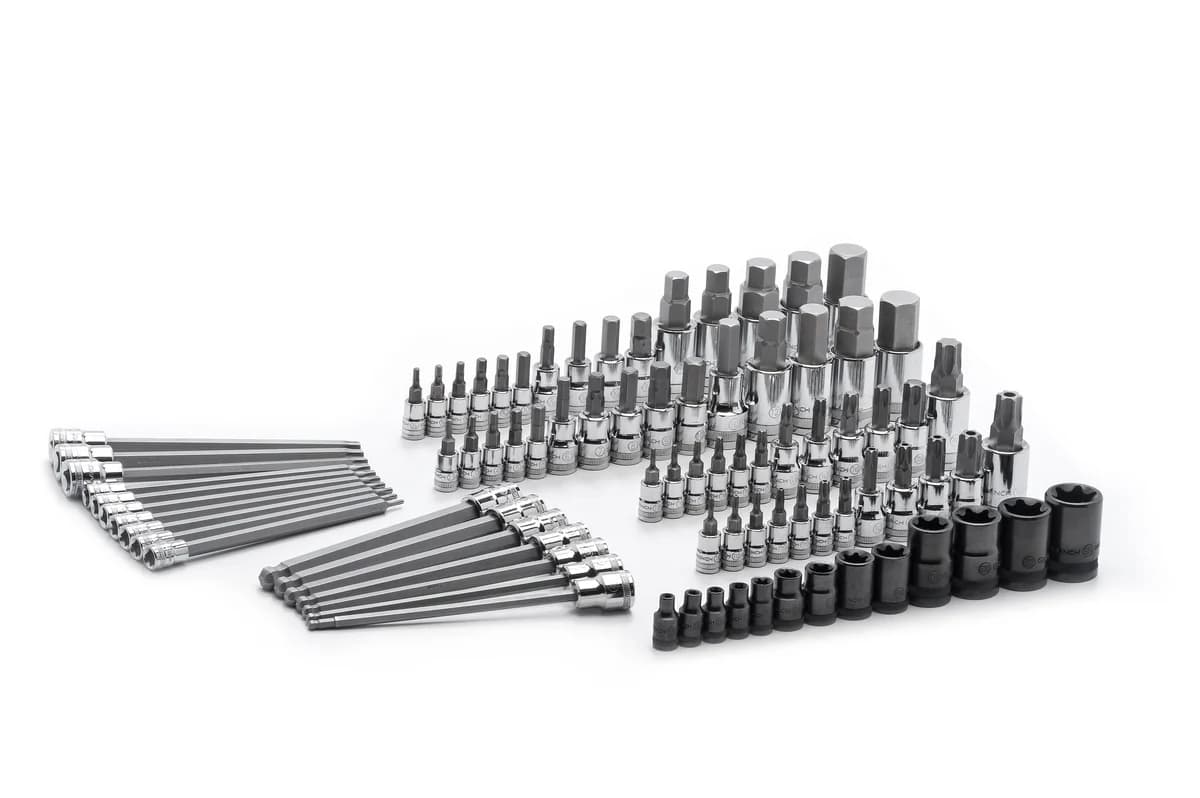
A bit-socket set covering several hex and Torx fastener profiles used around vehicles. Identify the exact profile and size before applying torque; similar-looking profiles are not interchangeable.
Manufacturer explicitly limits use to manual drive tools: do not put these on the cordless impact wrench. Match individual sizes to the course and serviced vehicles.
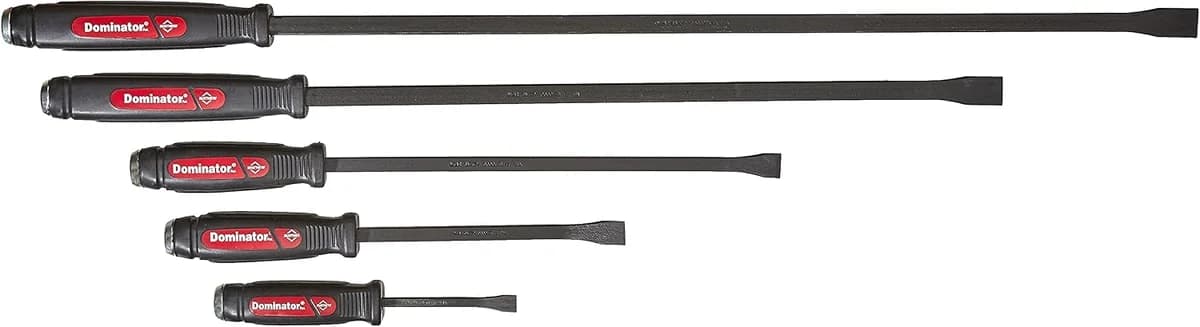
A handled pry-bar set for controlled leverage in appropriate mechanical service work. The different bar sizes help with access, but the contact point must tolerate the applied load.
Choose bar length for access and controlled leverage, protect adjacent parts and avoid using a screwdriver as a substitute. Individual bar lengths need confirmation before a length-specific purchase.
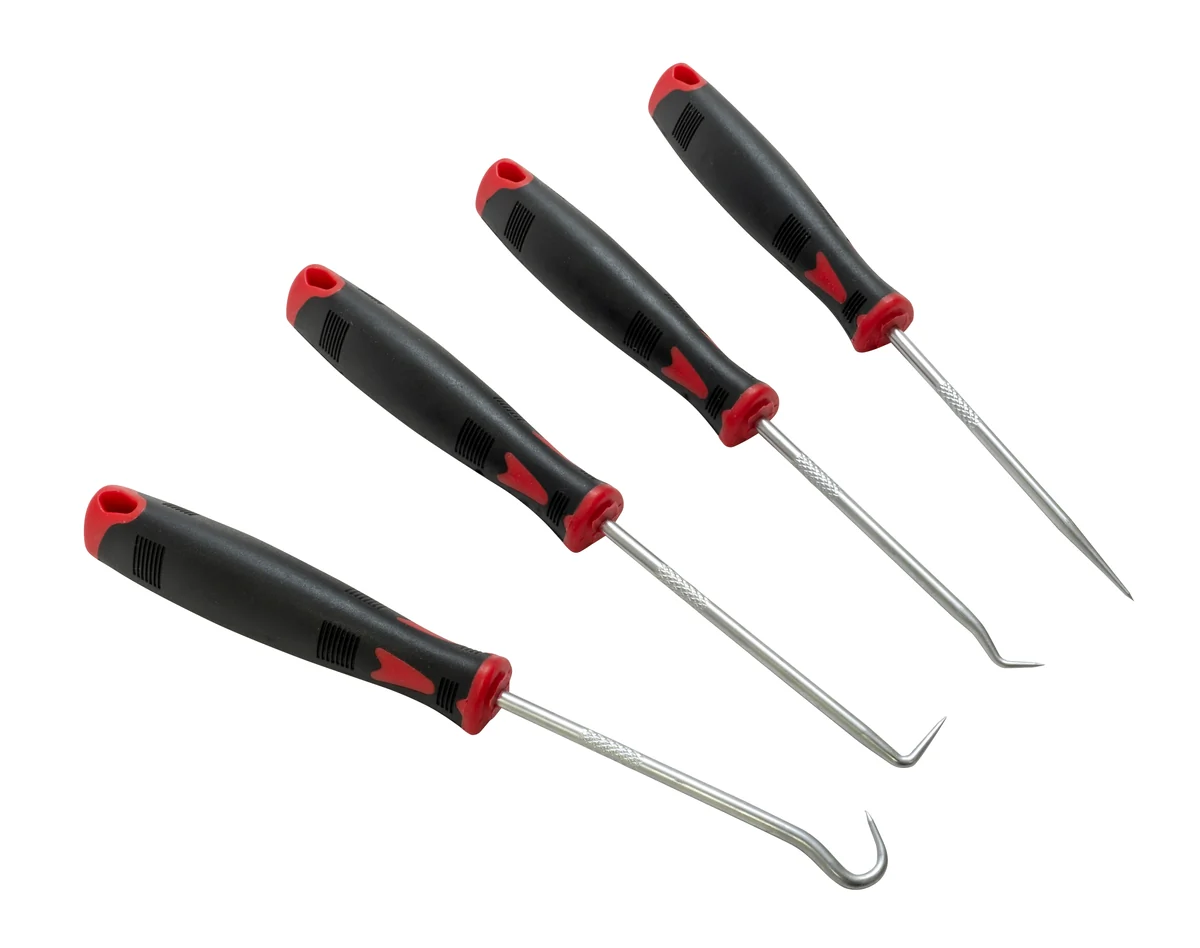
A pick-and-hook set for reaching seals, clips and small components during suitable service tasks. Work carefully around sealing surfaces and wiring insulation that a sharp tip could damage.
Useful for clips, seals and O-rings with care; sharp picks can score sealing surfaces. Not a heavy pry-bar substitute.
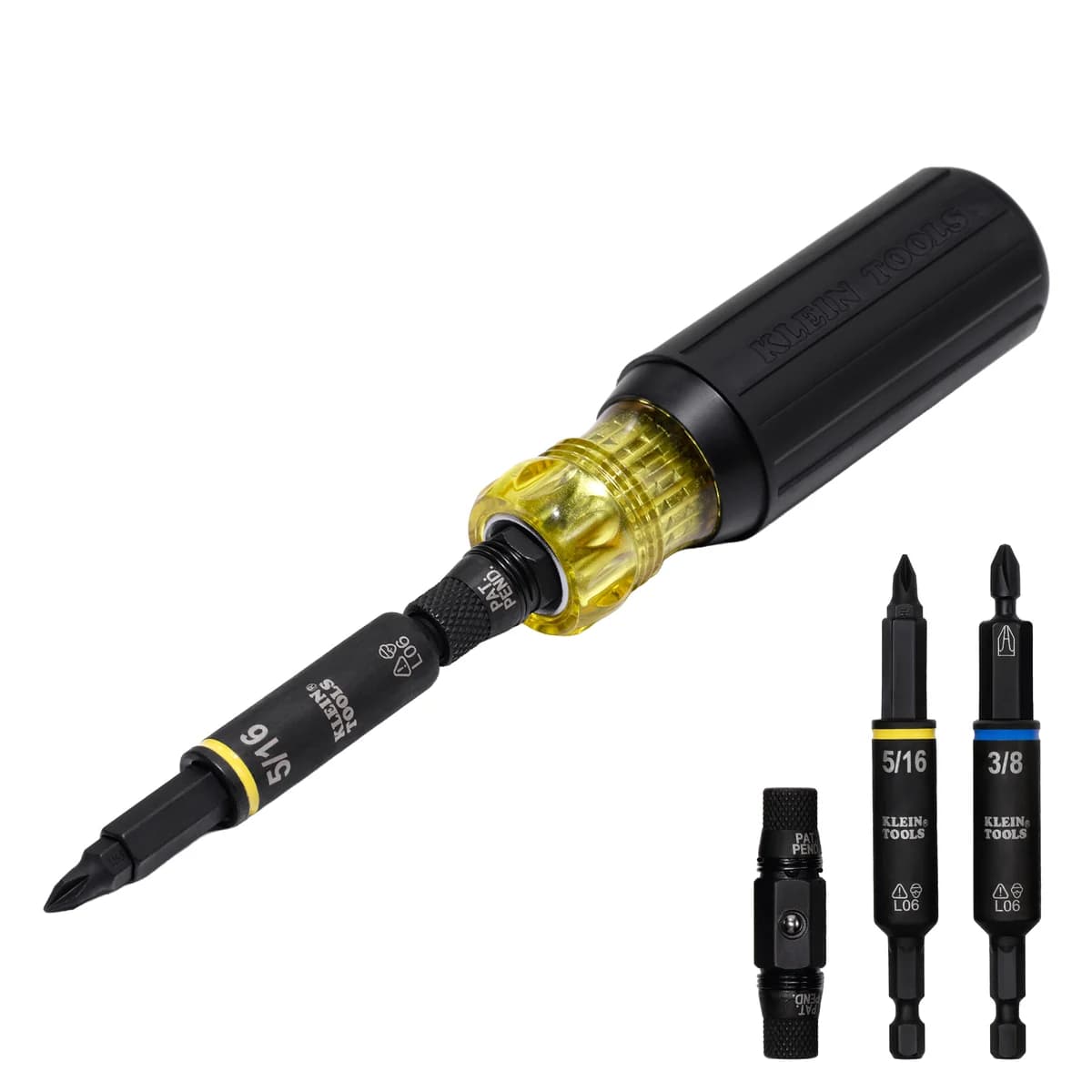
A multi-bit screwdriver and nut-driver tool for keeping common manual fastening options together. Check the included profiles and avoid applying it to fasteners that need a more suitable dedicated tool.
This is the 32500HD rather than the 32500HDRT ratcheting version or an insulated driver. The standard 1/2-inch nut-driver function is not described as an impact power nut driver.
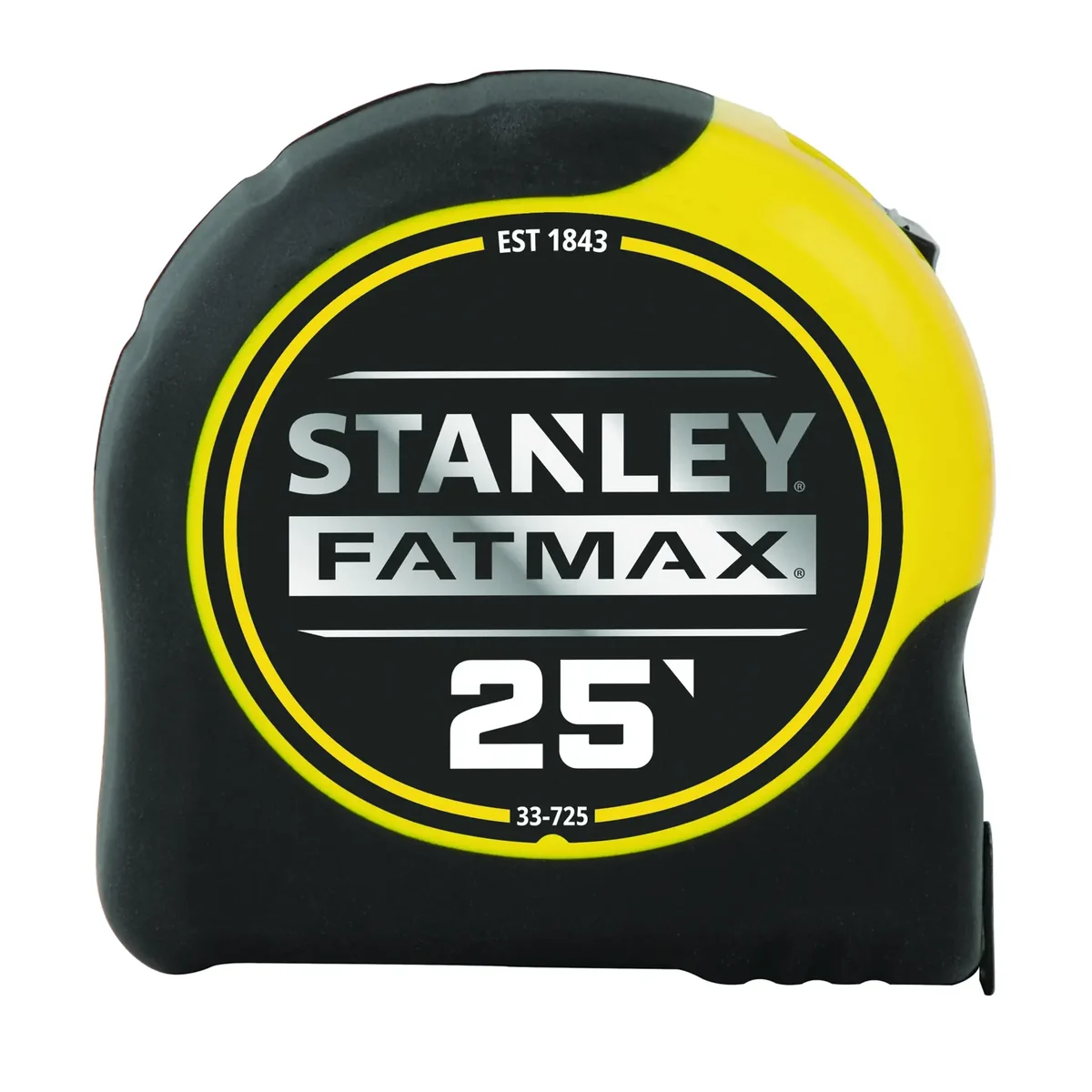
A 25-foot tape measure for workshop layout and general dimensional checks. It complements automotive measuring tools without replacing the precision instruments required for component tolerances.
This is the single 25-foot FATMAX tape. A tape measure helps with general dimensions; use a suitable precision rule or gauge for component clearances.
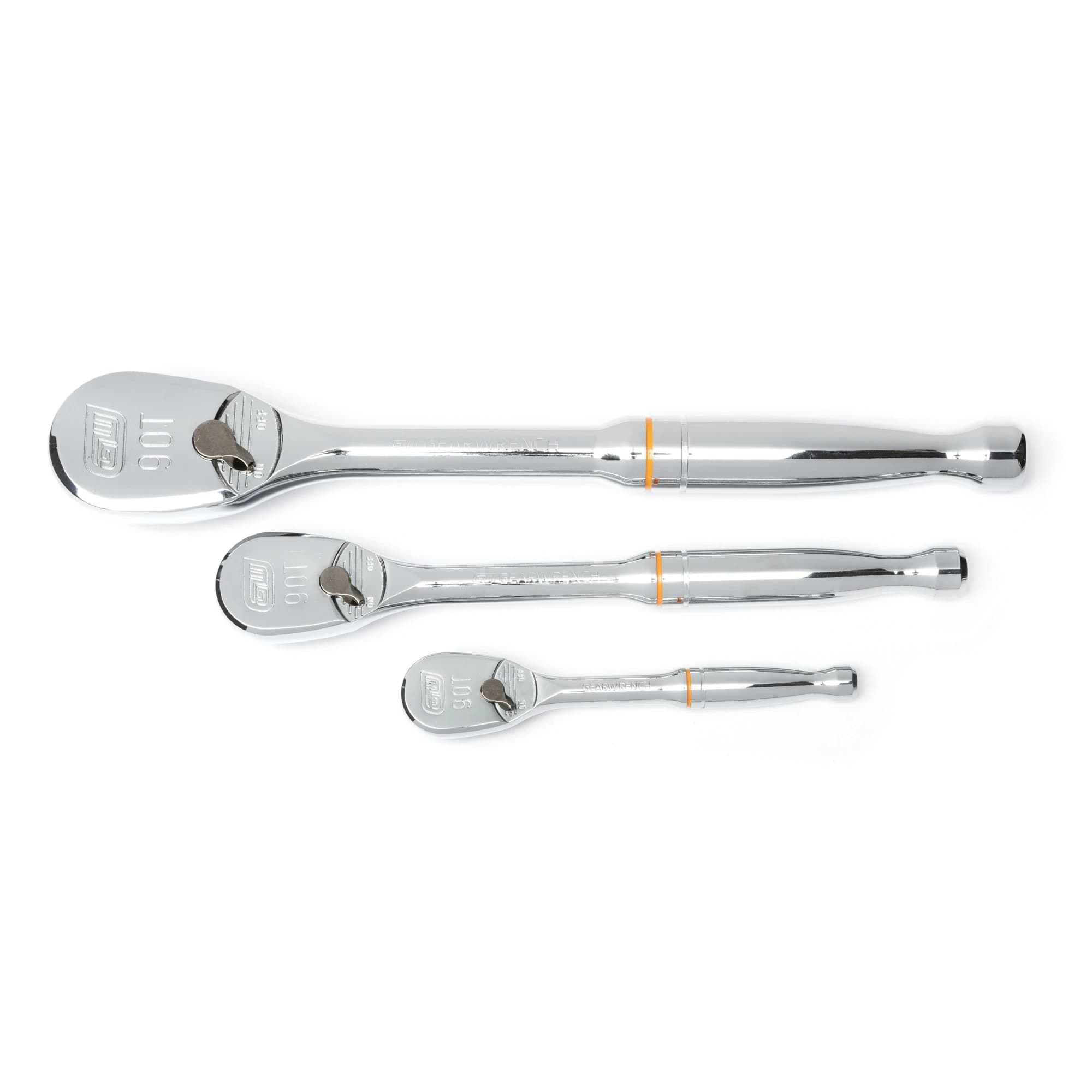
This three-ratchet set provides 1/4-, 3/8- and 1/2-inch drives with 90-tooth mechanisms and a 4-degree working arc. It is a broad hand-ratchet foundation for an apprentice kit, while sockets and specialist access tools remain separate purchases.
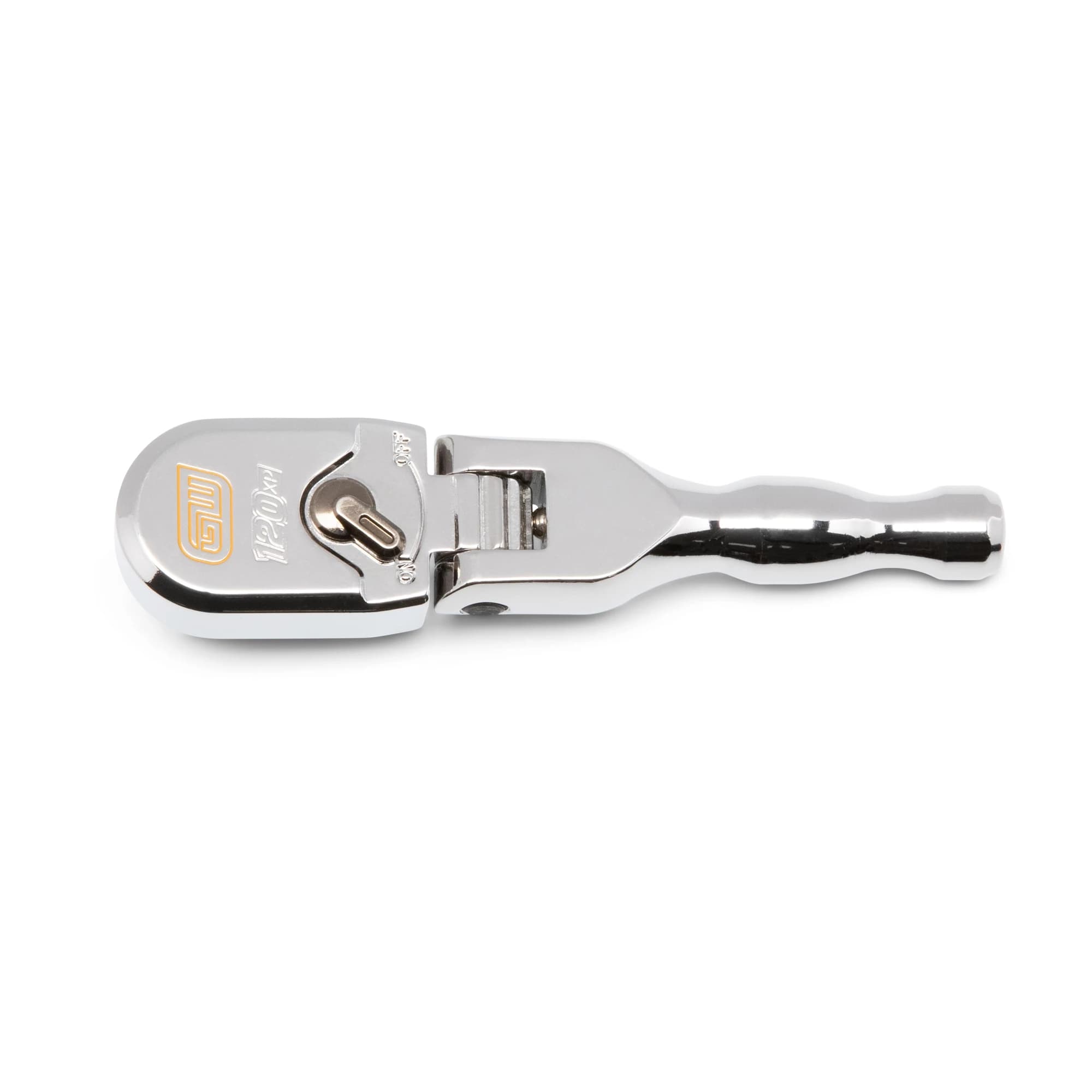
The 81212XP pairs a short 4.74-inch body with a flex head and 3-degree working arc for fasteners with limited handle clearance. Choose it for access around obstructions rather than leverage on heavily seized hardware.
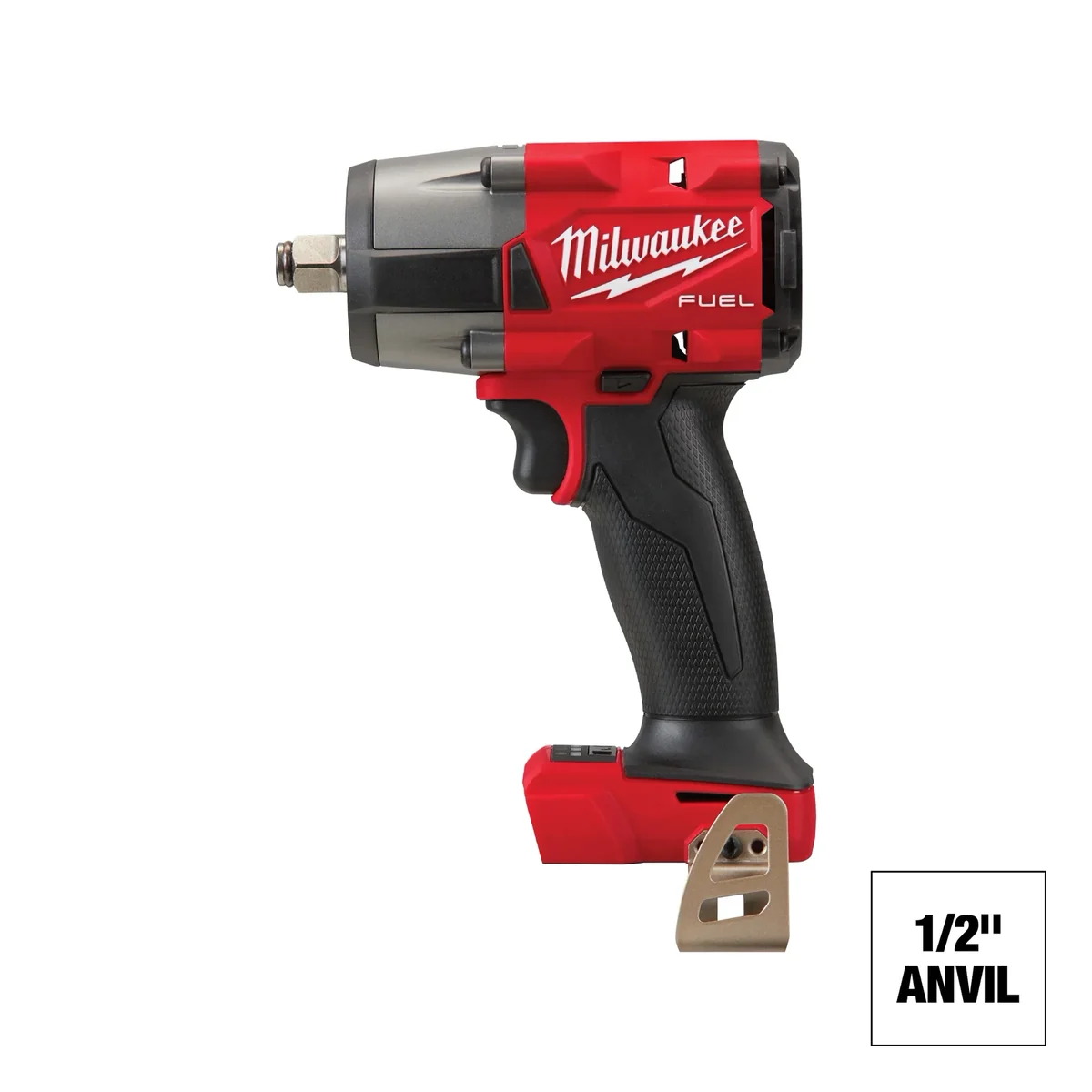
A cordless impact wrench for repeated removal and run-down of suitable vehicle fasteners. Budget separately for the battery system, impact-rated sockets and a torque wrench for final tightening.
Battery and charger are separate. Breakaway torque does not establish final fastener torque; finish with a calibrated torque wrench to the vehicle specification.
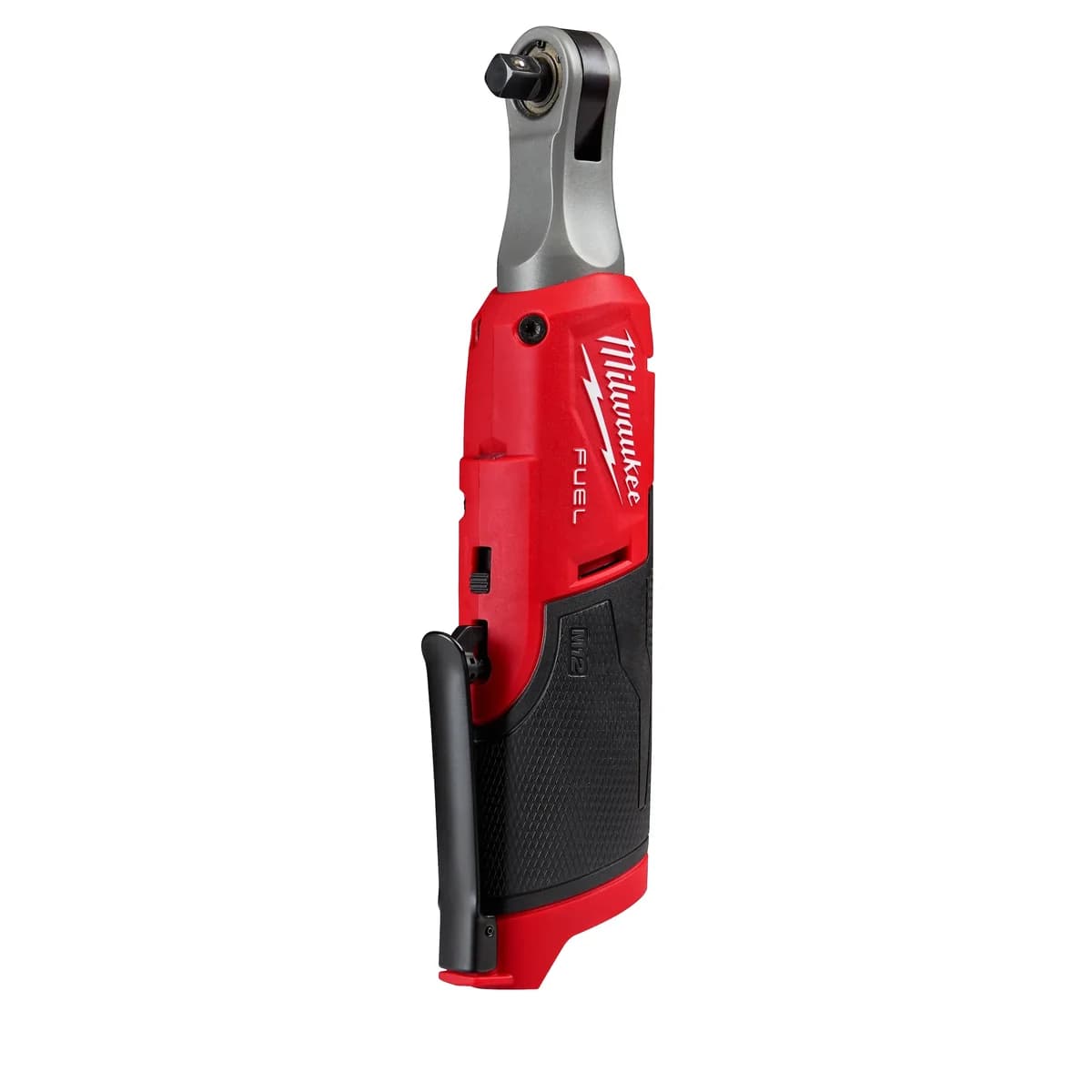
A cordless ratchet for turning accessible fasteners quickly once the job is set up. Its head clearance and battery system are more useful buying considerations than treating it as a substitute for an impact wrench.
Battery and charger are separate. Use the powered ratchet to run suitable fasteners, then use the specified manual or calibrated tool for final tightening.
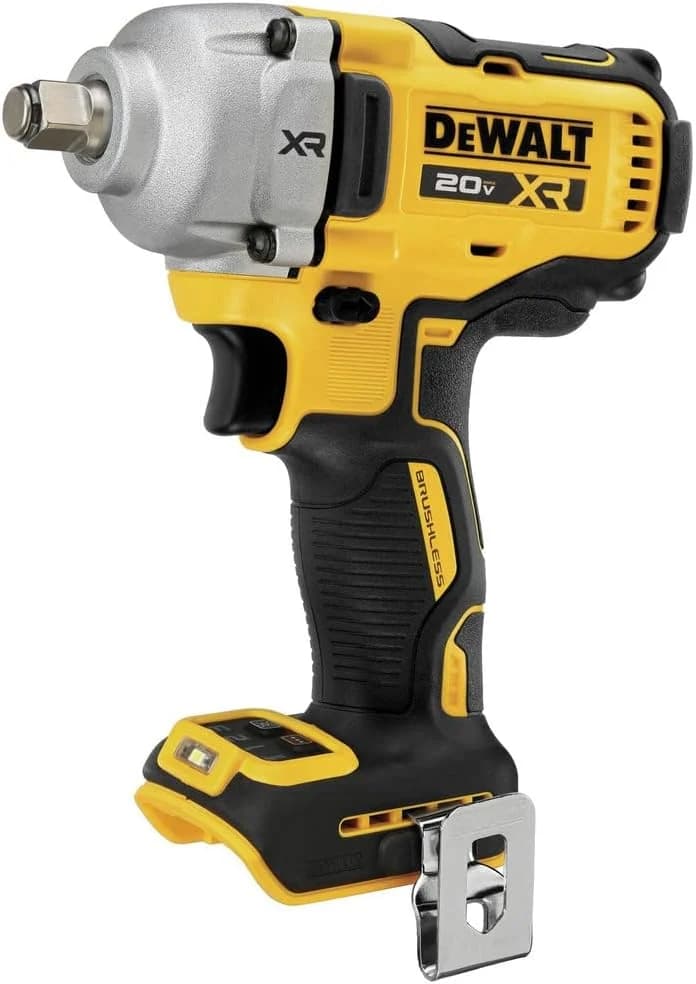
A DEWALT-platform alternative to the Milwaukee M18 mid-torque impact wrench for suitable removal and run-down work. Owning compatible batteries can matter more to the total purchase than a headline torque figure.
Choose the DCF891B hog-ring bare tool, not a detent-pin or battery-kit variant. Use impact-rated sockets and a calibrated torque wrench for specified final tightening.
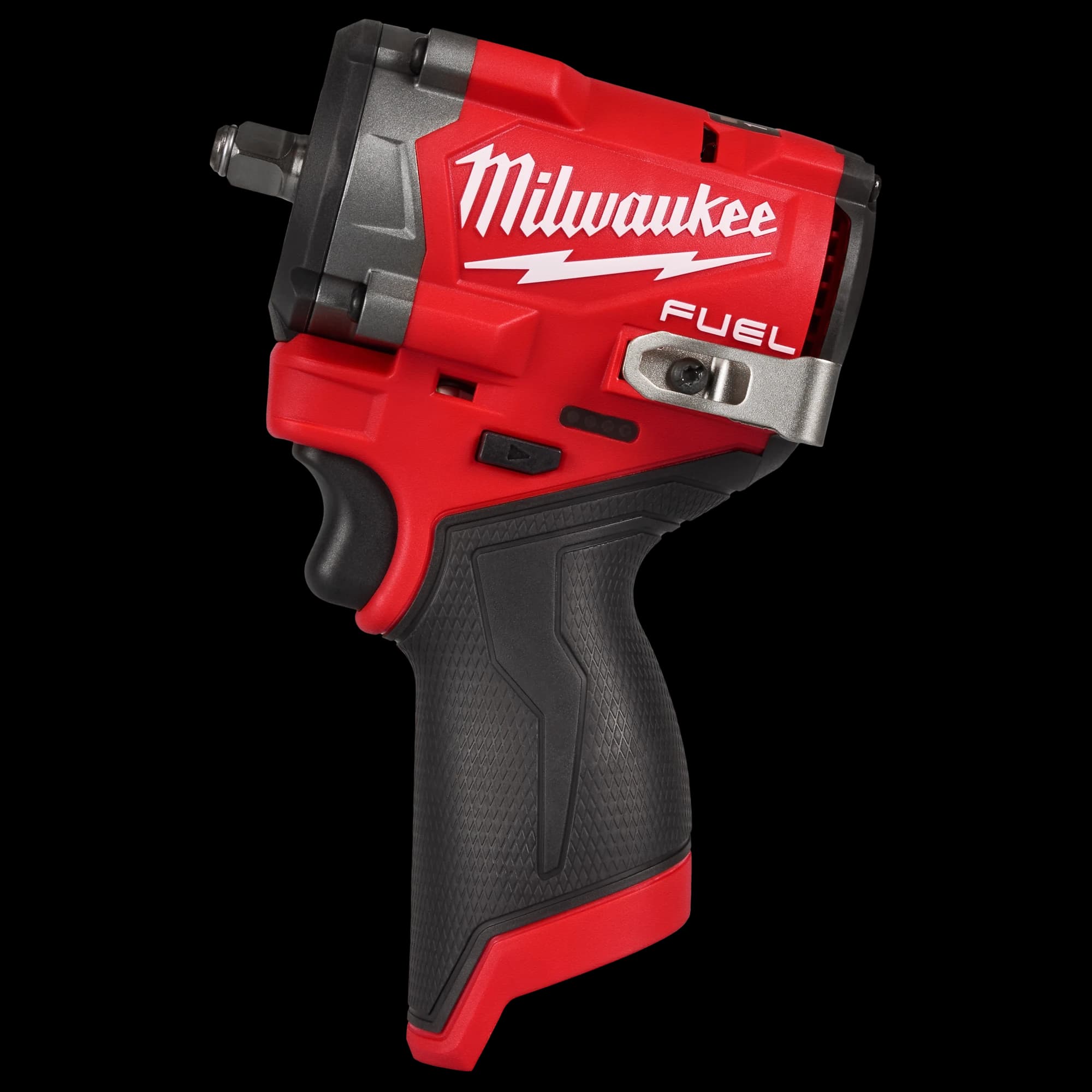
The second-generation M12 FUEL 2562-20 puts a 3/8-inch anvil and a claimed 550 ft-lb nut-busting output into a compact bare tool. It is an access-focused option for an existing M12 user; battery choice affects performance and final fastener tightening still requires a suitable torque wrench.
Newer generation; not 2554-20 or half-inch 2563-20
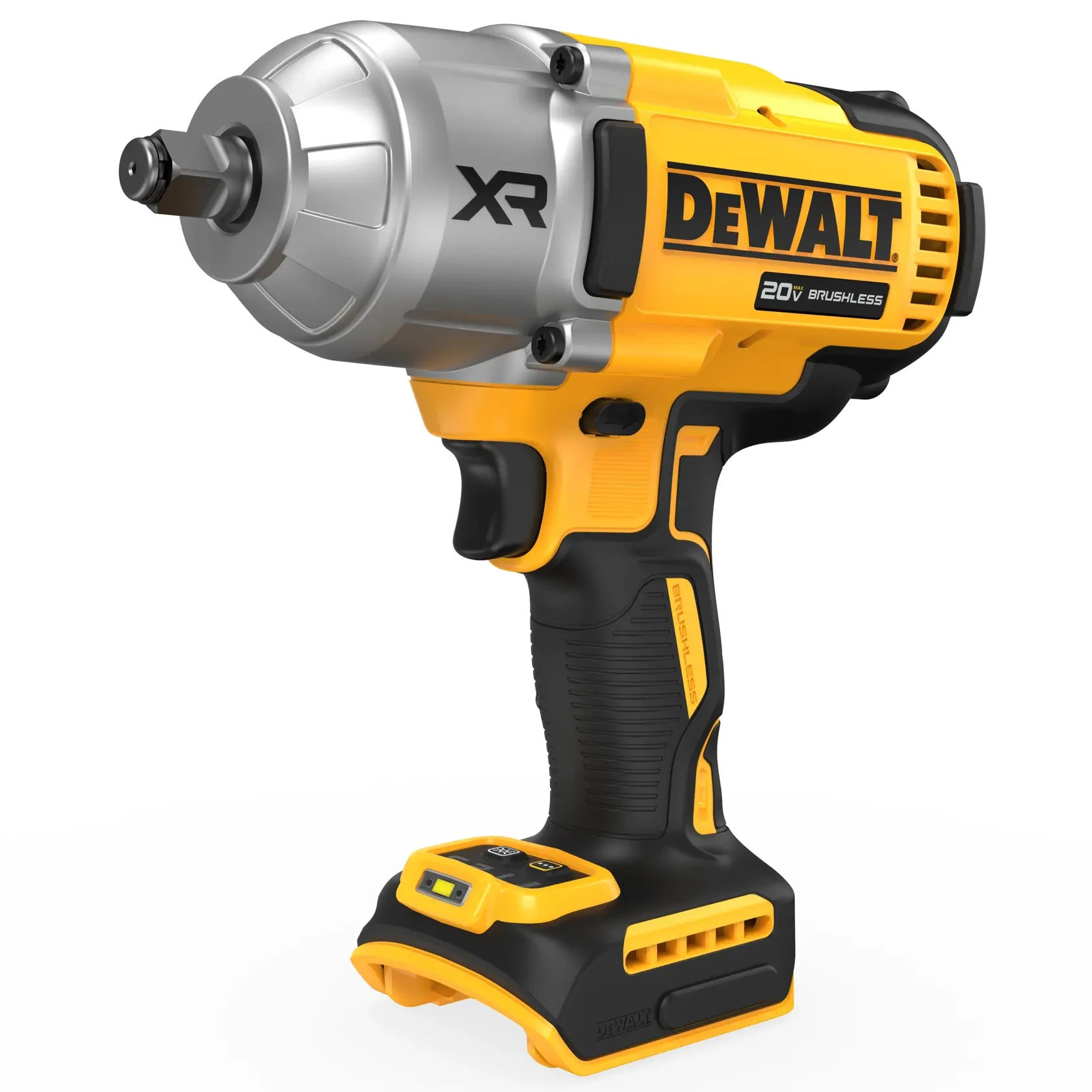
The DCF900B is a larger 1/2-inch hog-ring impact intended for demanding removal work, with separate fastening and breakaway claims. It makes sense for stubborn fasteners where its body fits, but its power and size are excessive for delicate or confined work and the bare tool includes no battery or charger.
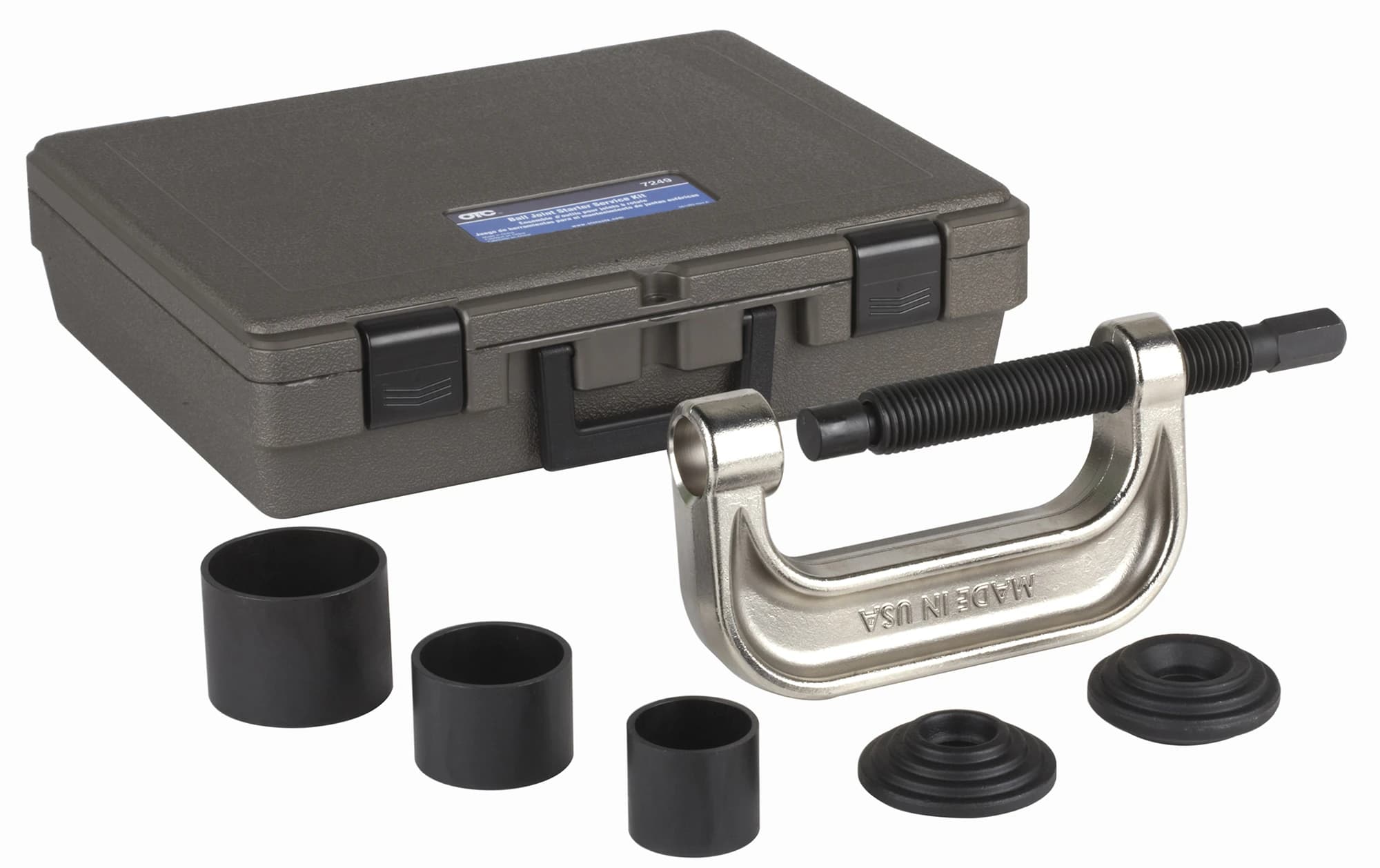
The 7249 starter kit combines a C-frame press with five adapters for compatible ball joints, U-joints and anchor pins. It is a mechanical pressing kit rather than a universal vehicle kit, so confirm the joint, receiving adapter and supporting surfaces before purchase.
Press and adapter compatibility; not a coil-spring compressor
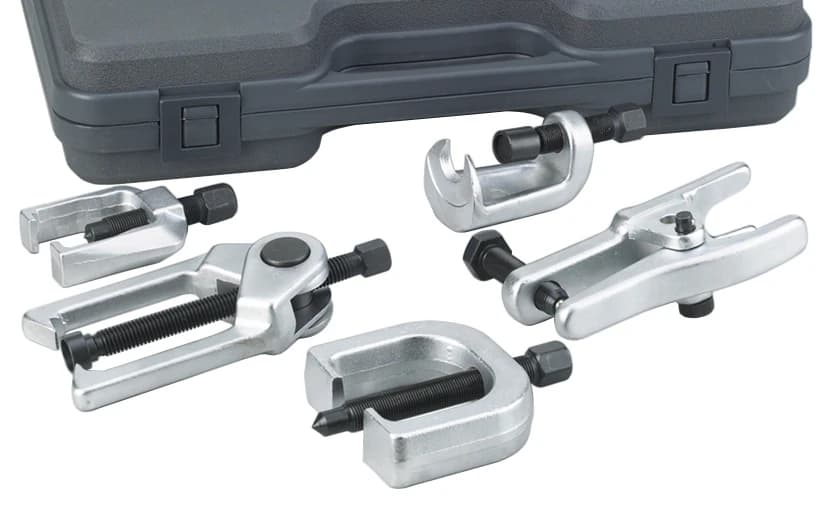
The 6295 gathers five pullers and separators for different front-end joints into one case. It offers wider task coverage than buying the 6297 alone, but the included 6297 would duplicate that standalone purchase and each tool still needs adequate clearance.
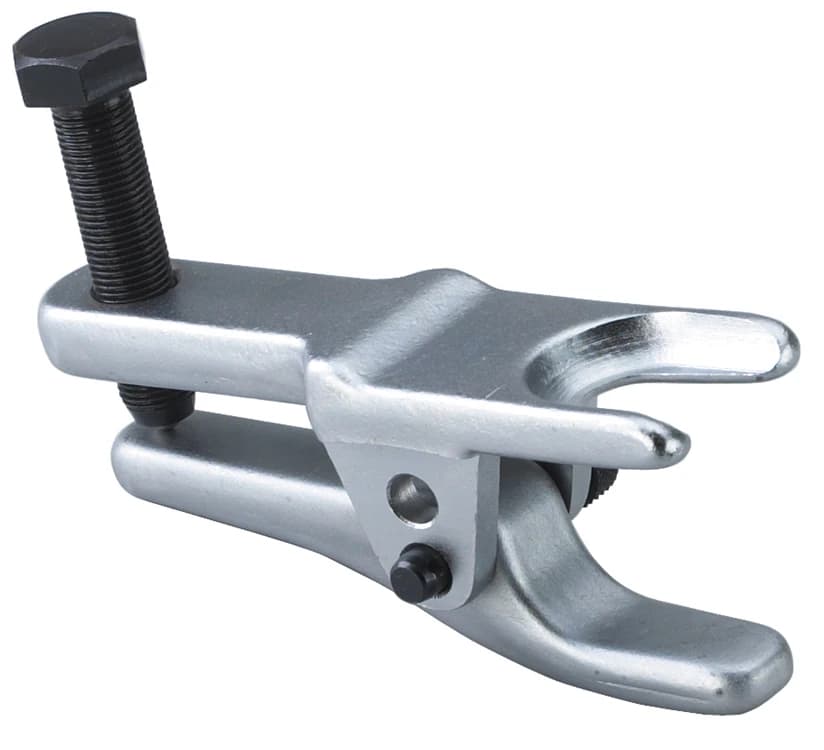
The adjustable 6297 separates a compatible ball joint from its spindle support arm using mechanical force. It is useful when only that operation is needed, rather than the entire 6295 set; jaw fit, boot clearance and vehicle procedure determine suitability.
Jaw opening and clearance; protect threads and boots
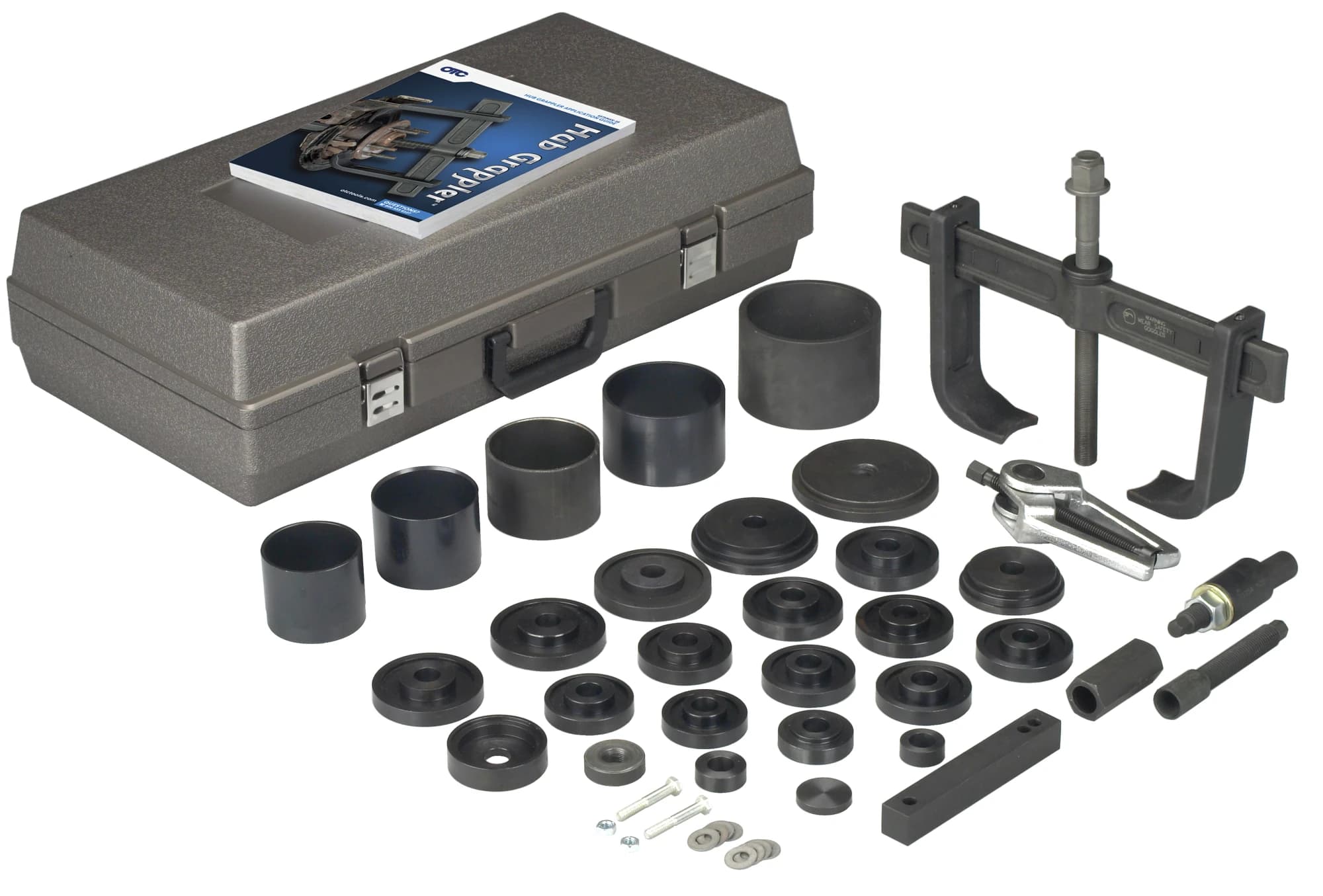
The Hub Grappler 6575 is a substantial hub-service investment with application adapters, a dedicated drive screw and additional installation tools. Its value is strongest for workshops doing compatible hub and bearing jobs repeatedly; check the application chart before assuming it covers a particular vehicle.
Vehicle/application chart and supplied adapters must match
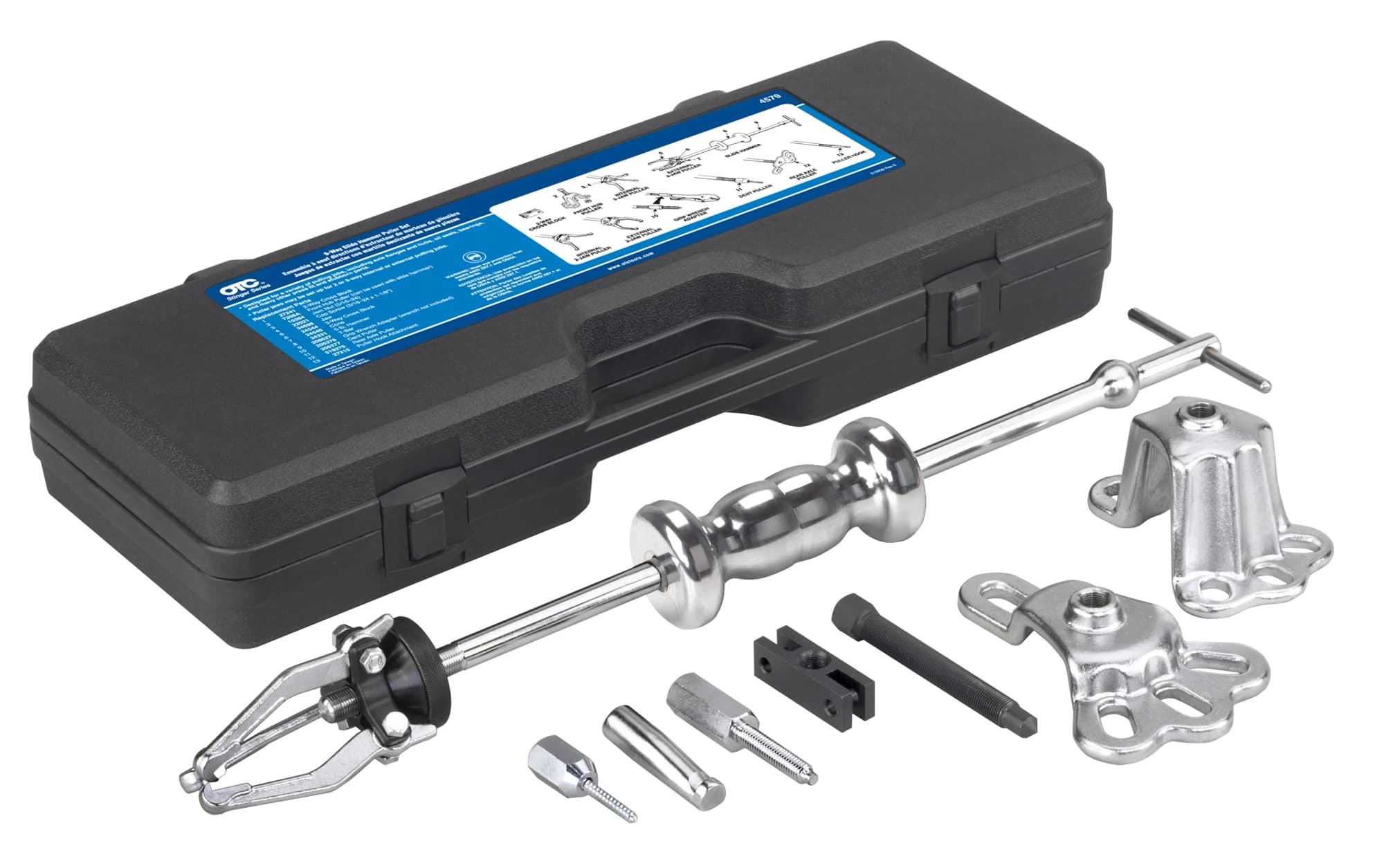
The 4579 combines a 5-pound slide hammer with internal and external pulling arrangements, hub and axle attachments, and a storage case. It provides several mechanical extraction options, but use it only where the component and service procedure permit slide-hammer loading.
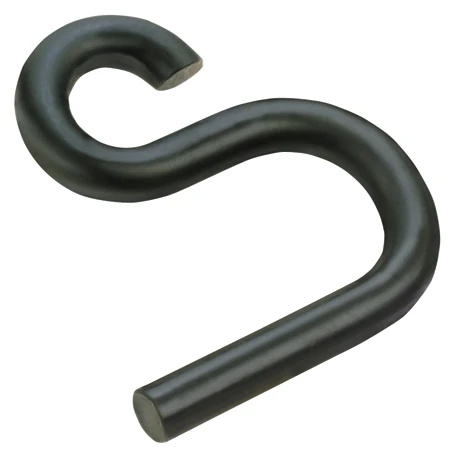
The 6007 attaches to a suitable 7/8-inch pry bar to help move a lower control arm during ball-joint work. It is a small supporting tool rather than a complete suspension kit, and the stored forces in the suspension must be managed through the vehicle's procedure.
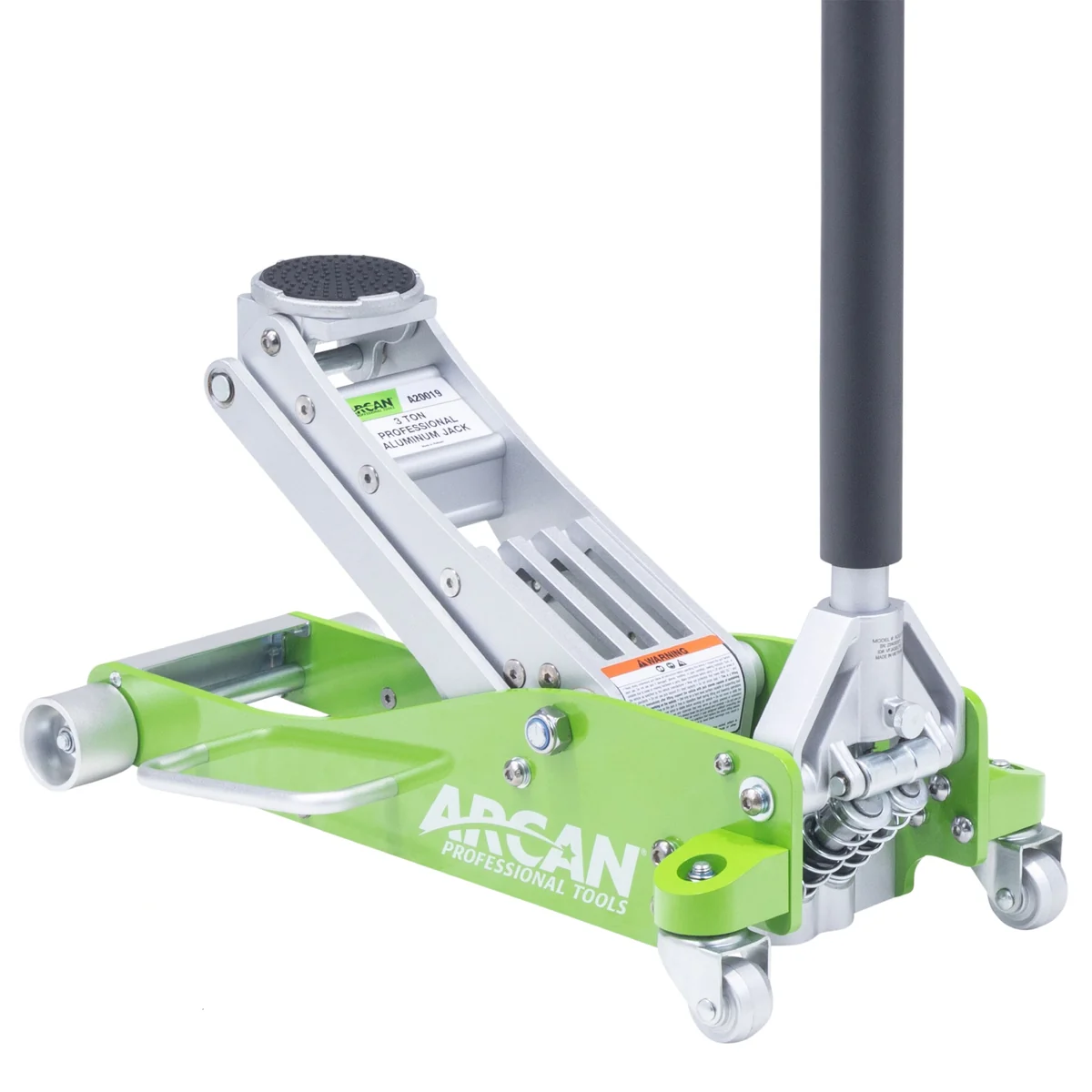
An aluminium floor jack for raising a vehicle at its approved lifting points before suitable supports are installed. The low-profile design is useful only where its entry height, reach and lift range fit the vehicle.
Use only on a suitable hard, level surface at approved lifting points. Immediately support the vehicle with appropriately selected stands; never work underneath a vehicle supported only by this jack.
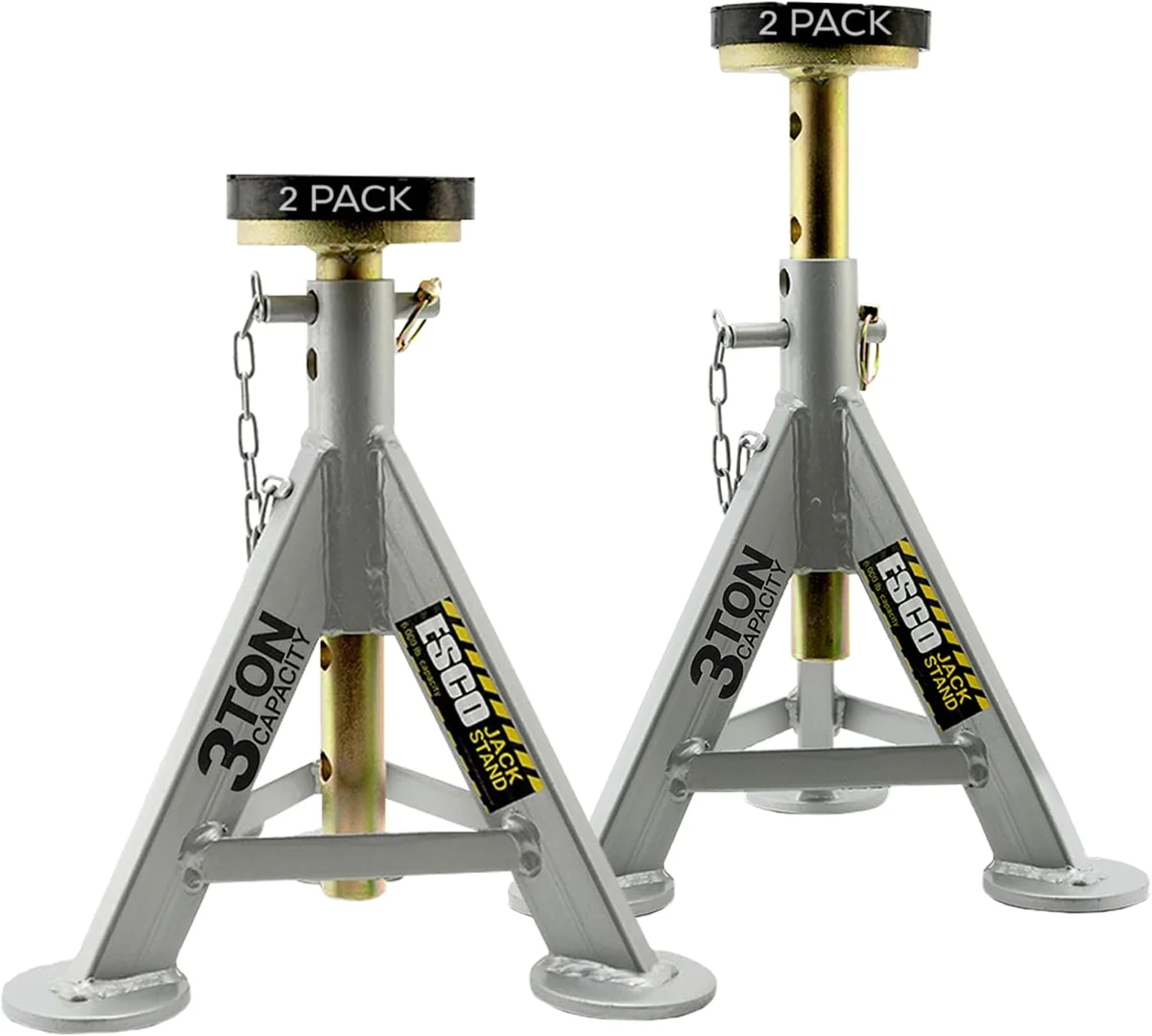
A pair of pin-adjusted jack stands for supporting a suitably raised vehicle at approved support locations. Check working height, saddle contact, ground conditions and the manufacturer’s capacity instructions together.
Manufacturer manual requires pair configuration for supporting a vehicle end. Do not turn the per-stand figure into an unrestricted six-ton vehicle recommendation. Match saddle and support point.
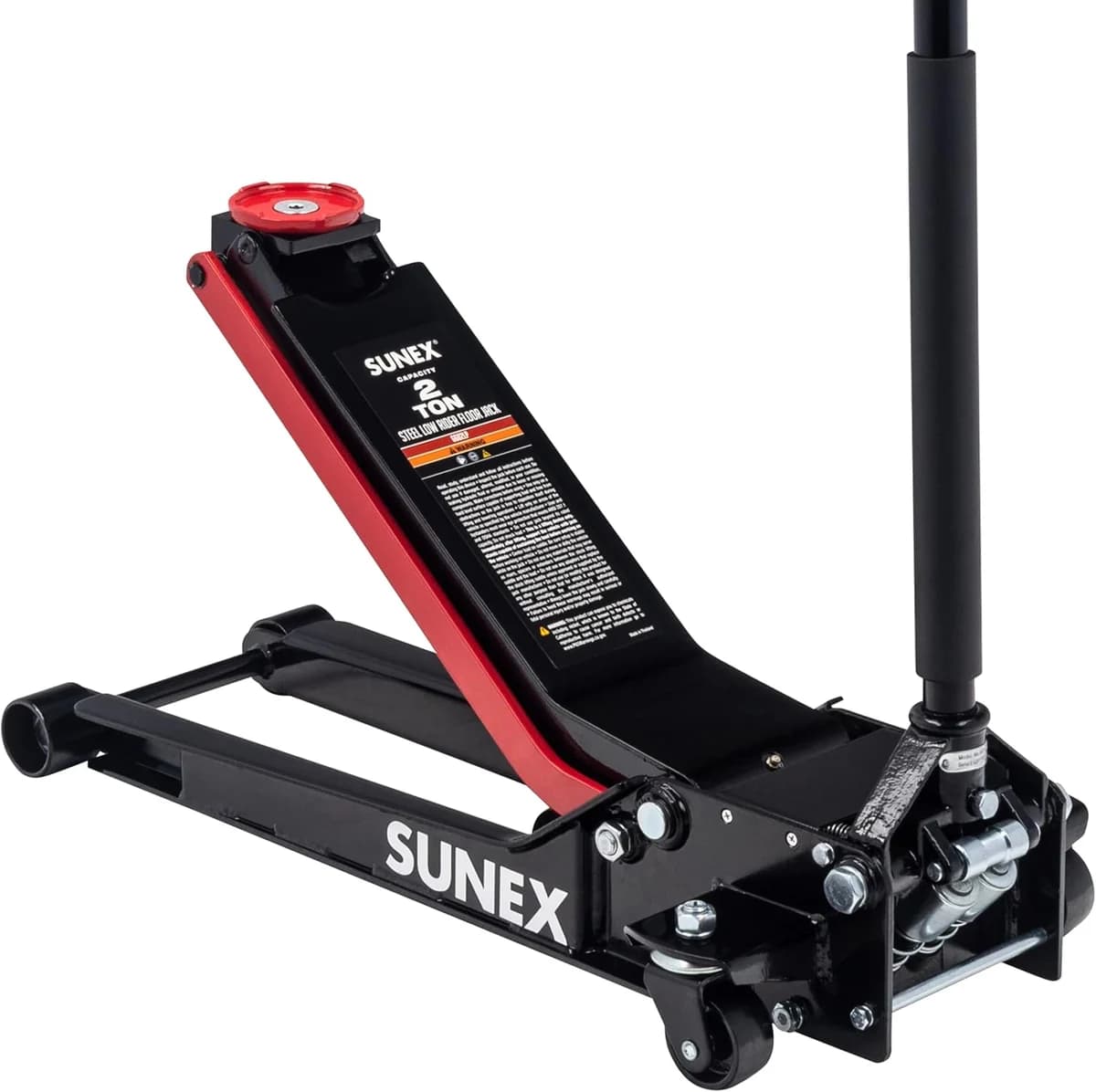
A low-entry steel jack for suitable vehicles where the Arcan’s entry height or lift range does not fit the lifting task. Compare chassis reach, lifting-point access and handling weight as well as capacity.
Use on a suitable hard, level surface at approved lifting points. Install correctly selected stands before working beneath a vehicle; a jack’s maximum height alone does not establish vehicle suitability.
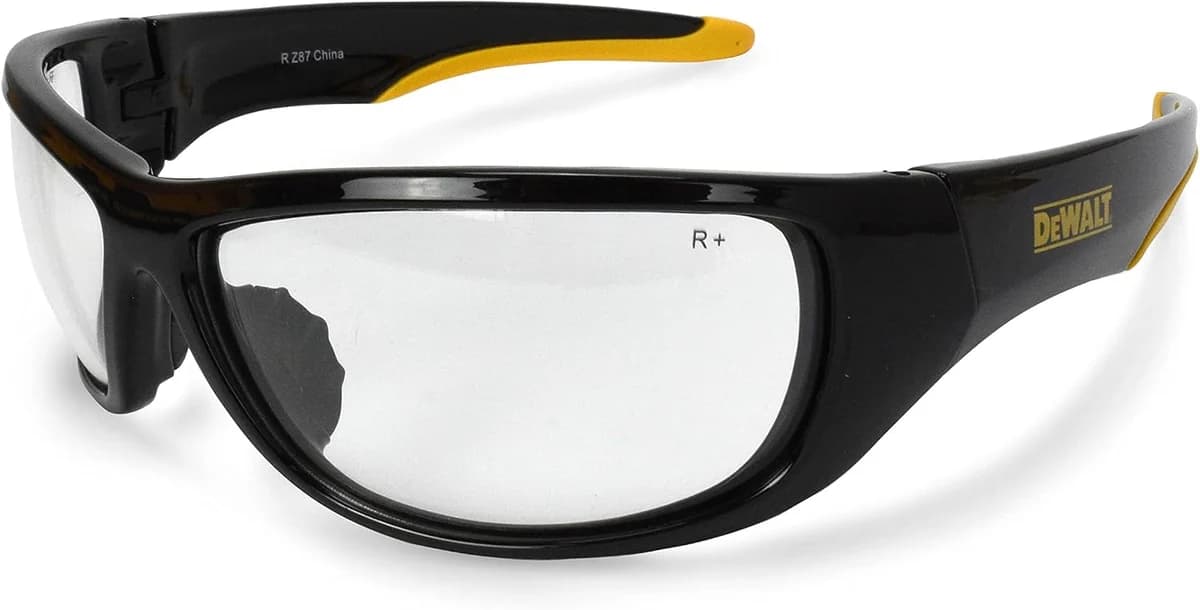
Clear-lens safety glasses for suitable indoor workshop tasks. They are the DPG94-1D industrial variant; the exact lens and model should be checked when ordering.
Clear lenses preserve visibility indoors. Match eye protection to the task; safety glasses alone do not cover every grinding, chemical-splash or face-protection requirement.
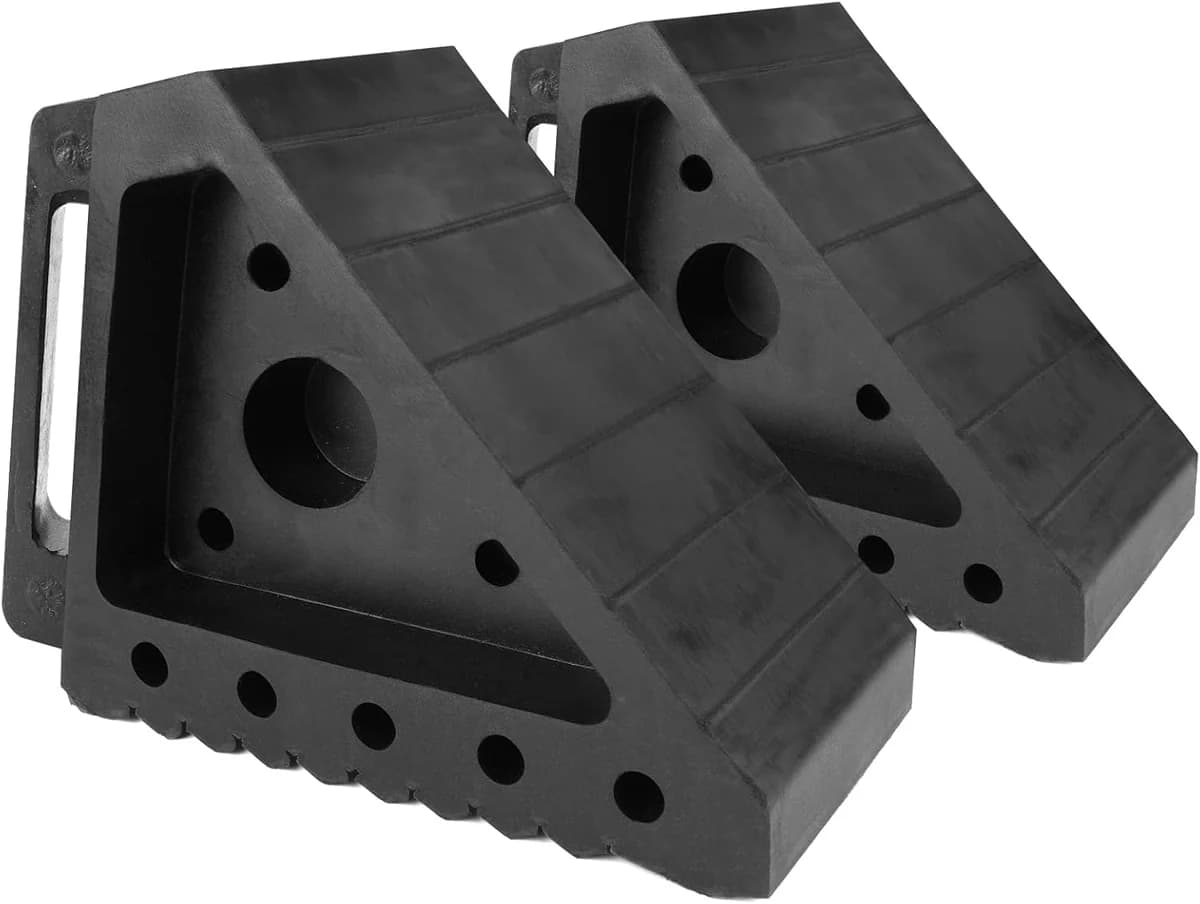
Rubber wheel chocks for helping restrain an appropriately parked vehicle during suitable workshop work. Match their size and use to the tyre, surface and equipment procedure.
Check the manufacturer’s instructions against the vehicle, surface and intended use. Wheel chocks complement suitable lifting and support equipment; they do not replace jack stands.
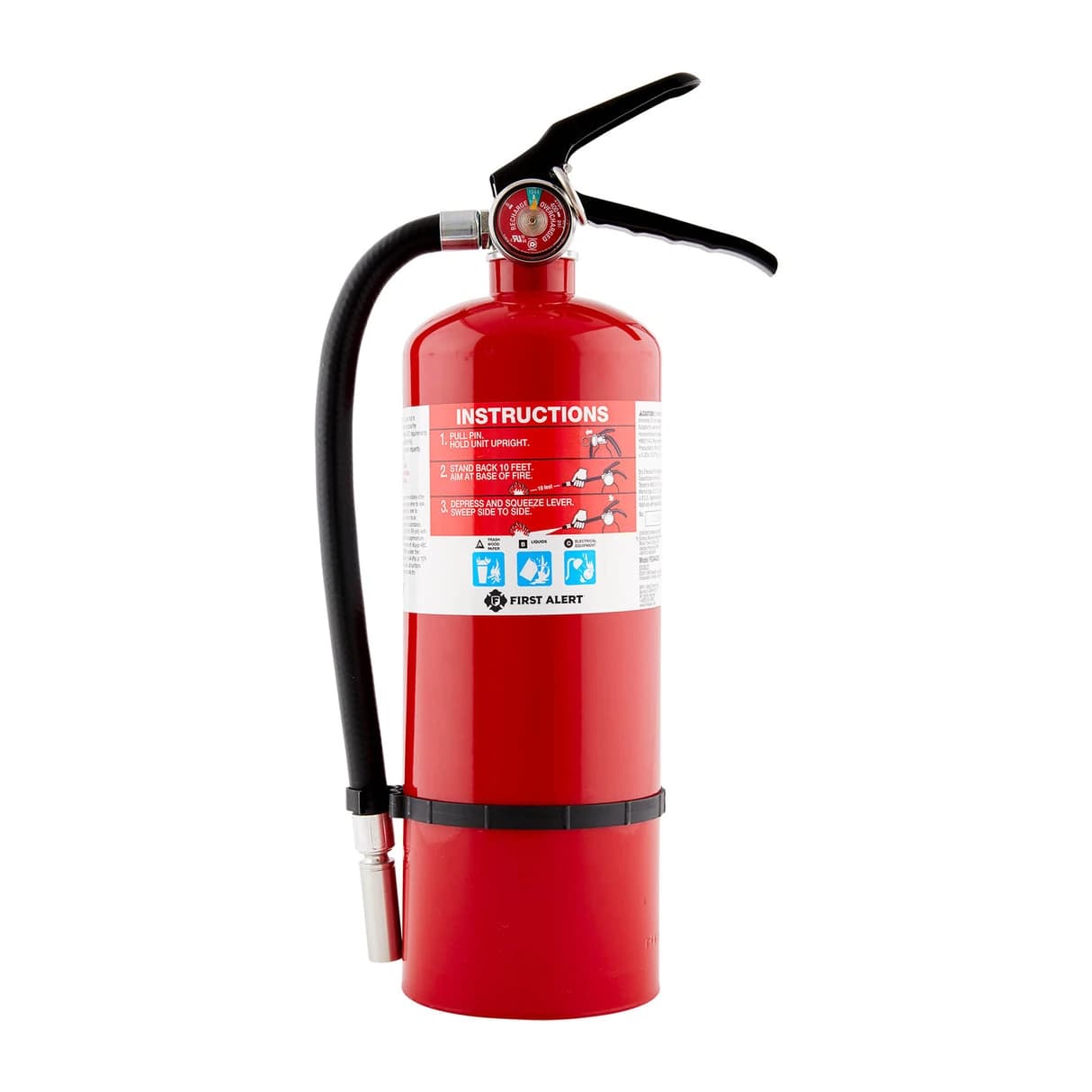
The PRO5 is a rechargeable dry-chemical extinguisher with a 3-A:40-B:C classification, identified by First Alert as FE3A40GR/SKU 1039896. Suitability depends on the workshop's assessed hazards, placement and servicing requirements; the product cannot substitute for an escape plan or trained use.
Exact current model rating recall check mounting and trained use