Carpenter Apprentice Tool Kit: What to Buy First and What Can Wait
Build an apprentice kit in the right order: employer-required hand tools, dependable layout basics and one suitable drill. Add cutting equipment when your actual responsibilities justify it.
8 practical picksOrganized around the workUS-focused
Build an apprentice kit in the right order: employer-required hand tools, dependable layout basics and one suitable drill. Add cutting equipment when your actual responsibilities justify it.
01
1. Get the employer’s list before shopping
Ask which personal tools you must provide, which saws and extractors the crew supplies, and which tasks you may carry out under supervision. A required tool belt, tape or hammer should take priority over a discounted power-tool bundle.
02
2. Learn accurate layout with a small hand kit
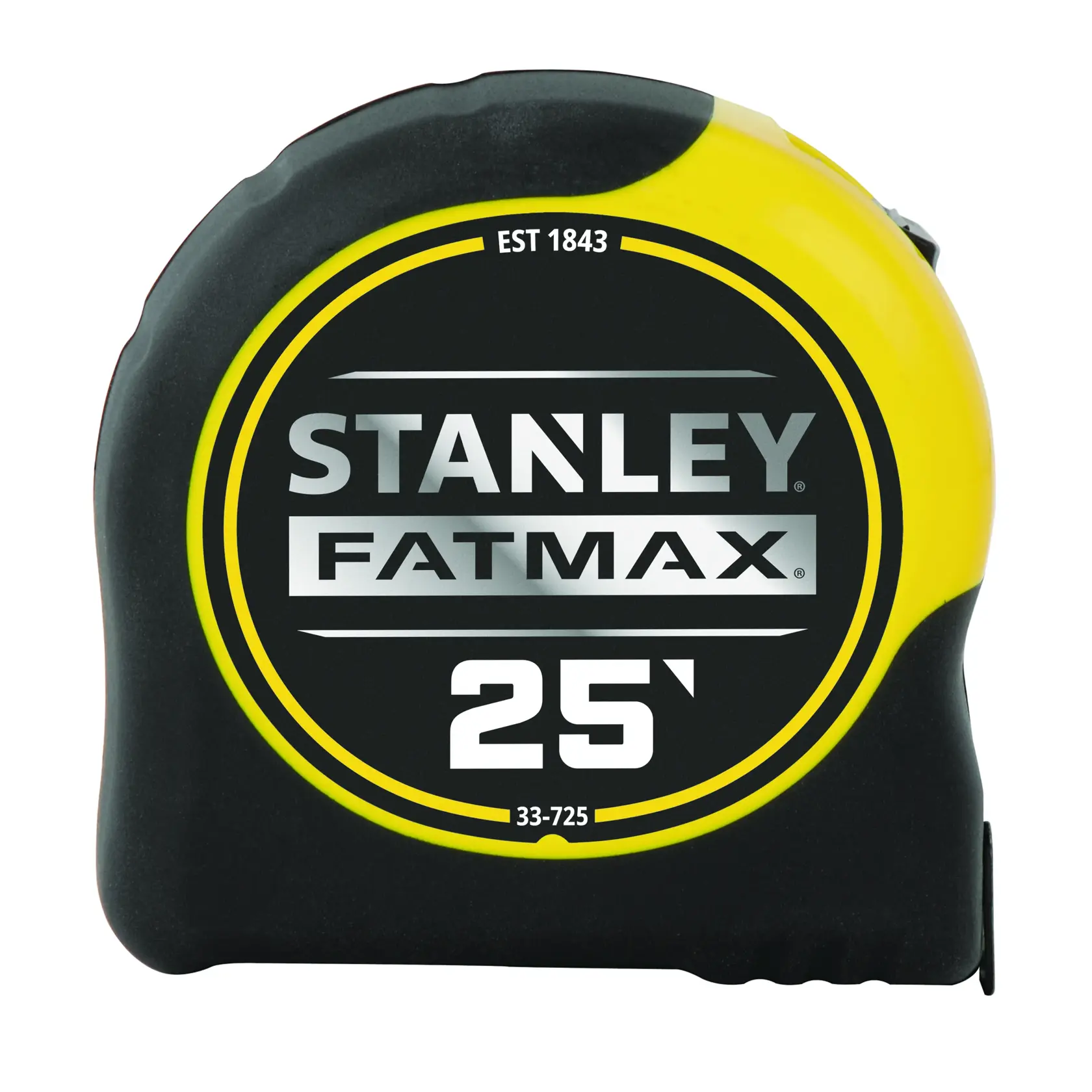
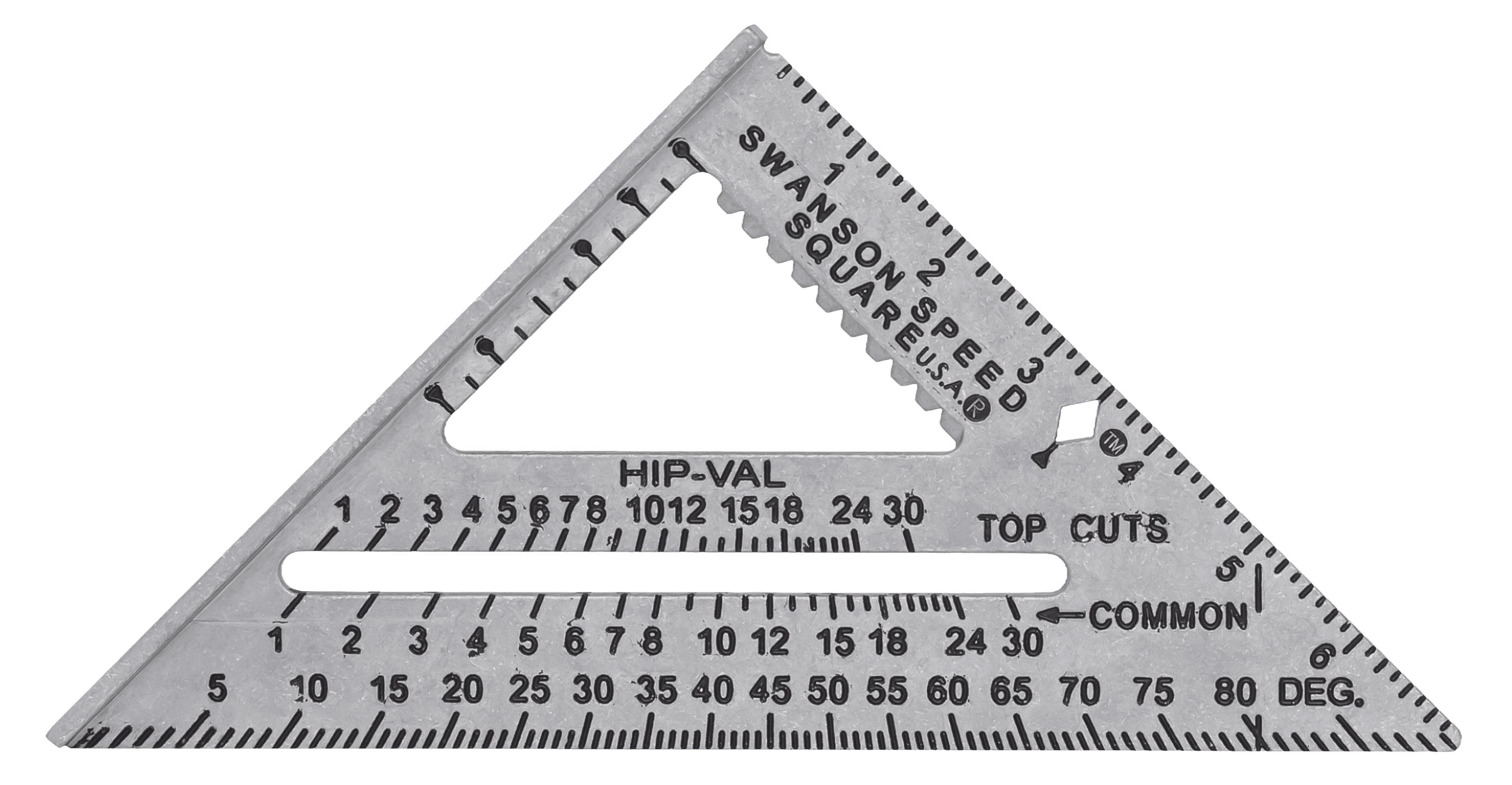
A readable tape, pencil, combination or rafter square, utility knife and appropriate hammer cover repeated daily tasks. Confirm the units used on the crew. Practice marking the waste side and checking against the same reference; an expensive saw will not correct an inconsistent measurement.
03
3. Add a drill that covers your first jobs
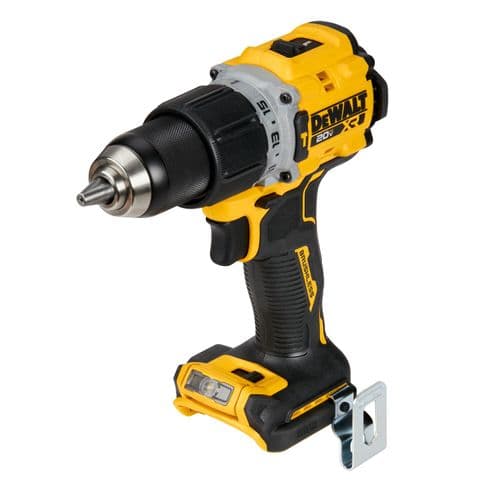
Choose a drill/driver for supported pilot holes and controlled assembly. Existing compatible batteries can determine the sensible platform. Start with appropriate bits and learn the clutch rather than buying solely by advertised torque.
04
4. Buy cutting tools for a demonstrated need
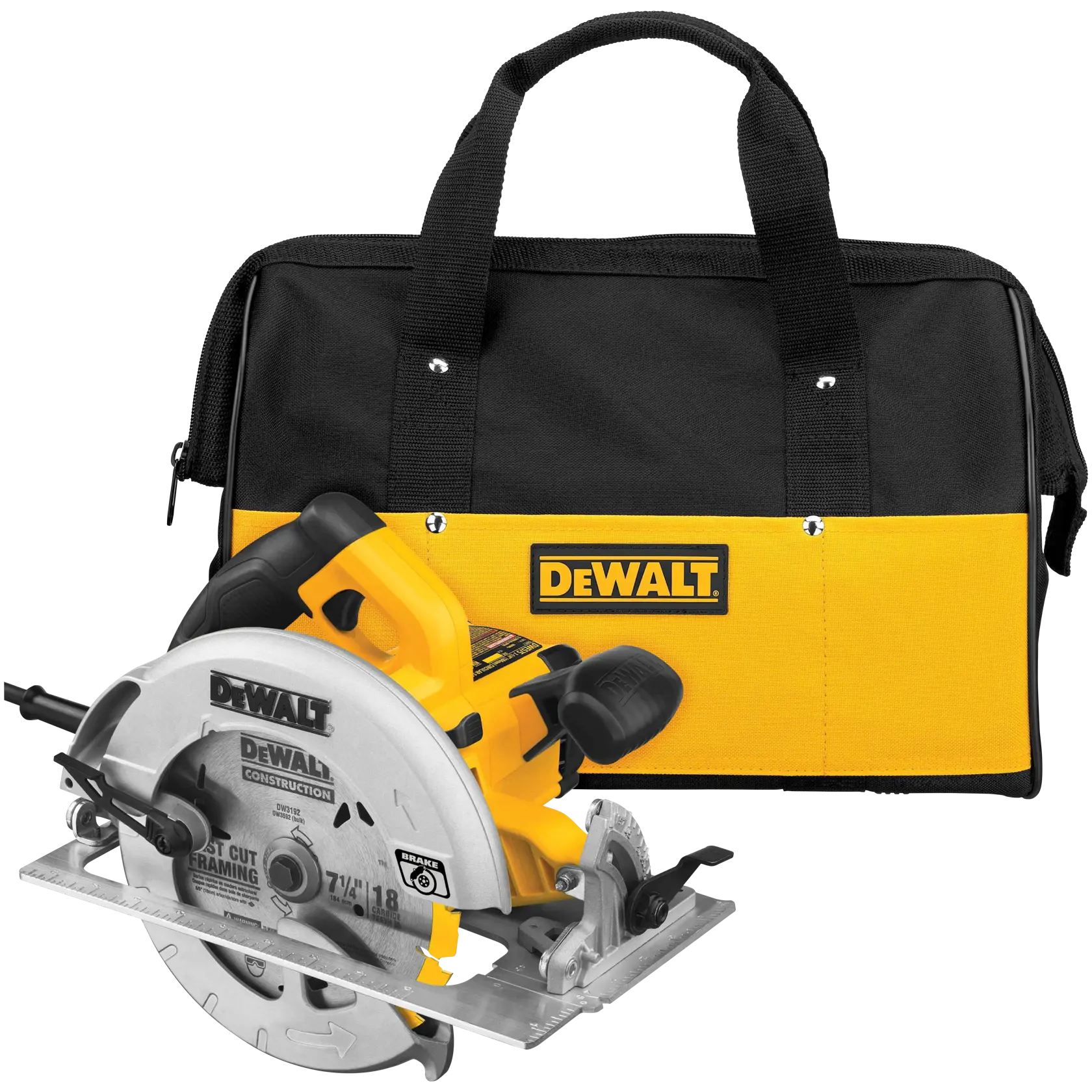
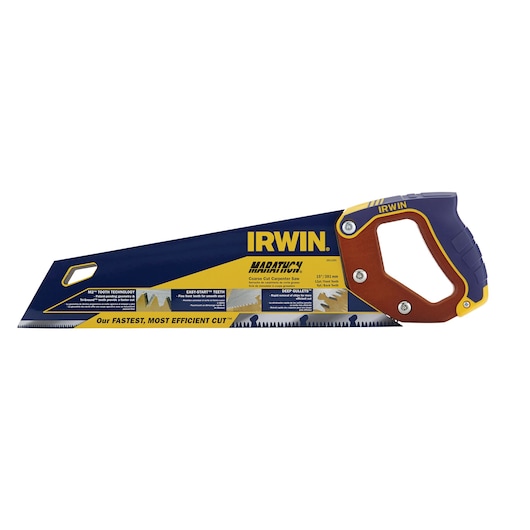
If the crew provides a cut station, a personal miter saw may wait. If you must cut sheet goods or framing stock, compare a suitable circular saw and safe work support. Include blades, power equipment and dust control in the purchase plan.
05
5. Review the kit after real site experience
Note which borrowed tools you repeatedly need and which tools remain unused. Upgrade to resolve a recurring limitation—capacity, access, portability or finish quality—rather than collecting a complete brand range.
SPEND WHERE IT HELPS THE JOB
A buying plan for your stage of the trade
Starting from zero
Buy the required hand tools and appropriate PPE first. Price one complete drill kit, useful bits and storage rather than a bare tool you cannot power. The two listed drills are alternatives; you do not need both.
Already own batteries
A compatible bare tool may avoid duplicating chargers and packs. Check the actual battery fits and is suitable for the tool; brand name alone does not establish compatibility.
What can wait
A large sliding miter saw, track saw and dedicated framing nailer can wait when the employer supplies them or you do not yet perform those tasks. Ask before turning your first wages into equipment that stays at home.
JOB TOOL KIT
The tools that earn their place in the bag.
These are organized by the part of the job they support. “Core” means we would prioritize it before the nice-to-have upgrades.
Research-based tool selection from manufacturer documentation. We have not hands-on tested these products. How we choose tools →
CorePilot holes and assembly
Drills & Assembly
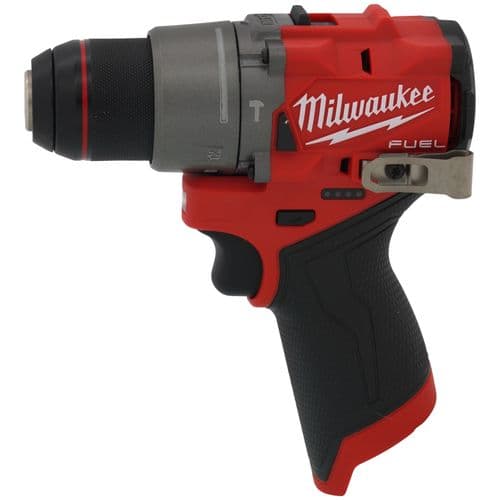
Milwaukee 3404-20 M12 FUEL Hammer Drill/Driver
A conventional compact M12 drill when its documented capacity covers the work and compatible batteries are already available.
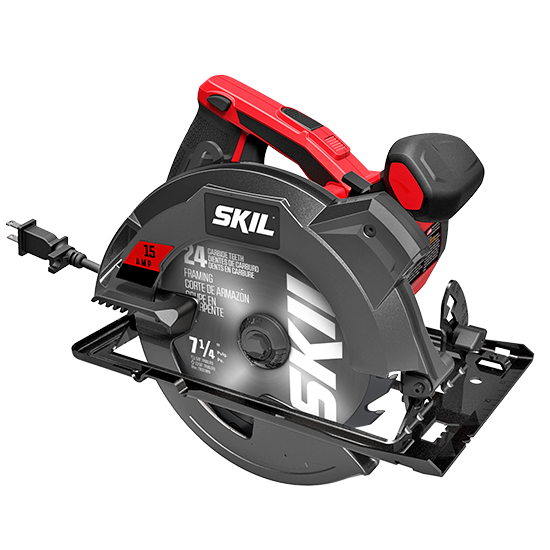
An entry-level corded circular-saw alternative for supervised occasional work; SKIL positions this model for DIY users, so assess whether it suits your workload before buying for daily production.
The first question is what lets you approach and verify the work safely, not which brand has the loudest launch campaign.
02
Reduce second trips
Tools earn a place when they remove guesswork, avoid a return to the van or help verify the repair before you leave.
03
Buy in the right order
Apprentices and working techs can see what is core, what is useful and what is an upgrade instead of buying everything at once.
SEARCH QUESTIONS
Questions about this kit
Do apprentices need a drill and an impact driver immediately?
Not automatically. A drill can handle suitable pilot holes and controlled driving. Add an impact driver when repeated approved fastening work justifies it; it does not replace every drill or hand screwdriver.
Will a basic tool last my first two years?
That cannot be promised from specifications. Choose for the actual workload, warranty, support and repair options. A basic tool can cover suitable starter tasks, but daily production can expose limitations sooner.
Is a cheap corded saw a false economy?
Not necessarily for occasional supported work with accessible power. Compare capability and total setup cost; a cordless saw also needs suitable batteries and charging.