1. List repeated cut requirements
Record stock dimensions, materials and common bevel or miter cuts. A tool selected for rare maximum capacity can be unnecessarily bulky for the daily work. Check capacity tables for the actual orientation.

Compare the whole cutting setup: machine, work support, blade, dust connection and power. Avoid paying for a new battery platform when a suitable existing or corded system covers the job.
Compare the whole cutting setup: machine, work support, blade, dust connection and power. Avoid paying for a new battery platform when a suitable existing or corded system covers the job.
Record stock dimensions, materials and common bevel or miter cuts. A tool selected for rare maximum capacity can be unnecessarily bulky for the daily work. Check capacity tables for the actual orientation.
Allow for machine travel, stock support, offcuts and a clear working area. A forward-rail or glide design can reduce rearward space, but long stock still needs support on both sides. Measure the complete station before ordering.
Check stand compatibility, clamps, blade specification, dust-port connection and suitable extraction. Supplied dust bags and stock blades may not meet every material or finish requirement. Include these items in the comparison.
A corded station needs suitable site power. A cordless circular saw needs the correct platform and a suitable battery, charging access and planned runtime. Bare-tool prices should only be compared directly when those items are already owned.
Standardize where compatibility helps, but keep capacity and task fit ahead of brand loyalty. A corded miter station and compatible cordless saw can be a coherent mixed setup without duplicating every tool.
Choose the smallest suitable machine, then fund reliable support and the right blade. A fixed saw may be sufficient; a slider is not a requirement for every carpenter.
Add a bare tool only after confirming compatible packs and performance requirements. A charger, spare battery and heavier recommended pack can change the practical cost and handling.
Pay for repeatable setup and usable space. A bigger saw can reduce the usefulness of a cramped bench; measure before buying, and compare transport demands if it must leave the workshop.
These are organized by the part of the job they support. “Core” means we would prioritize it before the nice-to-have upgrades.
Research-based tool selection from manufacturer documentation. We have not hands-on tested these products. How we choose tools →
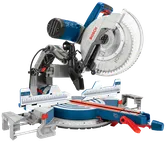
Miter Saws
Glide arrangement for a suitable permanent or semi-permanent station; account for transport weight and long-stock space.

Miter Saws
A 10-inch sliding station with forward rails; check its capacity against the same stock as the 12-inch options.
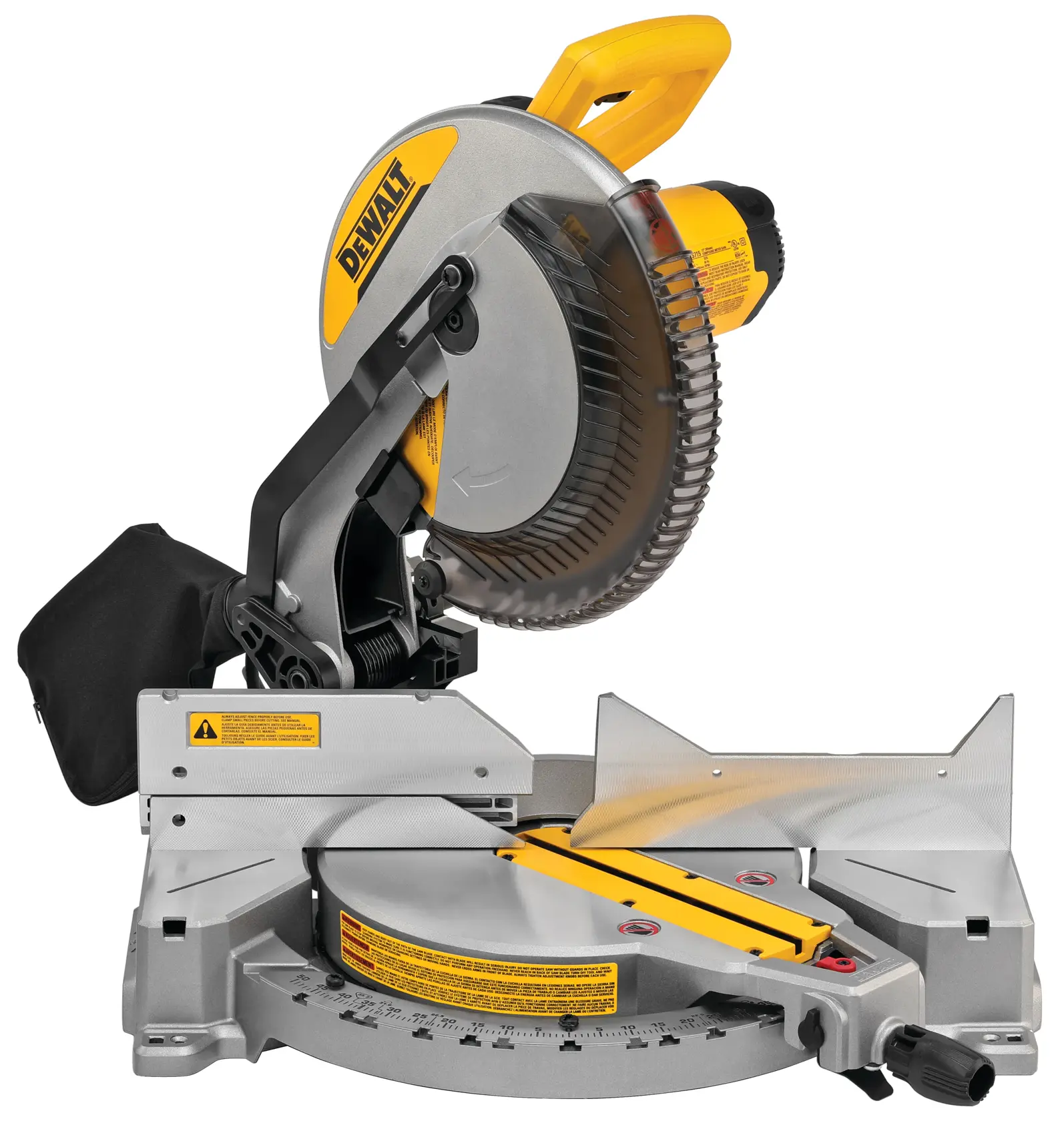
Miter Saws
A simpler fixed saw when all repeated cuts fit, leaving budget for support and extraction.
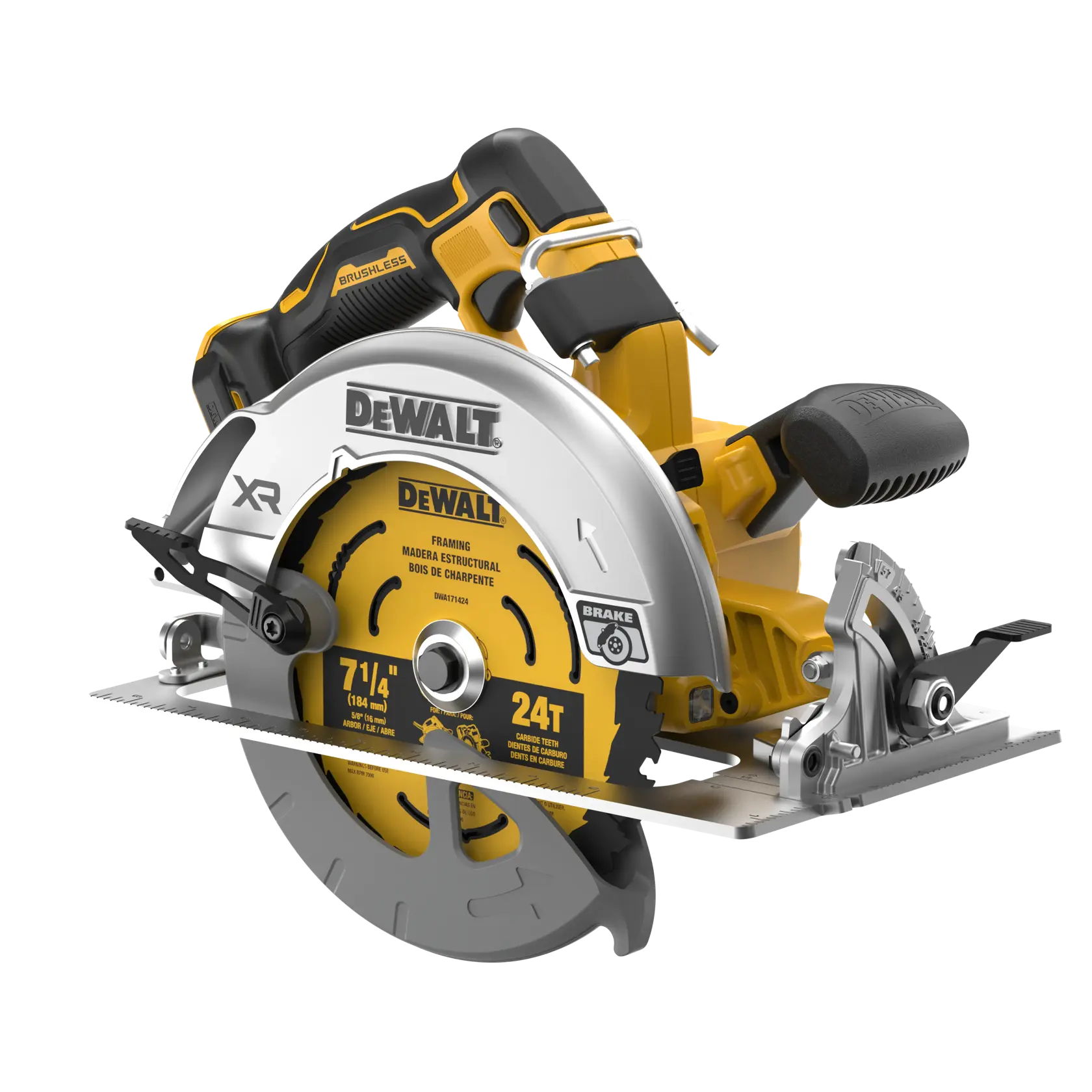
Circular Saws
A mobile saw for a suitable existing DeWalt power system; compare the actual battery package.
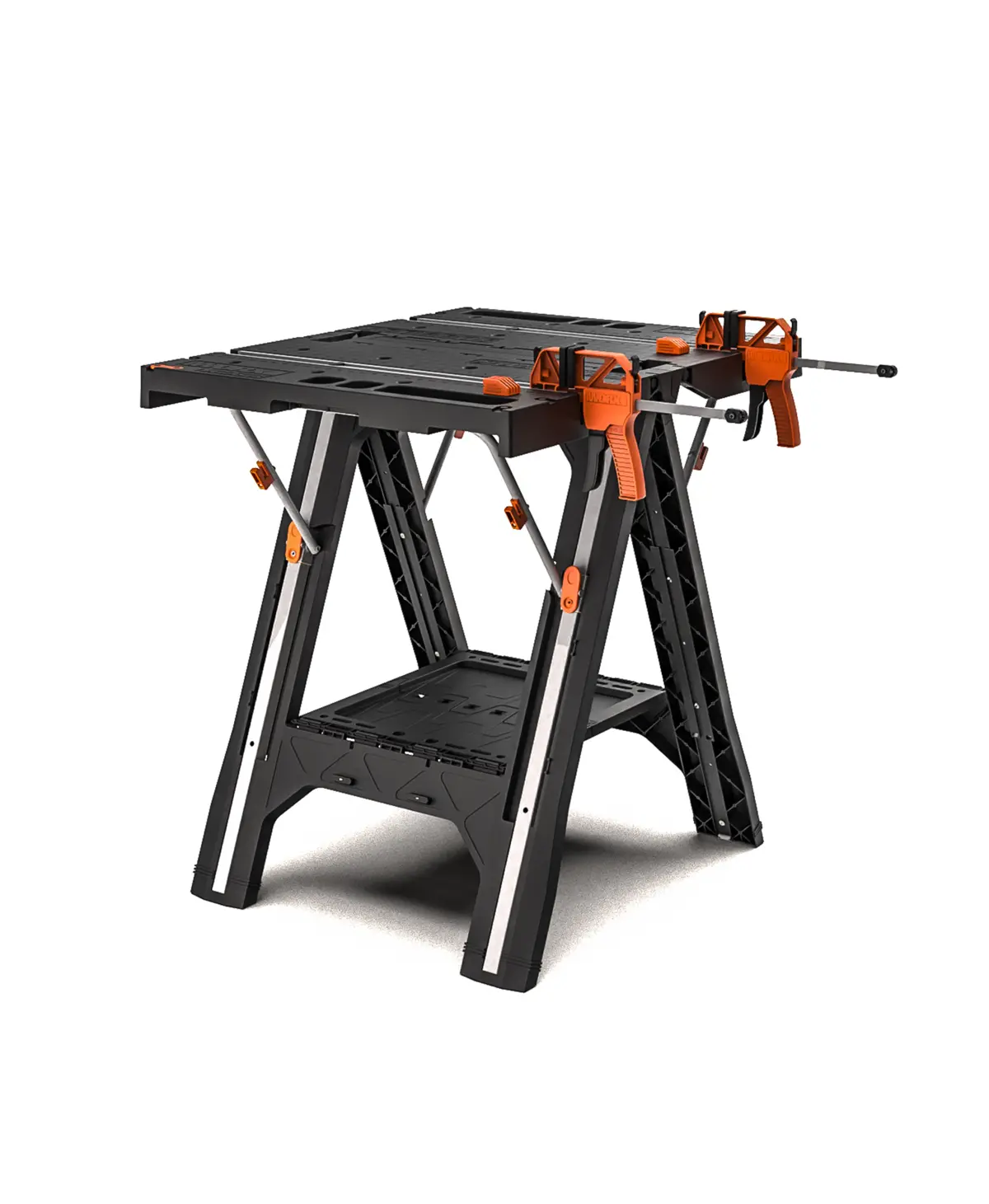
Benches & Work Supports
A folding clamping surface for suitable smaller work.
Benches & Work Supports
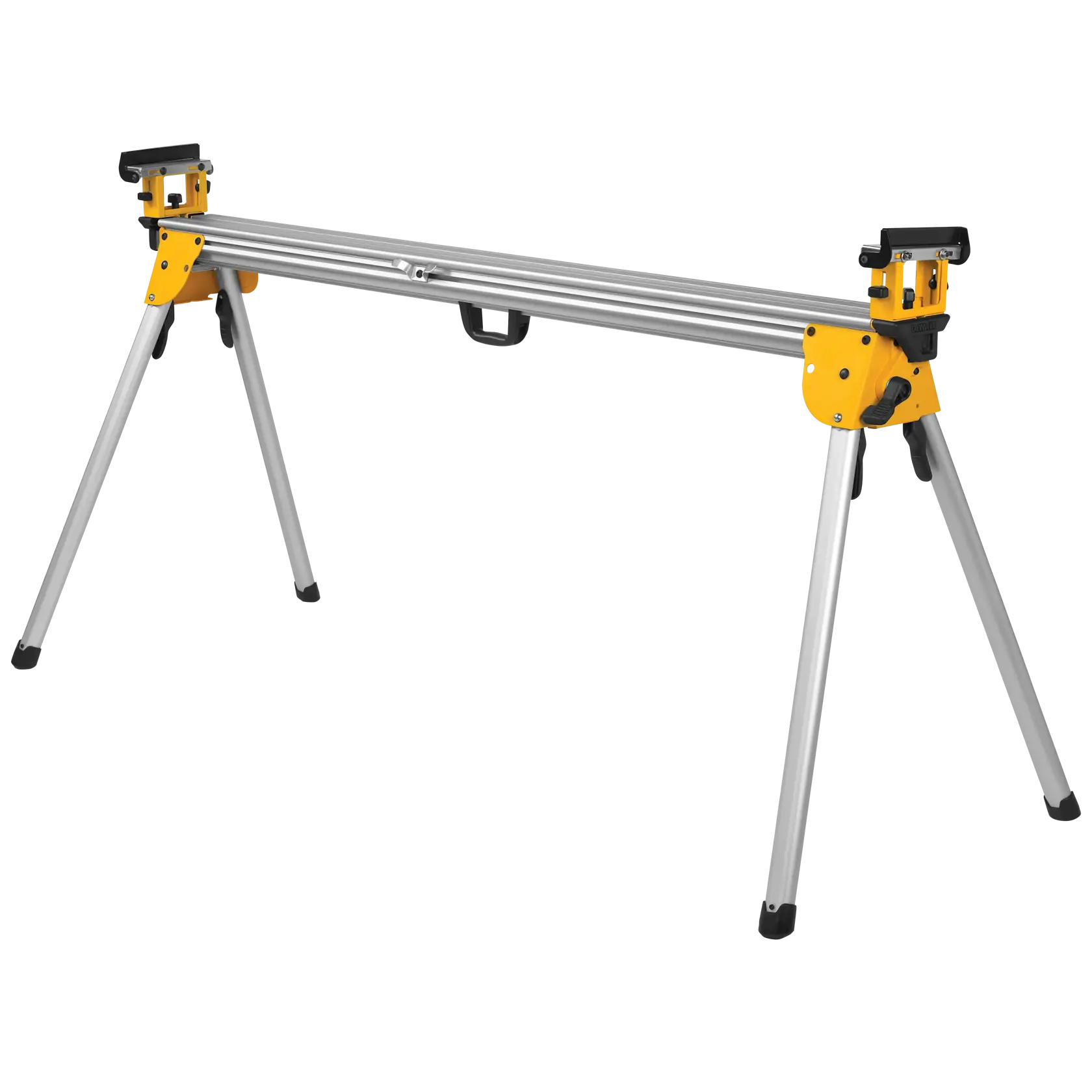
Carry-style compatible mounting and stock support.
Benches & Work Supports
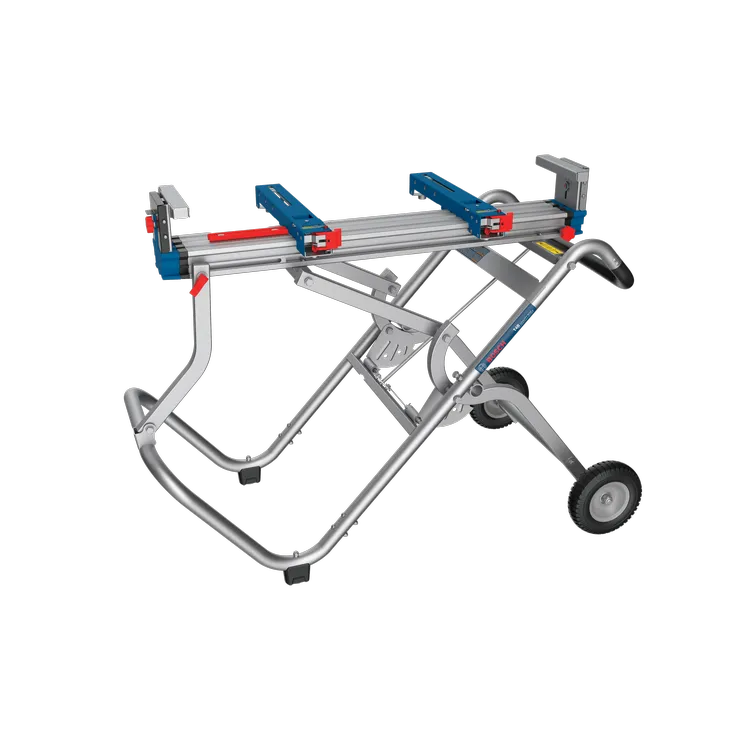
Rolling mounted-saw format; confirm current feet and package.
The first question is what lets you approach and verify the work safely, not which brand has the loudest launch campaign.
Tools earn a place when they remove guesswork, avoid a return to the van or help verify the repair before you leave.
Apprentices and working techs can see what is core, what is useful and what is an upgrade instead of buying everything at once.
Shared packs and chargers can simplify the kit, but only where the tools suit the jobs. Corded equipment may be a sensible part of the same system.
Not yet. Compare current retailer offers for the exact packages and add support, blades, dust equipment, batteries and chargers. A tailored toolkit builder is a later feature.