1. Confirm the system and layout
Read the drawings and decking-system instructions for supports, spacing, gaps and fixings. Moisture and material behavior affect details. Do not assume one layout or screw type suits both timber and composite boards.
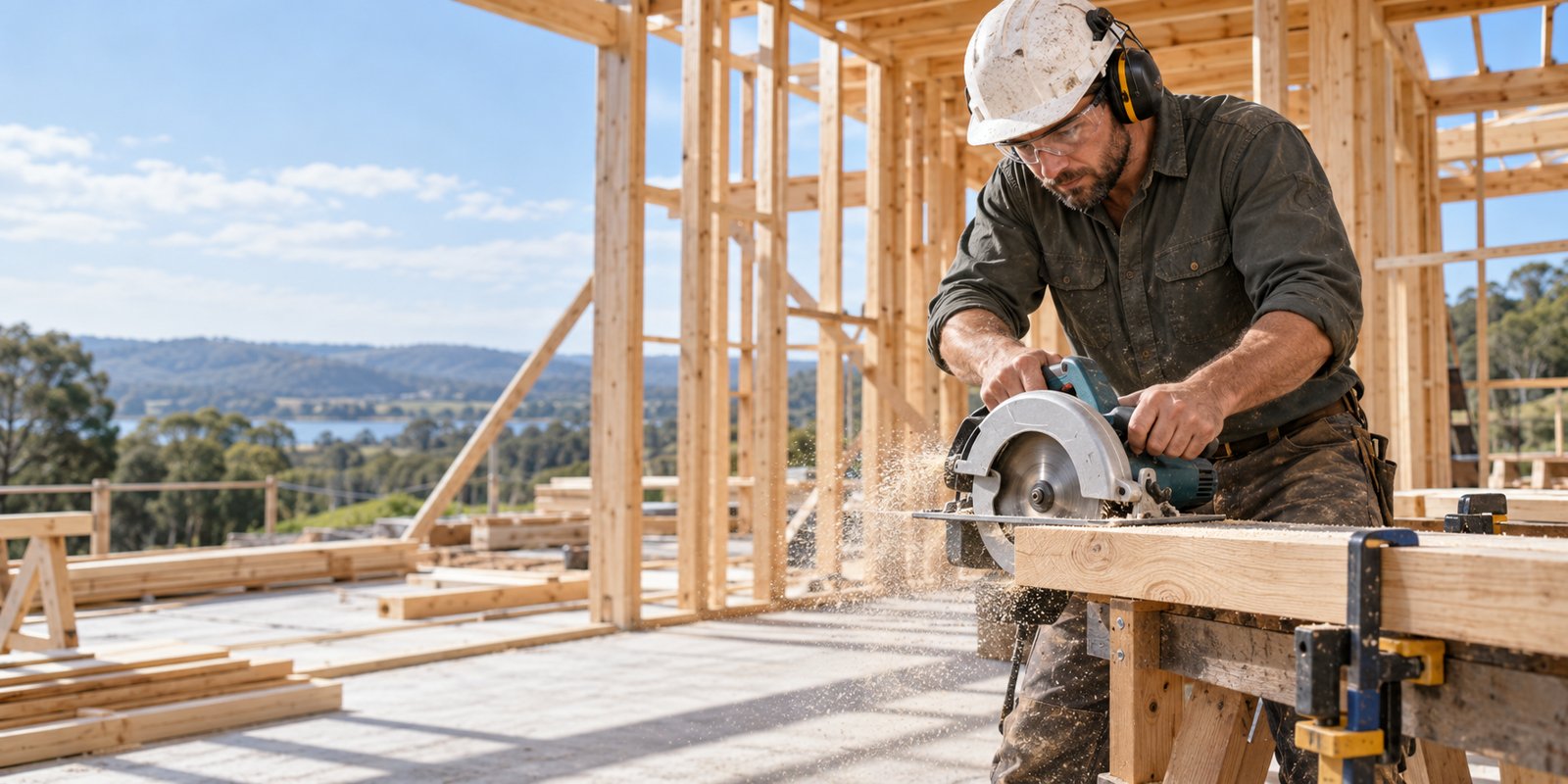
Choose decking tools for the actual timber or composite, repeated cuts and approved exterior fasteners. Keep structural work and decorative board fixing requirements separate.
Choose decking tools for the actual timber or composite, repeated cuts and approved exterior fasteners. Keep structural work and decorative board fixing requirements separate.
Read the drawings and decking-system instructions for supports, spacing, gaps and fixings. Moisture and material behavior affect details. Do not assume one layout or screw type suits both timber and composite boards.
Provide stable support, suitable weather protection and appropriate electrical supply. Check stock width and thickness against straight and angled capacity. Choose a blade permitted for the material and manage dust rather than relying on an open-air setting alone.
A miter station suits repeated crosscuts within capacity; a circular saw suits stock-side cutting and suitable trimming. Leave room to support long boards and handle offcuts without entering the cutting zone.
Use the specified drill bits, driver bits, predrilling and installation method. An impact driver may suit approved screws; concealed clips or delicate systems can require another approach. Confirm exterior corrosion compatibility rather than selecting by screw appearance.
Check the installed board arrangement, gaps and fixings against the system instructions. Record care requirements and inspect cutting or fixing damage before the job is handed over.
Use one suitable cutting setup and the specified fastening tools. A second saw station is optional when the first safely covers the job.
Battery ownership and charging logistics can justify cordless equipment. Include spare power, blades and weather-appropriate work support in the cost.
Save on unnecessary duplicate tools, not on the specified exterior fixings or support arrangement. A low fastener price can be poor value if it is incompatible with the system.
These are organized by the part of the job they support. “Core” means we would prioritize it before the nice-to-have upgrades.
Research-based tool selection from manufacturer documentation. We have not hands-on tested these products. How we choose tools →
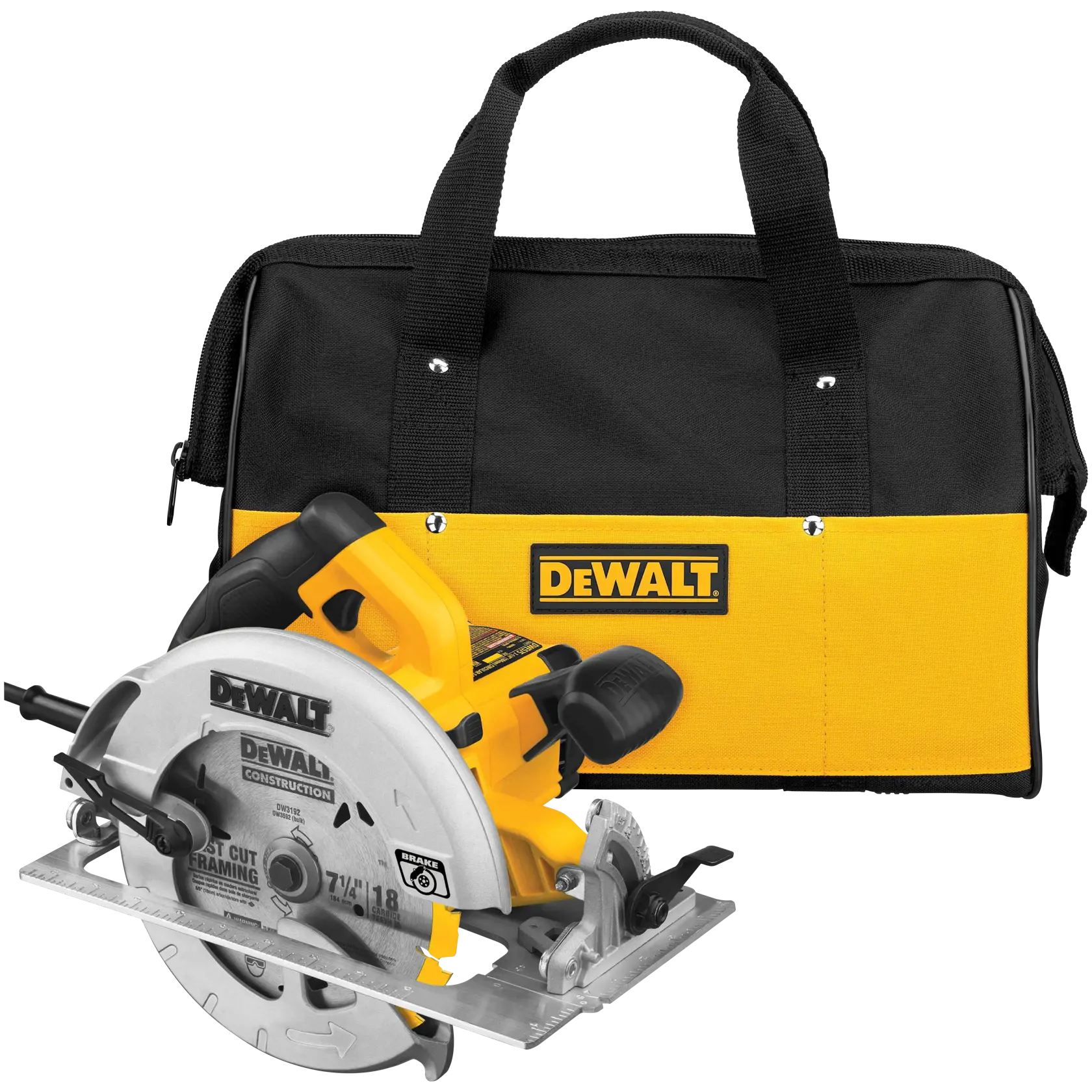
Circular Saws
A corded option where suitable site power and managed leads are available.
Circular Saws
M18 saw when compatible power equipment and outdoor logistics support the choice.
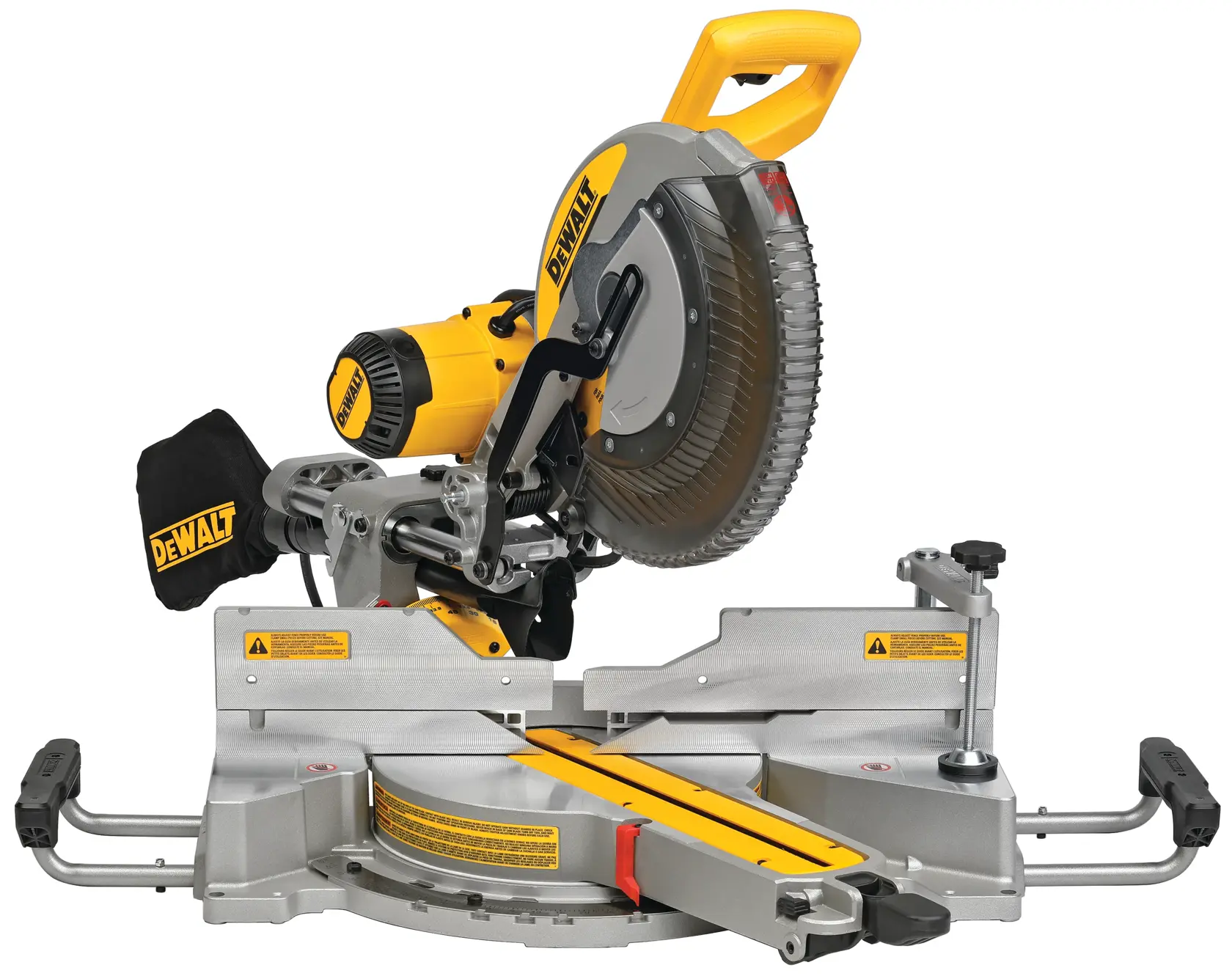
Miter Saws
Sliding capacity for a planned station, with actual angled and material capacities checked.
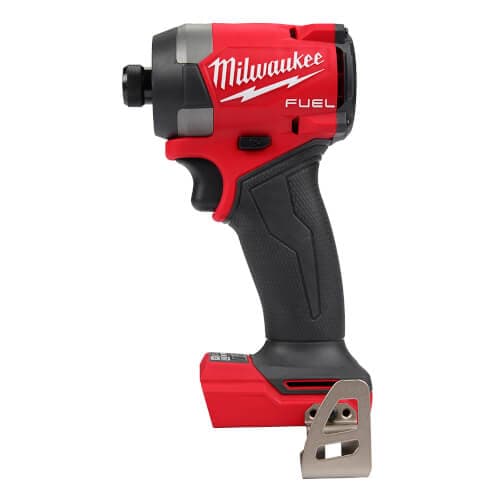
Impact Drivers
An M18 fastening choice when the system permits impact driving and appropriate bits are used.
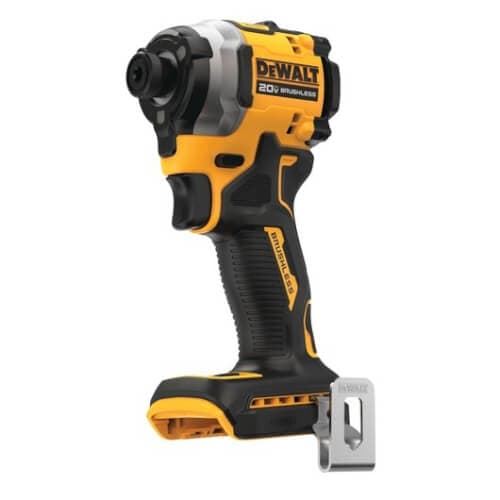
Impact Drivers
A compact DeWalt option where its working envelope and compatible power fit; choose one driver platform.
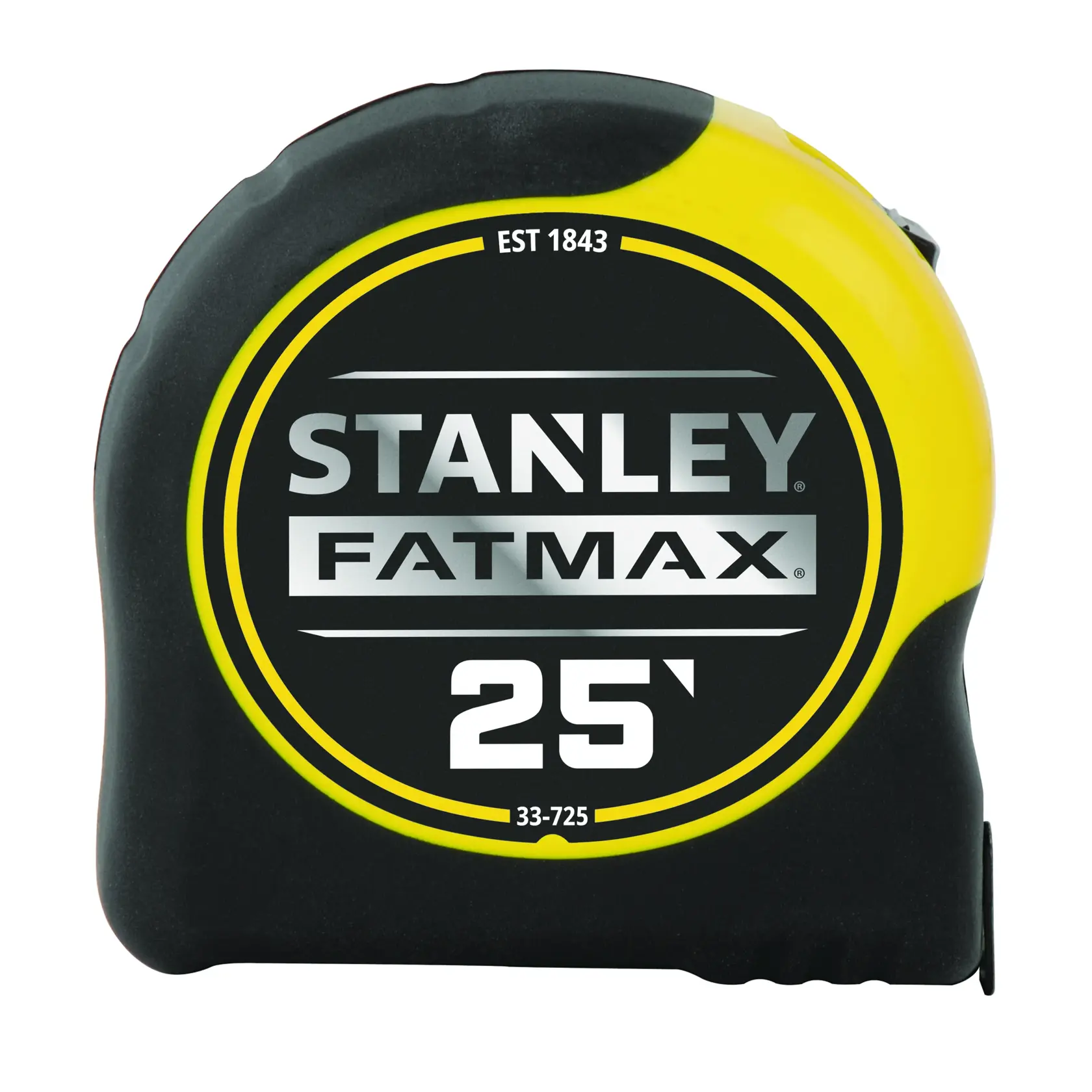
Measuring & Layout
Consistent stock and fixing layout reference.
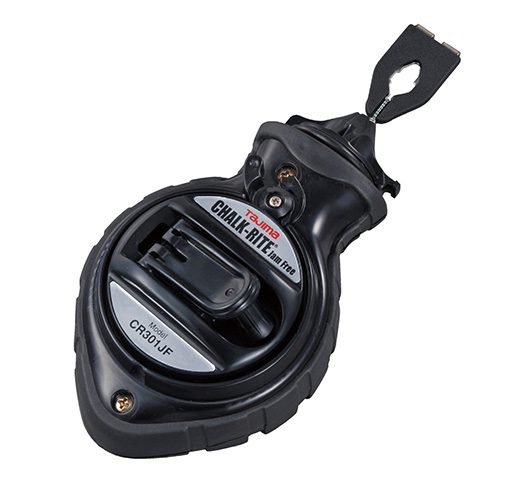
Measuring & Layout
Long construction references with suitable non-staining chalk.

Benches & Work Supports
Budget for a complete support system, not one horse alone.
The first question is what lets you approach and verify the work safely, not which brand has the loudest launch campaign.
Tools earn a place when they remove guesswork, avoid a return to the van or help verify the repair before you leave.
Apprentices and working techs can see what is core, what is useful and what is an upgrade instead of buying everything at once.
It can where accessible power and leads are a problem, but appropriate batteries and charging still matter. Site conditions determine the choice.
No. Match the material, environment and approved fastening system, including whether impact driving is permitted.