Finish Carpentry Tool Kit: Baseboard, Casing and Repeatable Trim Cuts
Choose a trim kit around clean references, supported repeat cuts and controlled fitting. Match the miter saw to the actual molding size before paying for a larger sliding machine.
8 practical picksOrganized around the workUS-focused
Choose a trim kit around clean references, supported repeat cuts and controlled fitting. Match the miter saw to the actual molding size before paying for a larger sliding machine.
01
1. Measure the opening and actual surfaces
Check the walls, floor and adjoining pieces rather than assuming nominal corners are square. Keep a tape, square, angle tool and sharp marking equipment available. Decide which face and edge will be the reference throughout the fit.
02
2. Establish a cut station
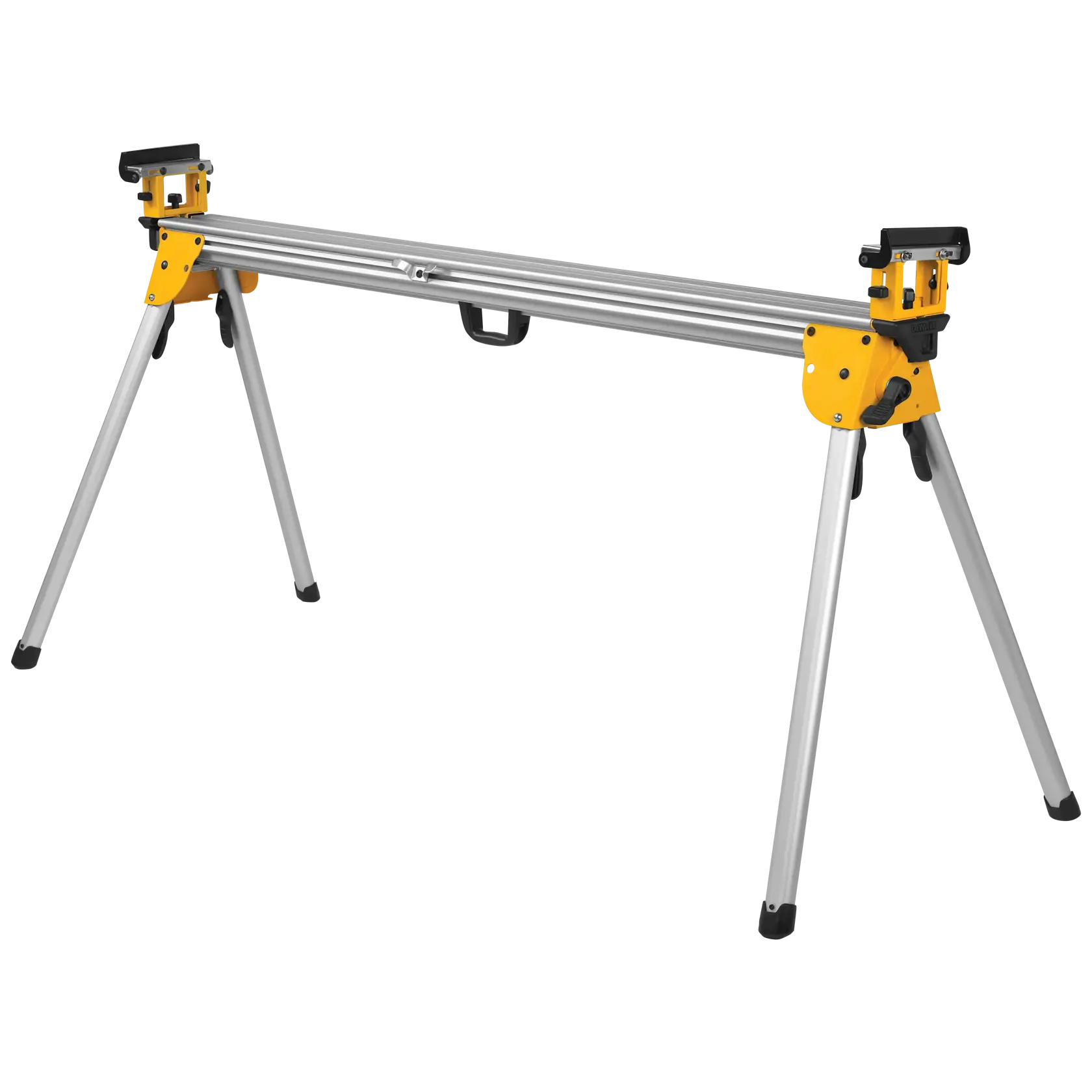
Check the saw’s setup against its manual and support long molding on a suitable stand. A first test cut on spare material helps verify the joint before cutting the finished stock. Leave room for both workpiece travel and the machine’s moving parts.
03
3. Cut for the joint, not just the scale
Use the appropriate blade for the material and finish. Match crosscut capacity to trim width and the intended orientation. Dual bevel can reduce reorienting stock for some cuts; it does not automatically make joints accurate.
04
4. Fit and fix without damaging the finish
Dry-fit the assembly before fastening. Depending on the trim and substrate, the job may require coping tools, a suitable finish nailer, adhesive, clamps and a drill. A drill shortlist does not replace the nailer or the specified fixing method.
05
5. Inspect joints and exposed surfaces
Check visible gaps, alignment and fastening damage before filling or decorating. Keep delicate finished material separate from rough cutting operations and collect dust appropriately.
SPEND WHERE IT HELPS THE JOB
A buying plan for your stage of the trade
Small trim jobs
A suitable fixed saw, finish blade, support and good layout can be a sensible package. Spend on the parts of the setup that affect repeatability before paying for capacity you do not use.
Regular wide stock
A slider may cover wider boards, but check angled-cut capacity too. Choose one station that matches the repeated work, not two saws because both appear in a shortlist.
Finish quality first
Budget for the blade, dust extraction, coping or fitting tools and correct fasteners. No saw specification establishes that a wall is square or that a joint fits.
JOB TOOL KIT
The tools that earn their place in the bag.
These are organized by the part of the job they support. “Core” means we would prioritize it before the nice-to-have upgrades.
Research-based tool selection from manufacturer documentation. We have not hands-on tested these products. How we choose tools →
CoreBasic trim crosscuts
Miter Saws
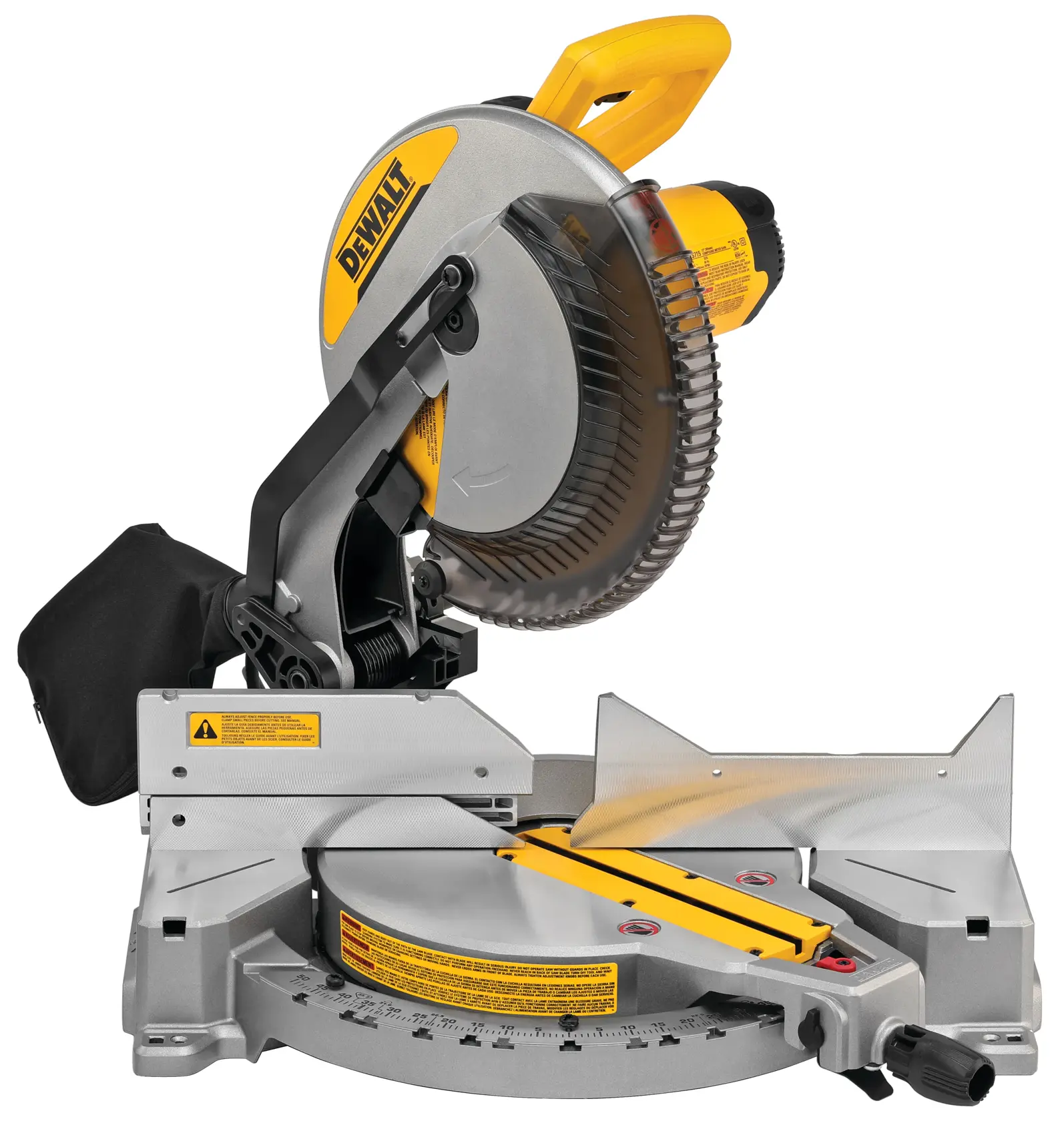
DeWalt DWS715 12-inch Single-Bevel Miter Saw
A fixed single-bevel 12-inch choice when the required stock fits its documented capacity; avoid buying a slider just for its feature list.