1. Survey before cutting
Establish what is being removed, what remains and whether services or hazardous materials need specialist assessment. Do not assume an old wall or floor is clear because its surface looks ordinary.

Keep renovation tools tied to the surveyed scope: replacement cutting and fitting are different from demolition. Budget for access, service checks and dust controls before another saw.
Keep renovation tools tied to the surveyed scope: replacement cutting and fitting are different from demolition. Budget for access, service checks and dust controls before another saw.
Establish what is being removed, what remains and whether services or hazardous materials need specialist assessment. Do not assume an old wall or floor is clear because its surface looks ordinary.
Choose removal equipment for the actual material and permitted scope. The circular and miter saws below are clean replacement-work candidates, not universal demolition tools. Embedded metal and unknown assemblies require a different assessment.
Measure the existing condition and establish references that the new work can follow. Older walls and floors may be out of level; correct or accommodate the condition deliberately rather than copying every irregularity.
Use appropriate support, guiding, blades and controlled drilling for the new stock. Compact installation heads can help beside existing fittings; a larger drill may be needed for a different supported application.
Plan extraction, containment, cleanup and finished-surface protection for the material and room. A supplied saw bag alone is not a complete dust-control arrangement.
Carry the tools required for the confirmed repair. A compact daily setup can avoid moving a large station for a handful of supported cuts.
Buy for recurring cutting capacity and access limitations. Separate extraction and protection costs from the power-tool budget so they do not disappear when funds are tight.
Hire suitable specialist equipment or use a qualified service when the task falls outside the existing kit or competence. A new saw is not the solution to every unknown wall or floor.
These are organized by the part of the job they support. “Core” means we would prioritize it before the nice-to-have upgrades.
Research-based tool selection from manufacturer documentation. We have not hands-on tested these products. How we choose tools →
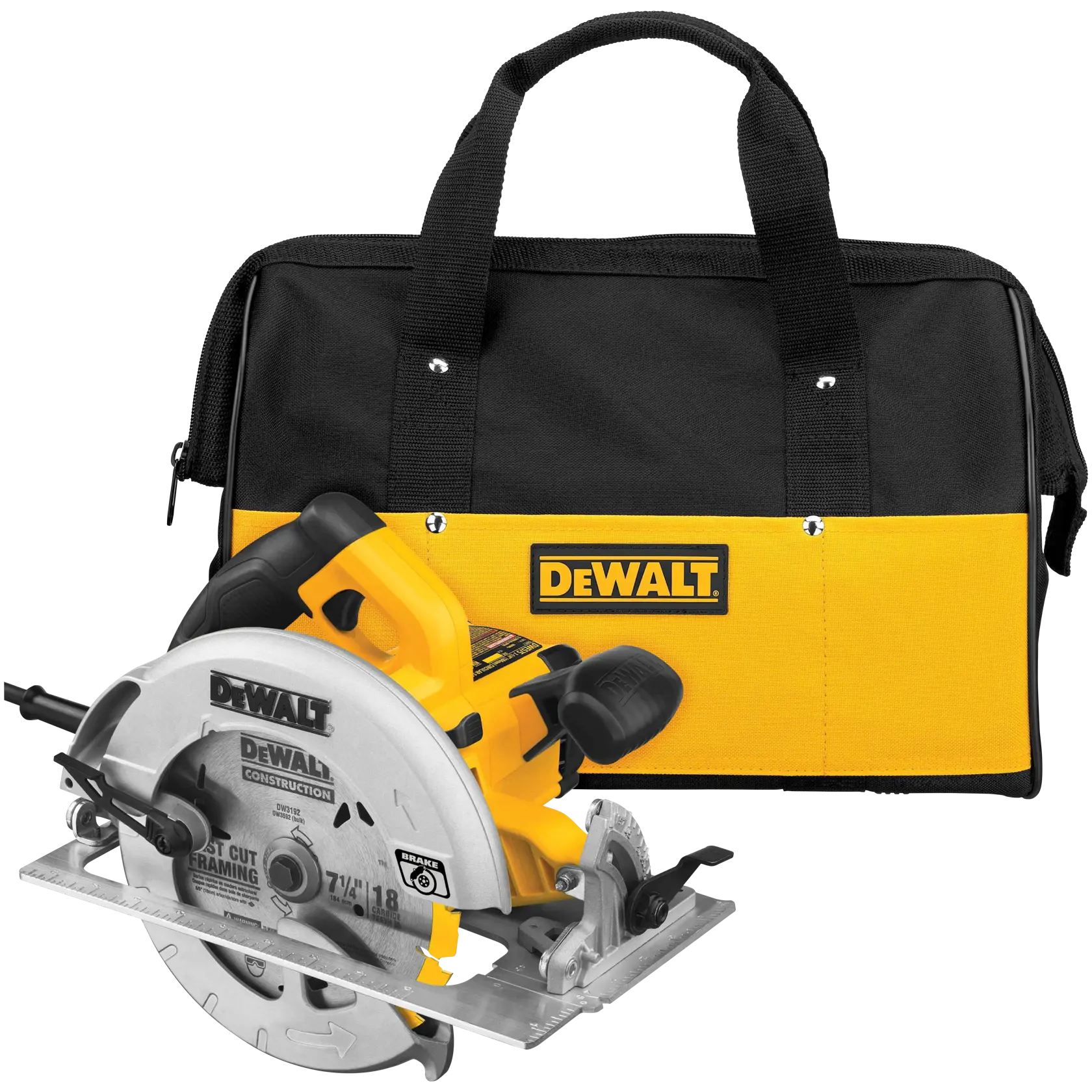
Circular Saws
Corded cutting when suitable power is accessible; not for unknown demolition assemblies.
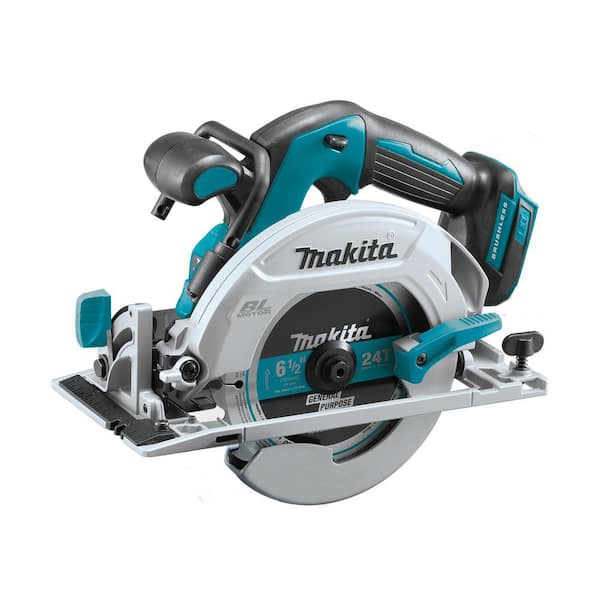
Circular Saws
LXT circular saw for supported clean-stock work when the platform and cutting capacity fit.

Drills & Assembly
Installation-head system for supported holes and fasteners near existing cabinets or obstructions.
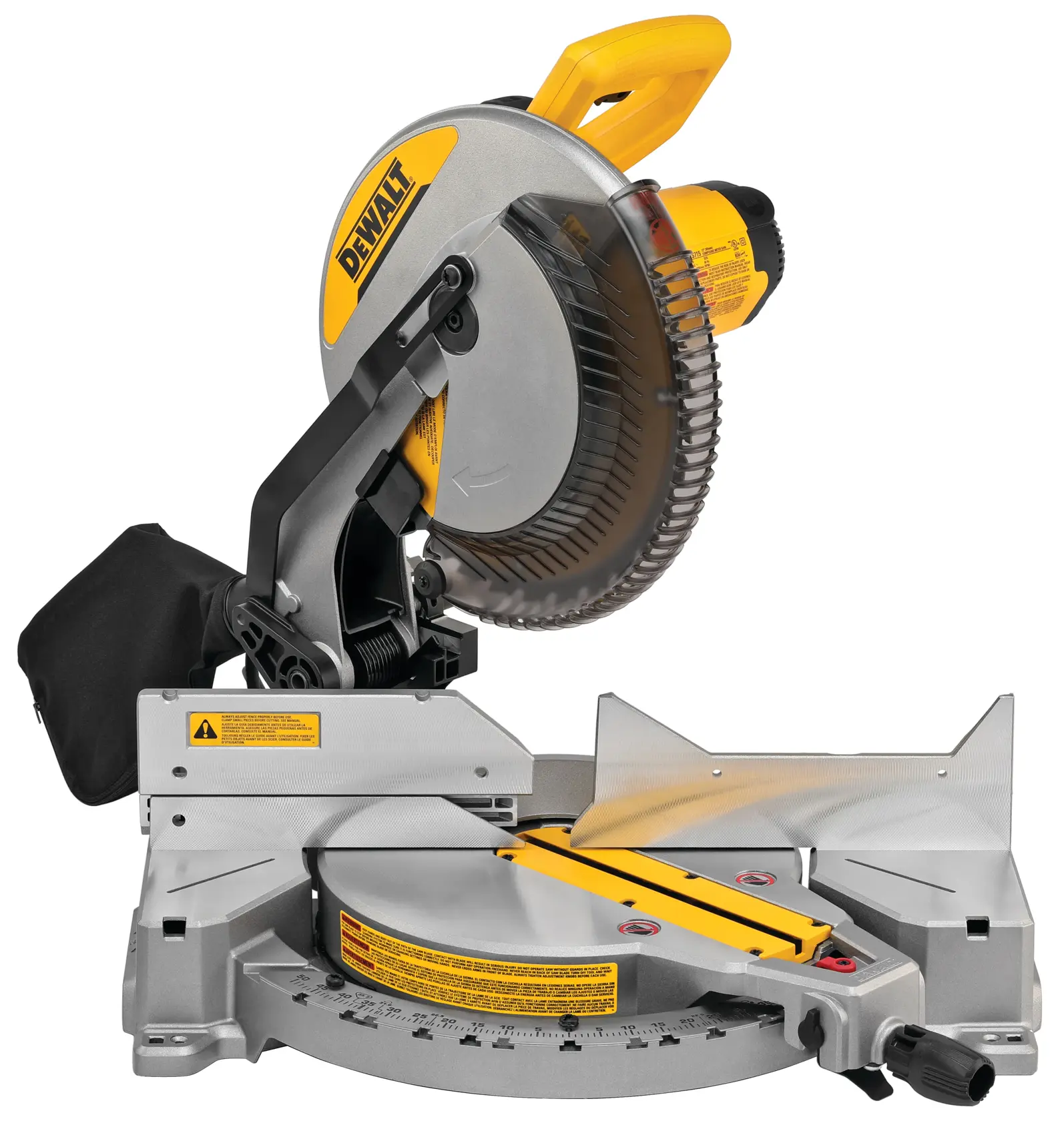
Miter Saws
A fixed station where replacement trim fits the capacity; larger sliders are conditional upgrades.
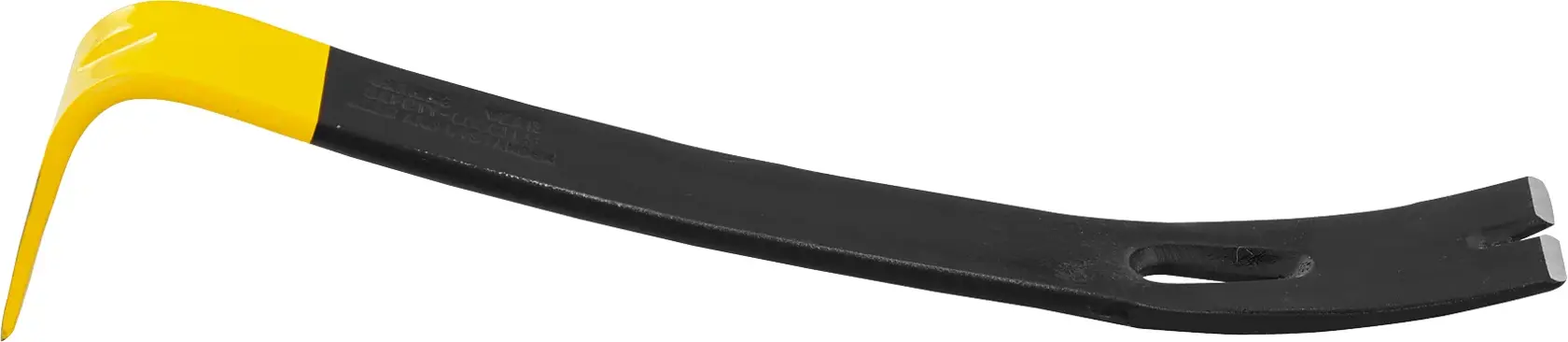
Hand Tools
Compact prying after surveying the assembly and retained surfaces.
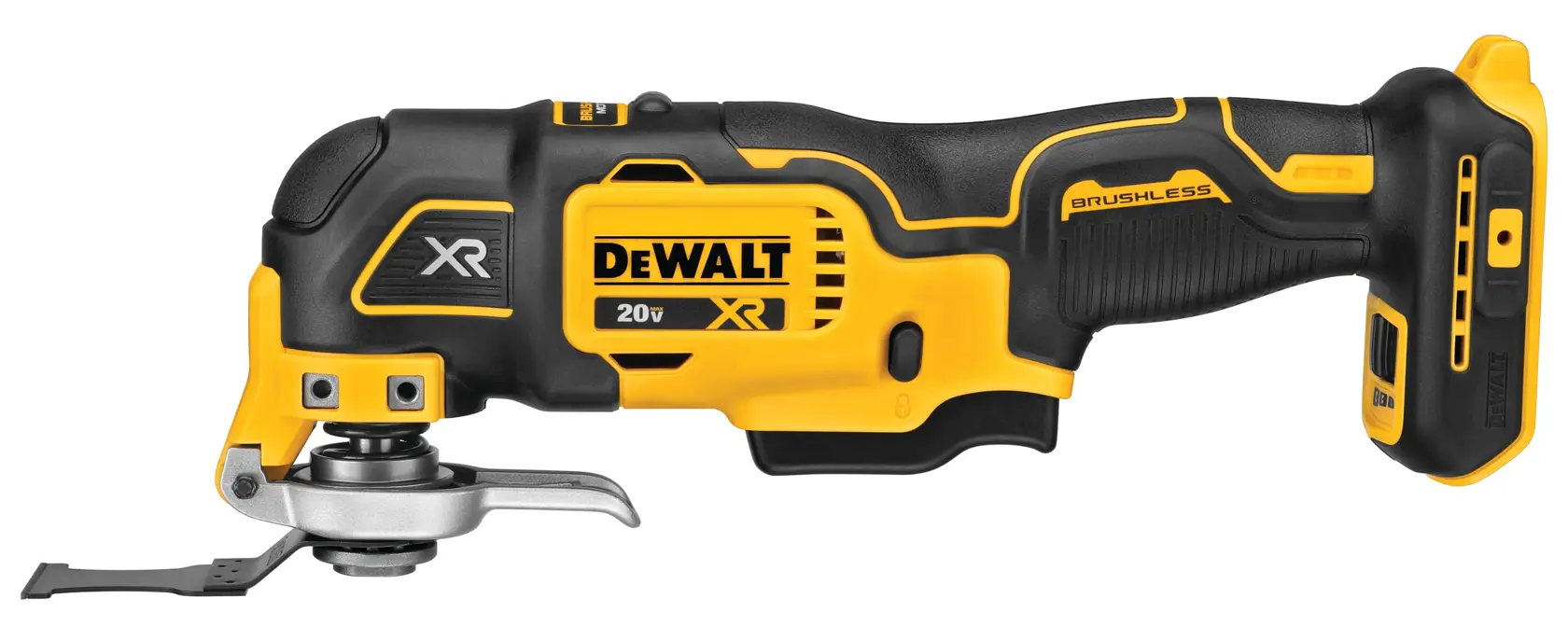
Multi-Tools & Jigsaws
Suitable targeted trimming on compatible existing power.
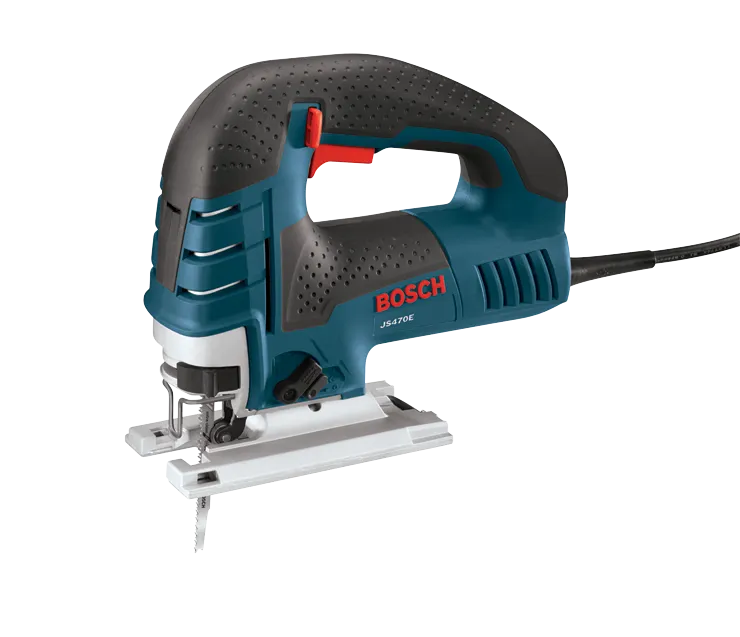
Multi-Tools & Jigsaws
Corded curved-cut alternative where the supported shape needs it.
The first question is what lets you approach and verify the work safely, not which brand has the loudest launch campaign.
Tools earn a place when they remove guesswork, avoid a return to the van or help verify the repair before you leave.
Apprentices and working techs can see what is core, what is useful and what is an upgrade instead of buying everything at once.
Not universally. Use it only for supported materials and operations allowed in the manual. Unknown services, embedded metal and concealed assemblies require prior assessment.
Identify the actual bottleneck. Better dust control, support or access tools may help more than a higher-power saw.