1. Confirm employer requirements
Ask which tools, instruments, protective equipment and qualifications the role requires.
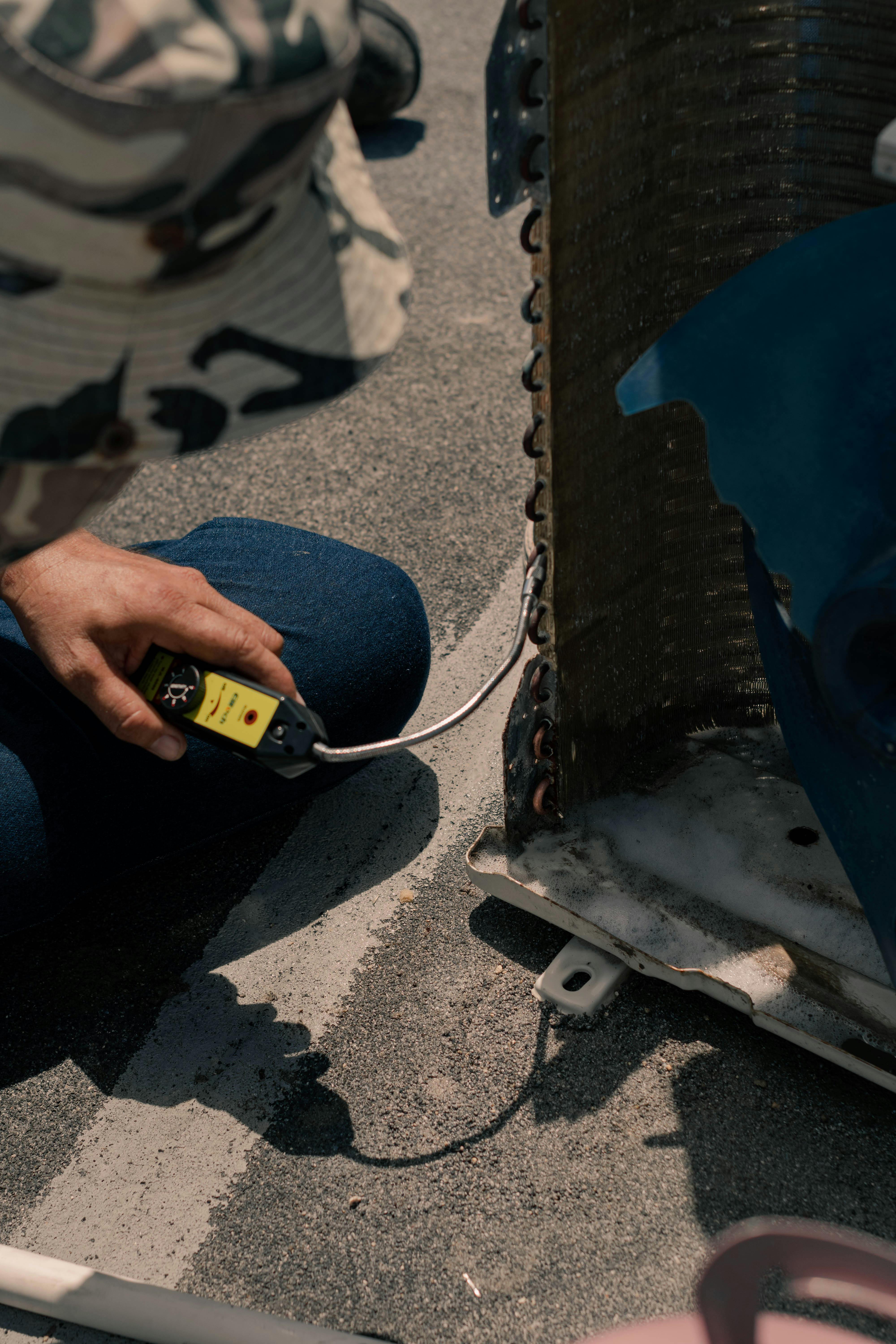
Start with employer-approved daily tools and a suitable electrical instrument. Add airside and refrigerant equipment as training, responsibility and recurring work justify the purchase.
Start with employer-approved daily tools and a suitable electrical instrument. Add airside and refrigerant equipment as training, responsibility and recurring work justify the purchase.
Ask which tools, instruments, protective equipment and qualifications the role requires.
Choose practical storage and suitable small hand and temperature tools.
Choose a rated meter and relevant measurement functions before buying larger specialist systems.
Add recovery, evacuation and connected systems when trained recurring work requires them.
These are organized by the part of the job they support. “Core” means we would prioritize it before the nice-to-have upgrades.
Research-based tool selection from manufacturer documentation. We have not hands-on tested these products. How we choose tools →
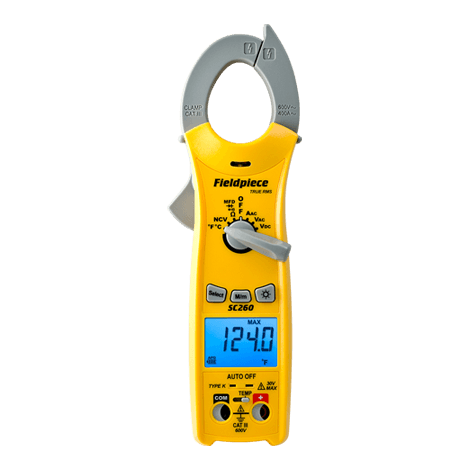
Clamp Meters
Compact option only when its rating and functions meet the employer’s actual requirements.
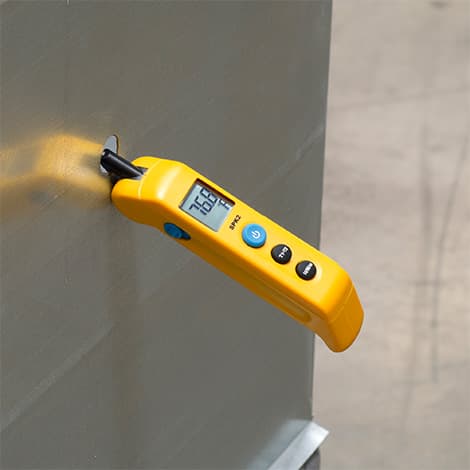
Temperature Tools
Pocket in-duct temperature role within its documented application.
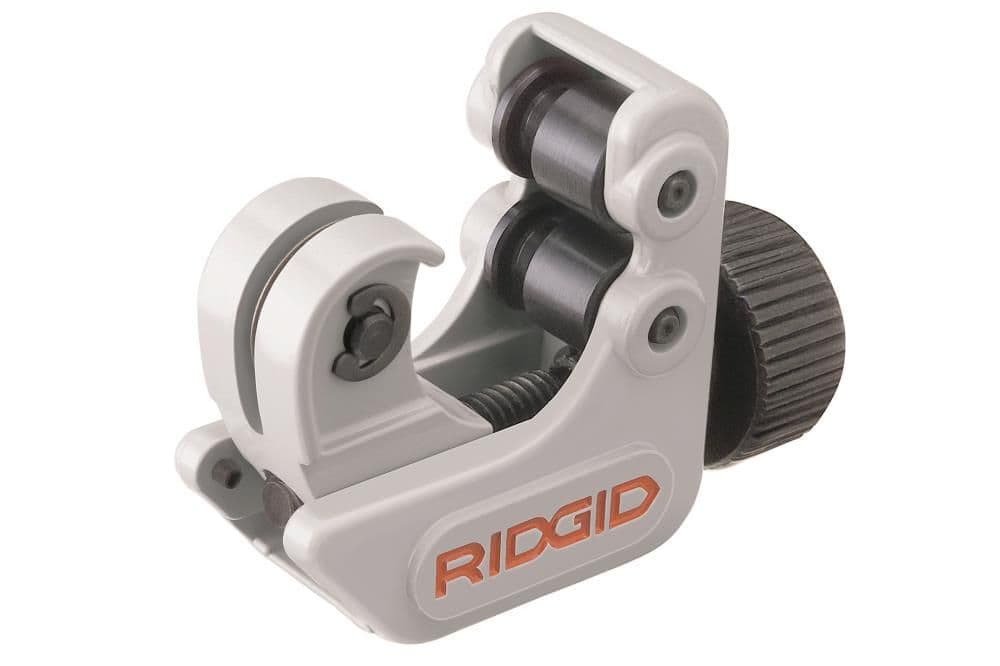
Tubing Cutters
Supported copper-tube cutting with material and actual OD checked.
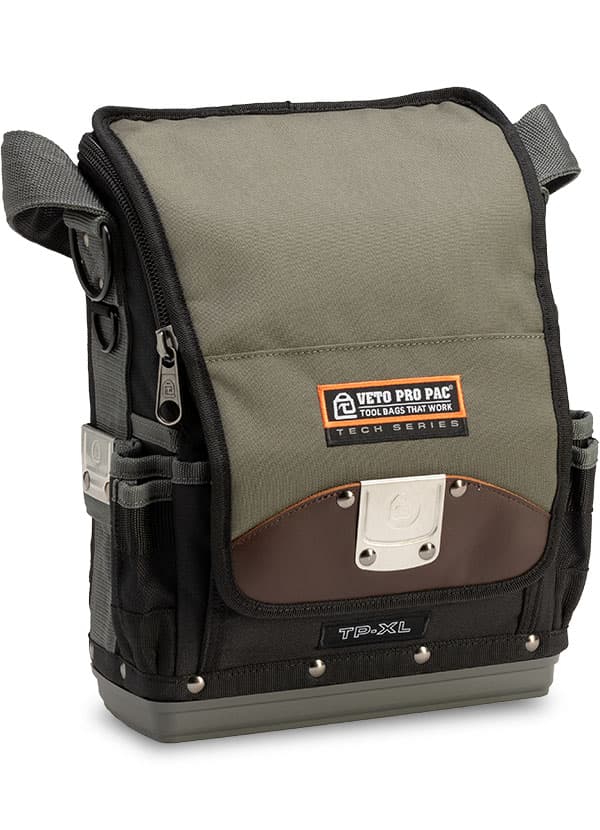
Tool Bags
A deliberate smaller kit rather than every specialist instrument at once.

Manometers
Add pressure measurement when trained work requires it.
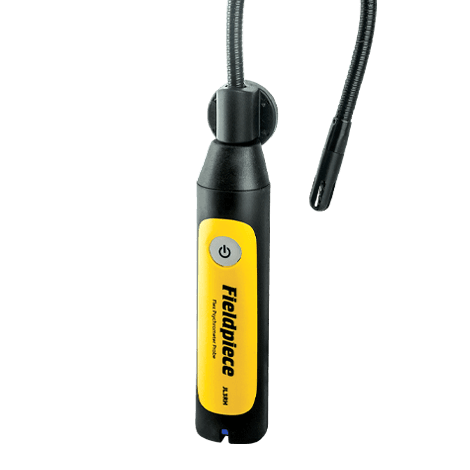
Psychrometers
Add when its readings and app setup support the actual diagnostic responsibility.
The first question is what lets you approach and verify the work safely, not which brand has the loudest launch campaign.
Tools earn a place when they remove guesswork, avoid a return to the van or help verify the repair before you leave.
Apprentices and working techs can see what is core, what is useful and what is an upgrade instead of buying everything at once.
Not by default. Ask what the employer supplies and what the role requires, then buy specialist equipment when responsibility and workload justify it.
No. Buy the core equipment required by your employer and the work you are trained and authorized to do. Useful and upgrade tools are conditional choices, not an instruction to buy the whole shortlist.
No. These are job-based buying plans. Confirm power equipment, probes, hoses, fittings and other separately required items in the exact retail packages.
No. Recommendations use documented capabilities and job-fit analysis. External customer feedback is separately attributed and are not our own test results.