1. Identify and prepare
Confirm material, nominal size, approved repair method and access before cutting.

Choose a pipe-repair kit by material and approved connection method. Combine complementary gripping and cutting tools, then add the joining system your recurring work requires.
Choose a pipe-repair kit by material and approved connection method. Combine complementary gripping and cutting tools, then add the joining system your recurring work requires.
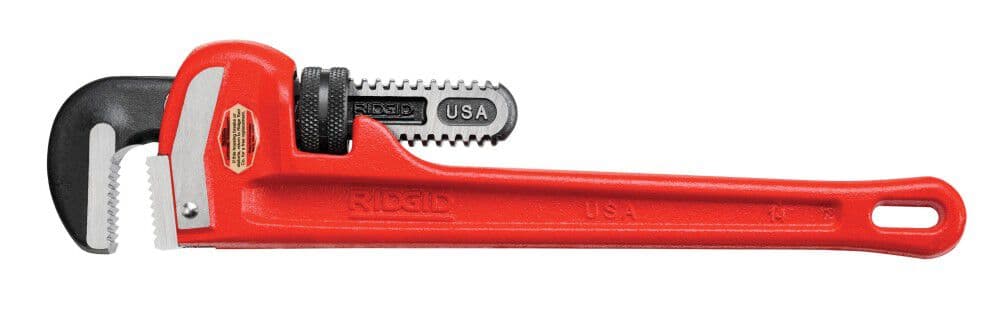
RIDGID 31020 14-Inch Heavy-Duty Straight Pipe Wrench
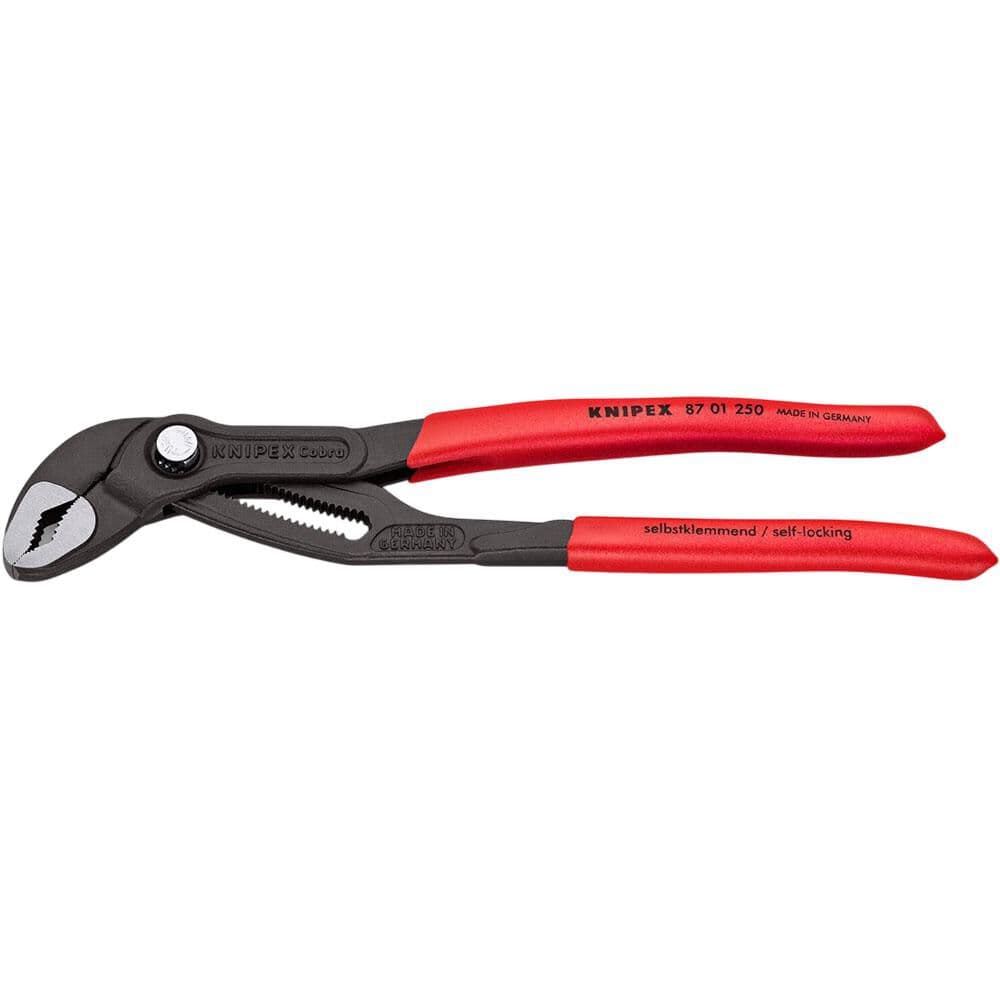
KNIPEX 87 01 250 Cobra Water Pump Pliers
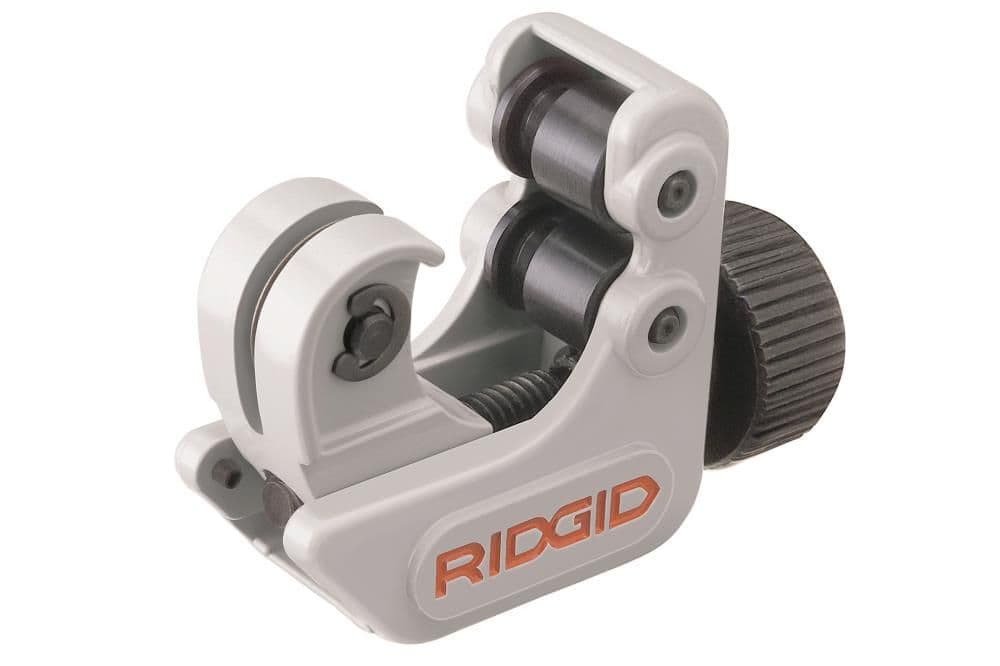
RIDGID 101 Close Quarters Tubing Cutter (40617)
Confirm material, nominal size, approved repair method and access before cutting.
Support the work and use the cutter or gripping method intended for that material.
Use the system-specific rings, heads or jaws and its documented preparation checks.
Complete the inspection and testing required for the installed system.
These are organized by the part of the job they support. “Core” means we would prioritize it before the nice-to-have upgrades.
Research-based tool selection from manufacturer documentation. We have not hands-on tested these products. How we choose tools →
Pipe Wrenches
Conventional 14-inch wrench for appropriate round threaded pipe with enough swing space.
Pliers
Complementary adjustable toothed gripper for appropriate service fittings.
Tubing Cutters
Close-quarters small-tube preparation.
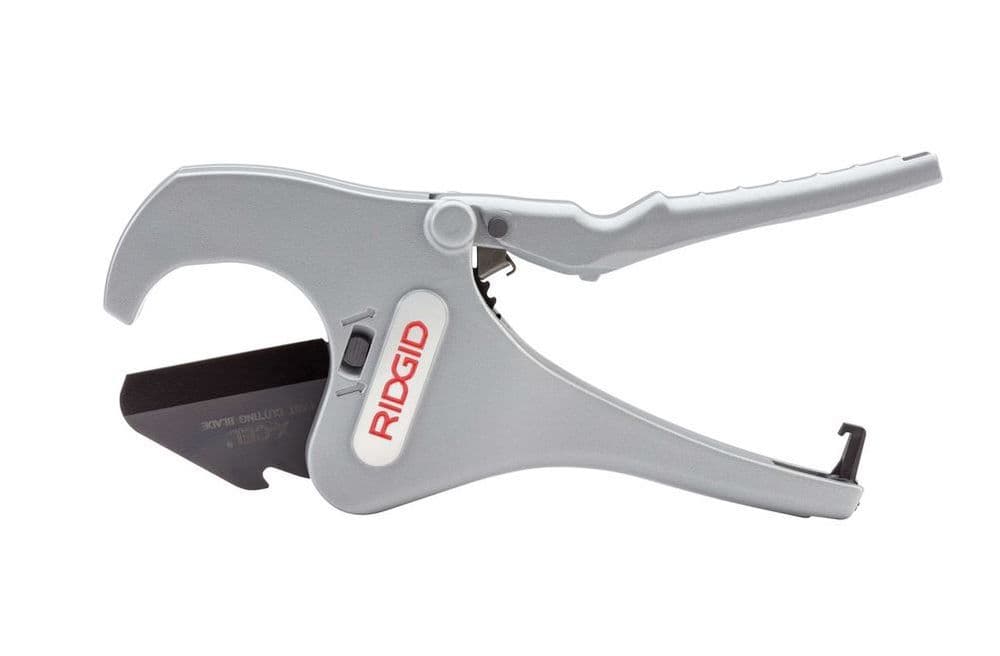
Plastic Pipe Cutters
Separate material-appropriate cutting tool.

PEX Crimp Tools
Select for approved 1/2- and 3/4-inch copper crimp rings.
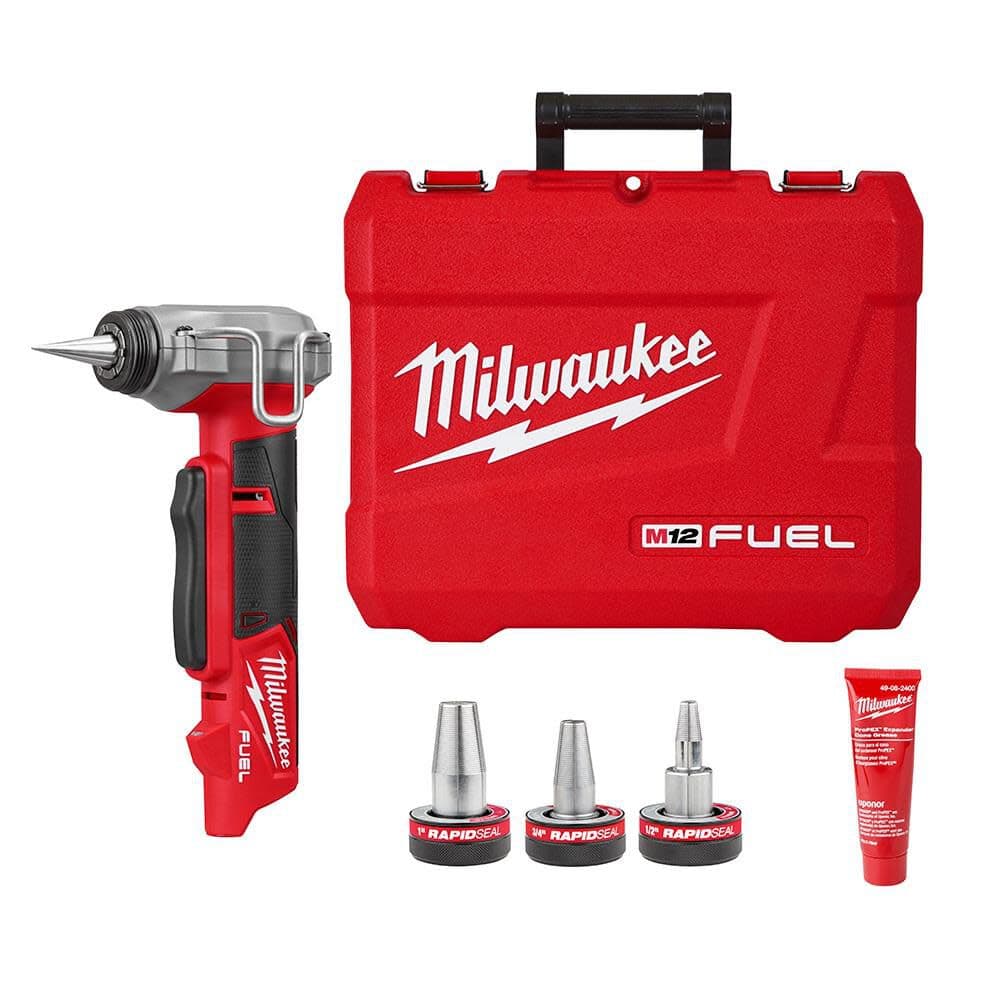
PEX Expansion Tools
Select for approved ProPEX work with the correct heads.
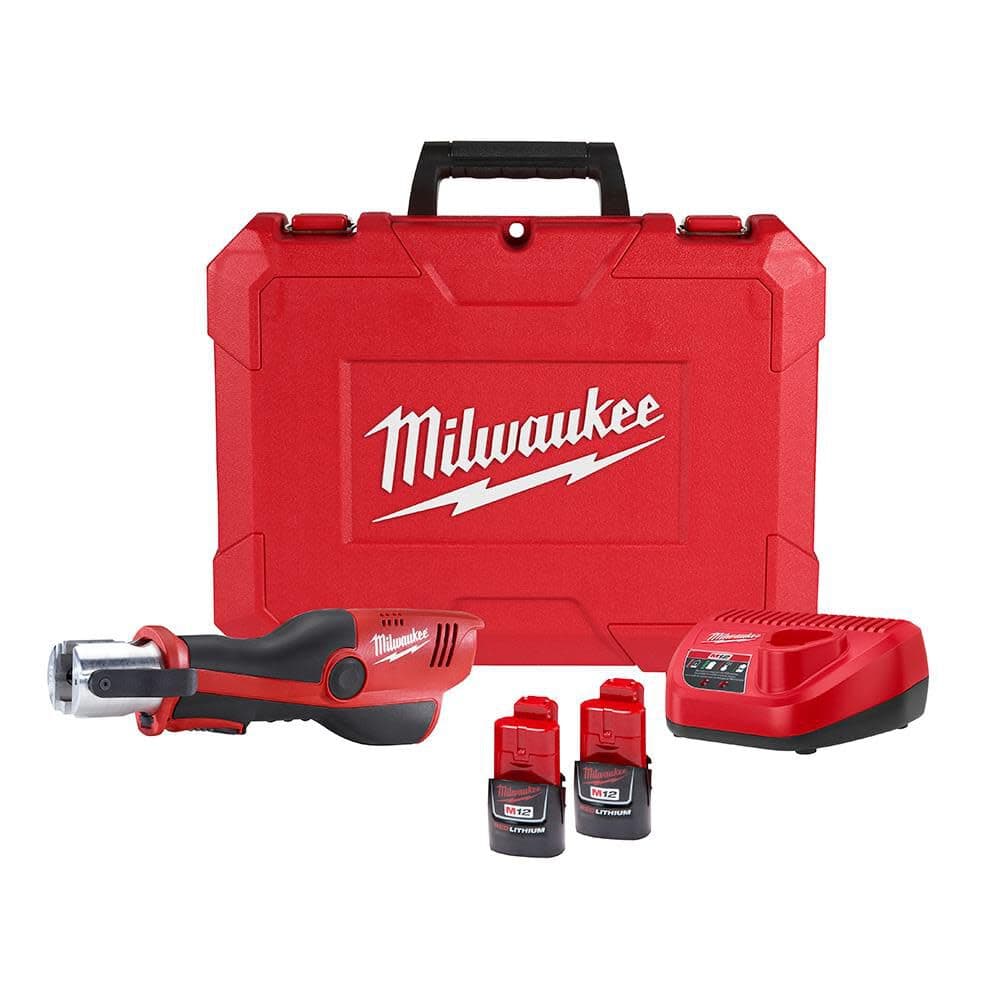
Press Tools
Select only with compatible approved jaws, fittings and sizes.
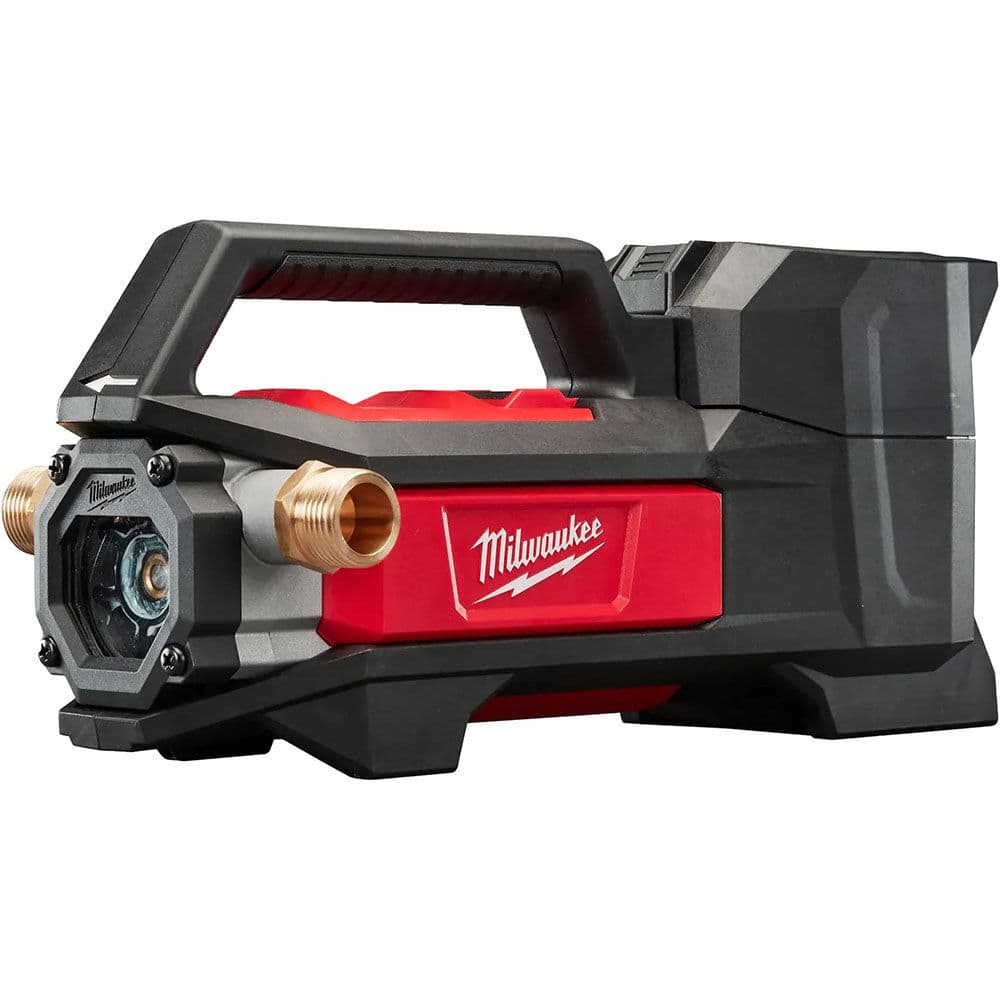
Transfer and Utility Pumps
Conditional hose-transfer equipment for permitted liquid and head requirements.
The first question is what lets you approach and verify the work safely, not which brand has the loudest launch campaign.
Tools earn a place when they remove guesswork, avoid a return to the van or help verify the repair before you leave.
Apprentices and working techs can see what is core, what is useful and what is an upgrade instead of buying everything at once.
No. Start with the core tools required for the work you are trained and authorized to perform. Useful and upgrade picks are conditional purchases, not a requirement to own every item.
Check each product assessment. Tool-only machines may need batteries, heads, jaws, monitors or hoses. The job kit is a buying plan rather than a single retail bundle.
Use the linked category guide to compare the approved application, size, access and complete equipment requirements. Existing batteries matter after the tool has been matched to the job.