1. Establish the complaint
Record equipment, operating conditions and the reported symptom before choosing a diagnostic path.
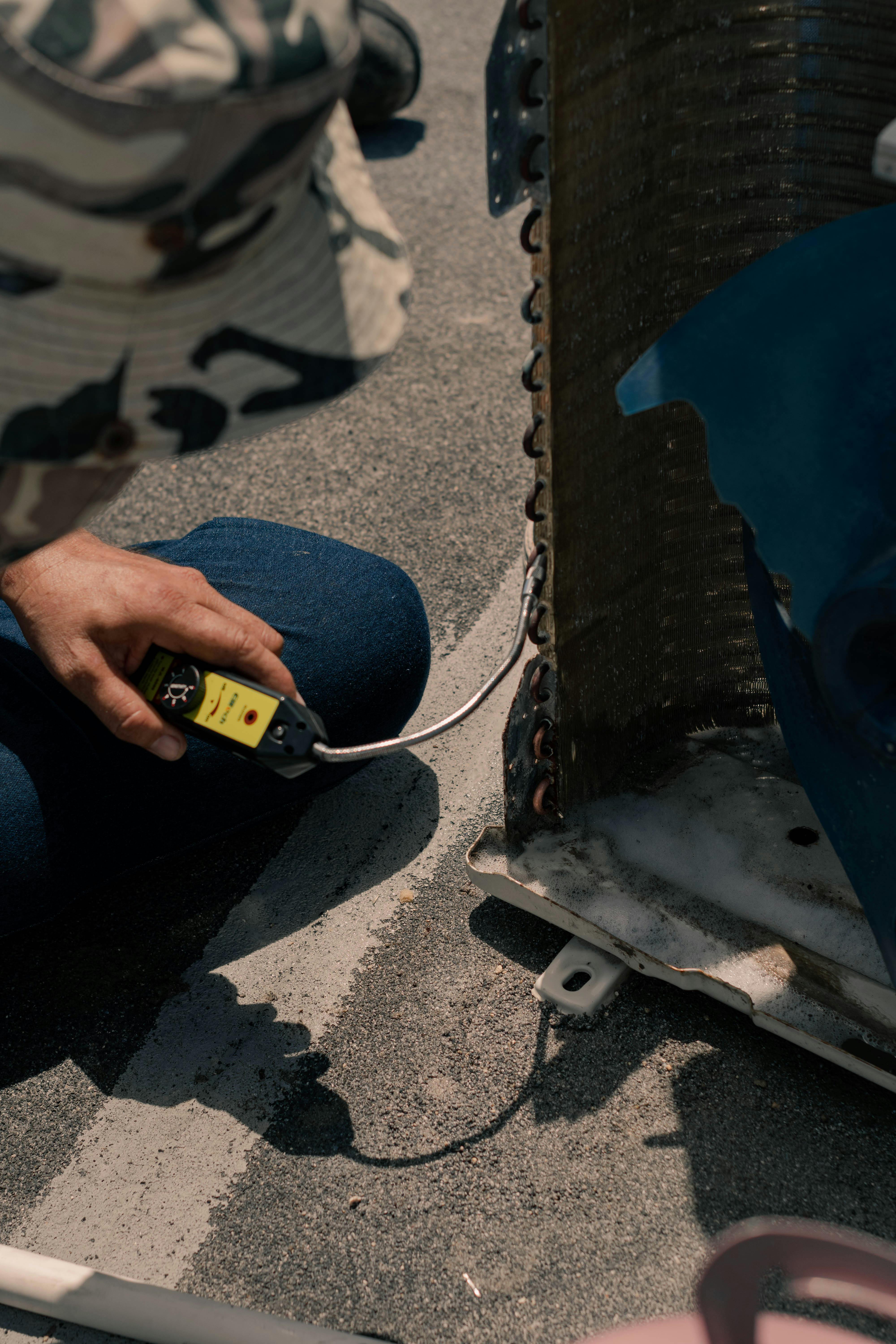
Plan the daily diagnosis bag first: electrical measurements, air conditions and appropriate pressure checks. Bring refrigerant equipment only when the identified job requires it.
Plan the daily diagnosis bag first: electrical measurements, air conditions and appropriate pressure checks. Bring refrigerant equipment only when the identified job requires it.
Record equipment, operating conditions and the reported symptom before choosing a diagnostic path.
Use the appropriate qualified-work process and instruments for electrical and airside measurements.
Confirm the diagnostic need, refrigerant and permitted equipment before adding connections.
Complete the equipment-specified checks and record the conditions with the results.
These are organized by the part of the job they support. “Core” means we would prioritize it before the nice-to-have upgrades.
Research-based tool selection from manufacturer documentation. We have not hands-on tested these products. How we choose tools →
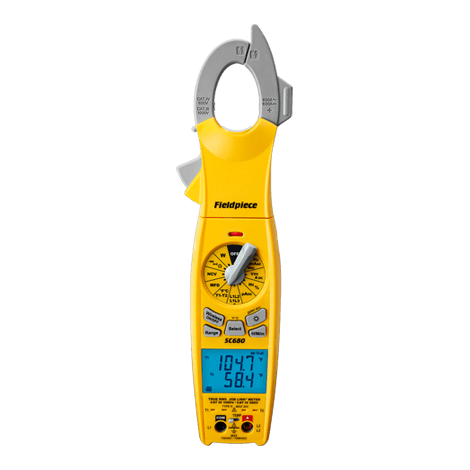
Clamp Meters
Broad electrical functions when the complete instrument and lead arrangement meets the measurement environment.
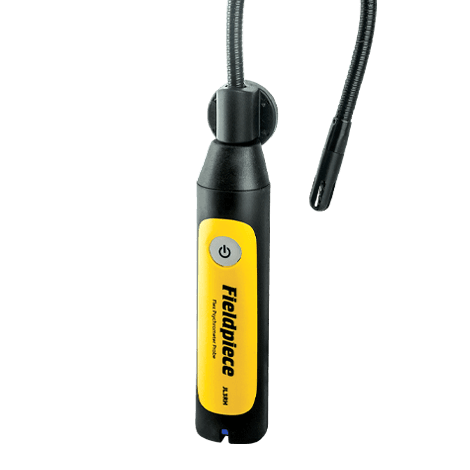
Psychrometers
Temperature and humidity readings at appropriate locations; a paired setup may require another probe.

Manometers
Local static and differential pressure where the correct probes and method are available.
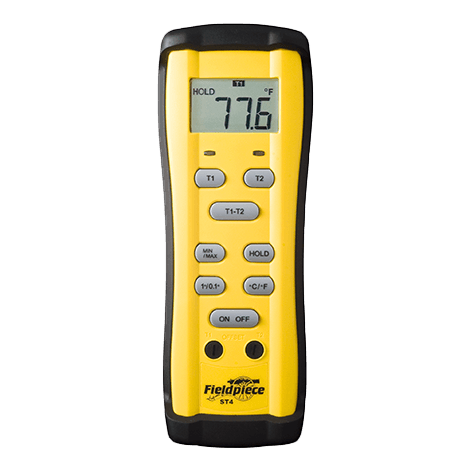
Temperature Tools
Two contact-temperature channels with probes suitable for the actual measurement.
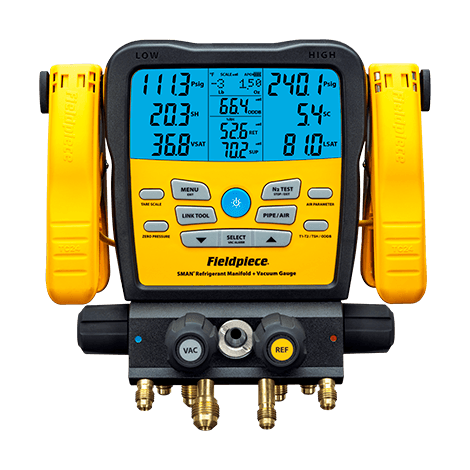
Digital Manifolds
Current four-port manifold when the diagnosis calls for supported refrigerant-side measurements.
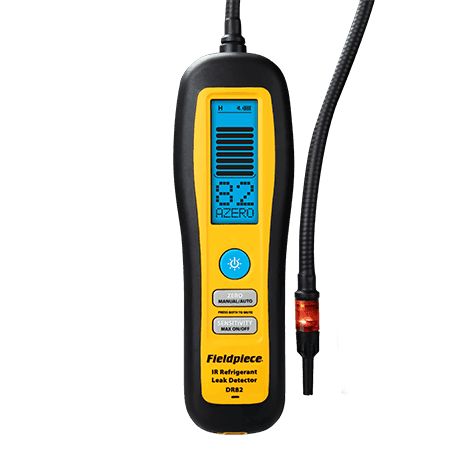
Refrigerant Leak Detectors
Infrared detector only for its documented gases and operating conditions.
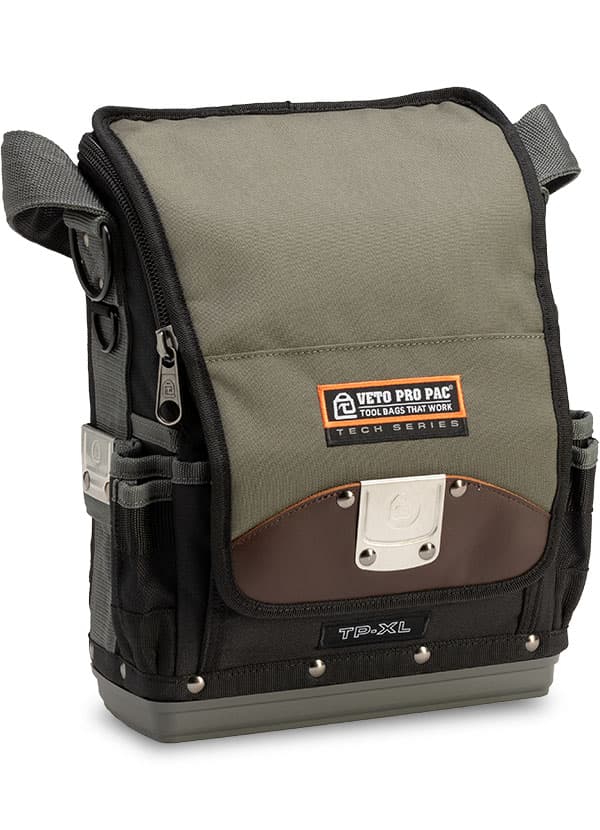
Tool Bags
Keep the selected hand tools and instruments accessible and separately protected.
The first question is what lets you approach and verify the work safely, not which brand has the loudest launch campaign.
Tools earn a place when they remove guesswork, avoid a return to the van or help verify the repair before you leave.
Apprentices and working techs can see what is core, what is useful and what is an upgrade instead of buying everything at once.
Choose measurements according to the diagnostic need and equipment requirements. This kit does not recommend opening the refrigerant circuit on every service visit.
No. Buy the core equipment required by your employer and the work you are trained and authorized to do. Useful and upgrade tools are conditional choices, not an instruction to buy the whole shortlist.
No. These are job-based buying plans. Confirm power equipment, probes, hoses, fittings and other separately required items in the exact retail packages.
No. Recommendations use documented capabilities and job-fit analysis. External customer feedback is separately attributed and are not our own test results.