1. Plan the permitted route
Confirm cable, route, access and applicable building requirements. Establish work conditions independently of the tool choice.
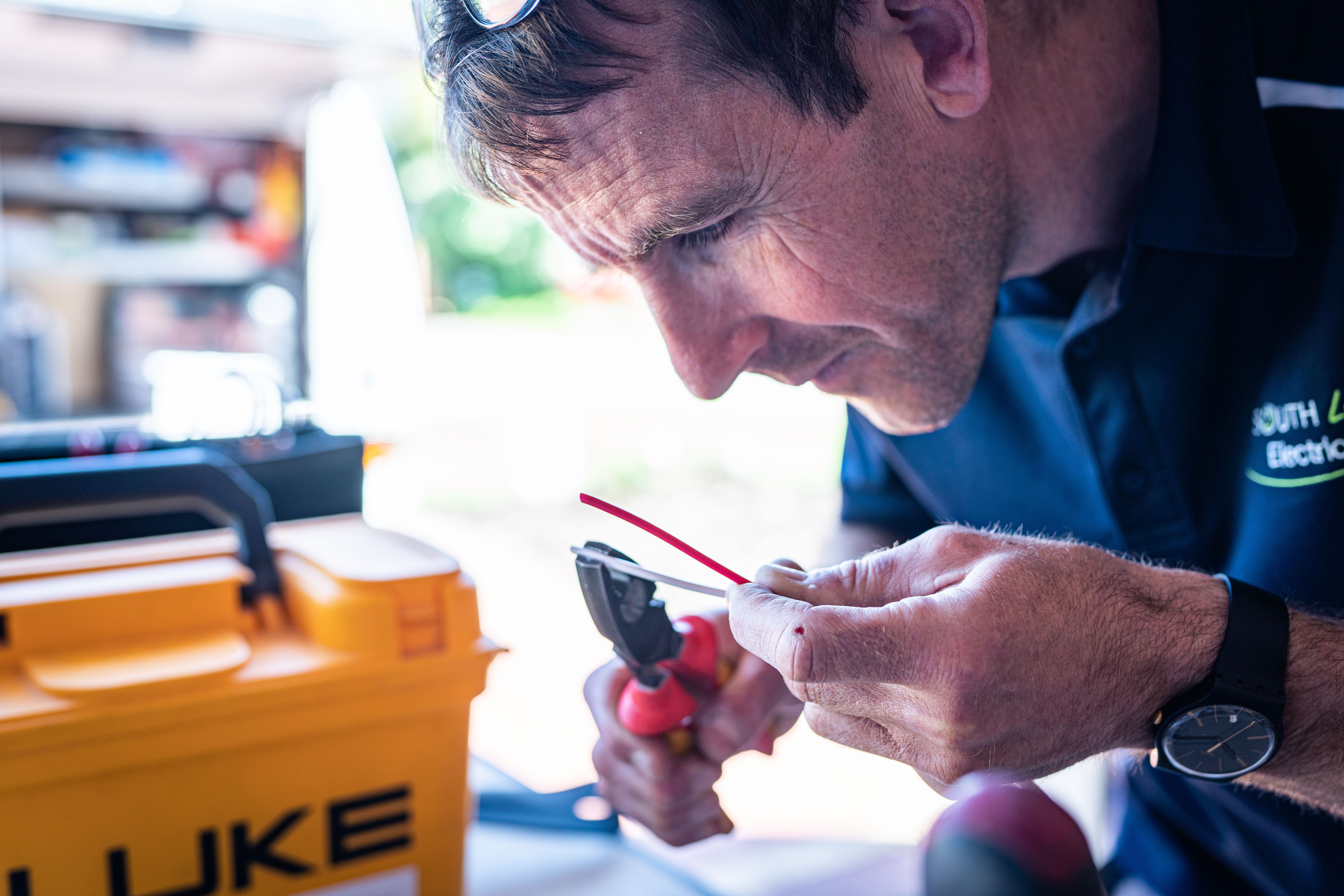
Match cable-pulling tools to conduit or open-cavity access. Compare steel, fiberglass and polyester fish tapes, rods, lighting and preparation tools.
Cable routing starts with the approved path and cable requirements. A tape, rod or powered puller is useful only when it suits the route, access and allowed loading. This guide covers the everyday access kit and identifies the separate checks that prevent buying a long tape for a problem it cannot solve.
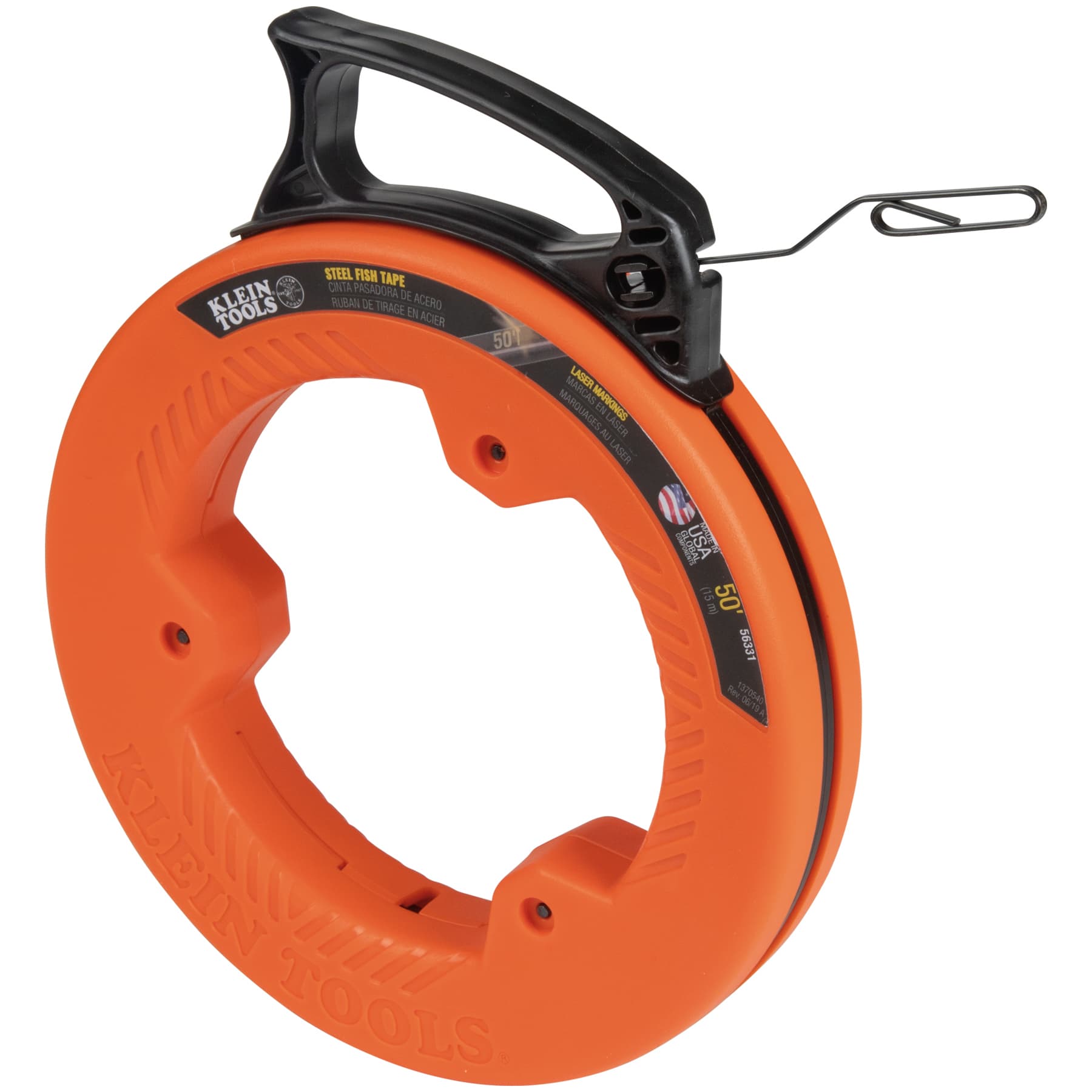
Klein Tools 56331 Steel Fish Tape, 50-Foot

Milwaukee 2367-20 M12 ROVER Service & Repair Flood Light
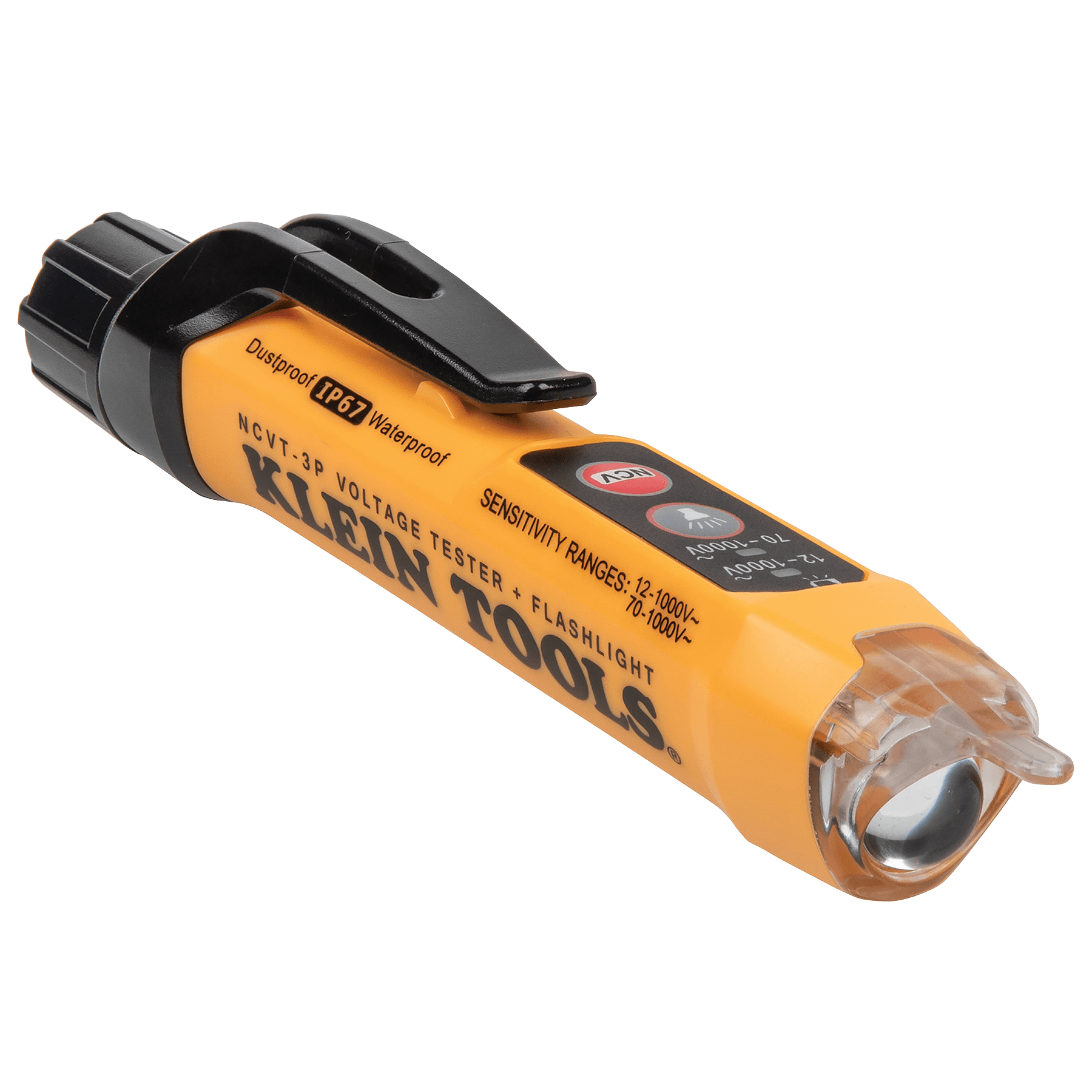
Klein Tools NCVT-3P Dual-Range Voltage Tester
Confirm cable, route, access and applicable building requirements. Establish work conditions independently of the tool choice.
Use a suitable coiled tape for supported conduit access or sectional rods for an appropriate open cavity. Compare the complete construction, including tips and leaders.
Check condition, accessories and documented limits. Cable, tool and route requirements determine allowed loading, not tape length alone.
Lighting, accessible hand tools and organized supplies help the task. Some routes require extra access or specialist pulling equipment.
Complete identification and installation verification under the required procedure. Successfully routing a cable does not prove the completed installation is compliant.
These are organized by the part of the job they support. “Core” means we would prioritize it before the nice-to-have upgrades.
Research-based tool selection from manufacturer documentation. We have not hands-on tested these products. How we choose tools →
Fish tape / rods
Begin with the route, not the longest reel. The guide compares a short steel tape, longer fiberglass and polyester tools and a sectional rod kit.
Work light
Select a placement and beam format that lets the route and access area be seen. A service light and a large installation flood have different carrying requirements.
Voltage indication
A supplementary screening tool only. Establish safe work conditions through the required isolation and verification procedure, not a tape’s body material or a pen reading.
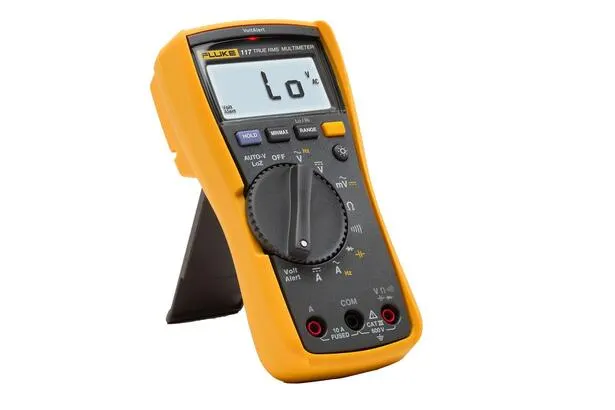
Multimeter
Use for supported measurements required by the work. Further installation tests may need different equipment; a multimeter does not certify the whole cable route.
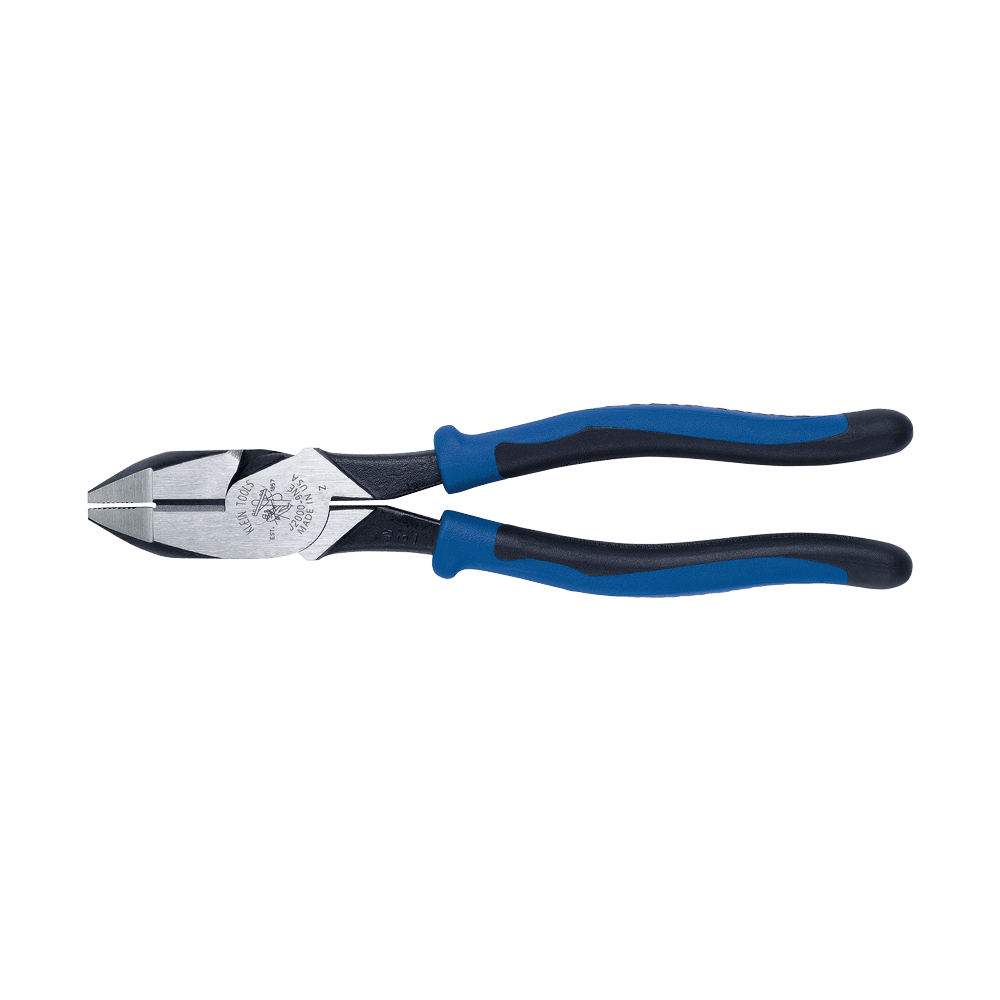
Gripping / cutting tool
Check the material and documented capacity. Do not apply a general plier cutter to every cable or use improvised attachments to exceed pulling-tool limits.
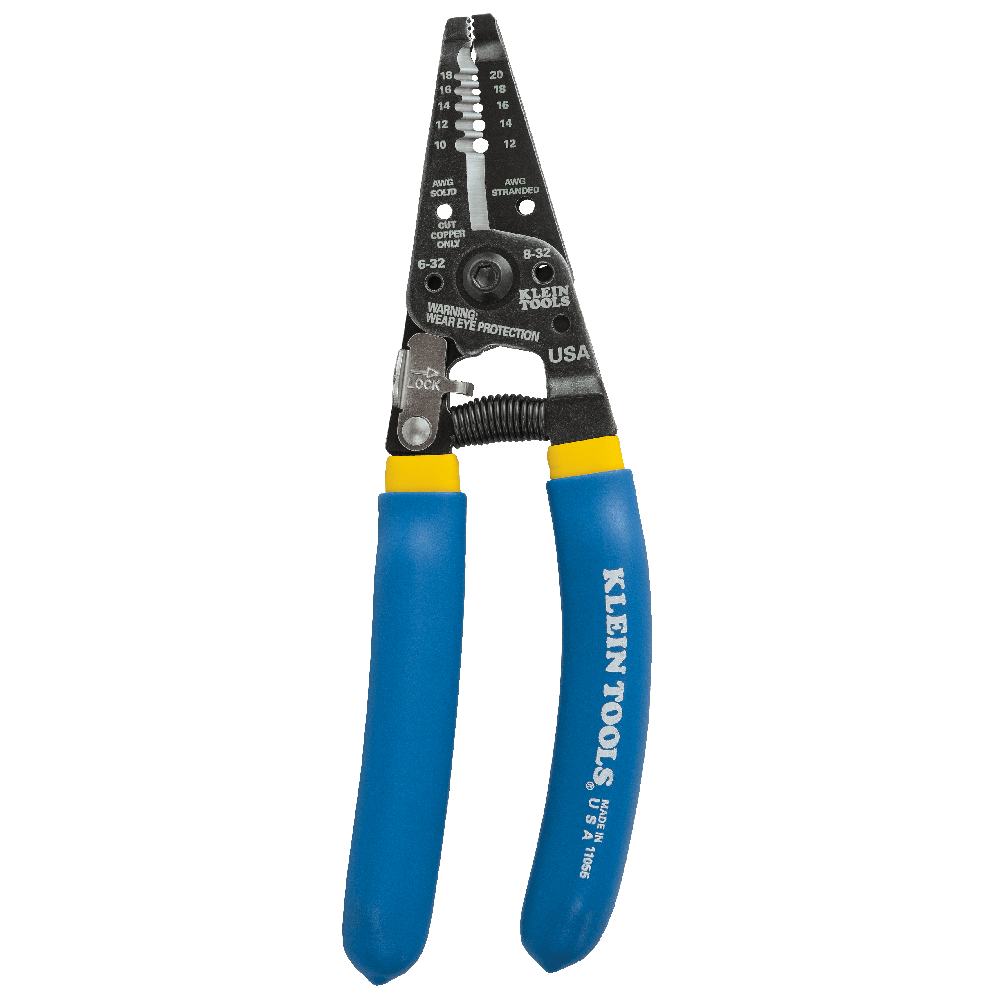
Wire stripper
Match the finished conductor preparation to the exact wire type and gauge. Large or unusual cable can require a different preparation tool.
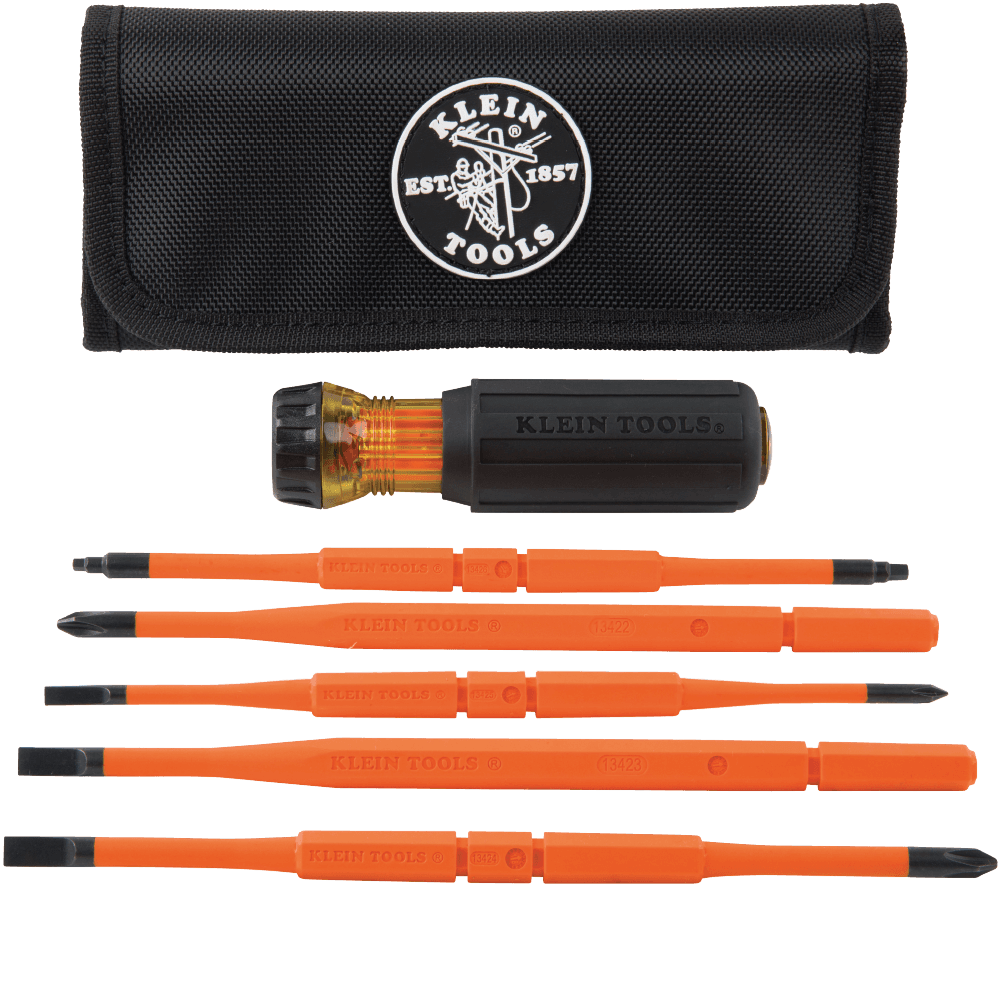
Driver system
For the supported mounting and device profiles involved after routing. Specified terminal torque still requires the correct calibrated tool.
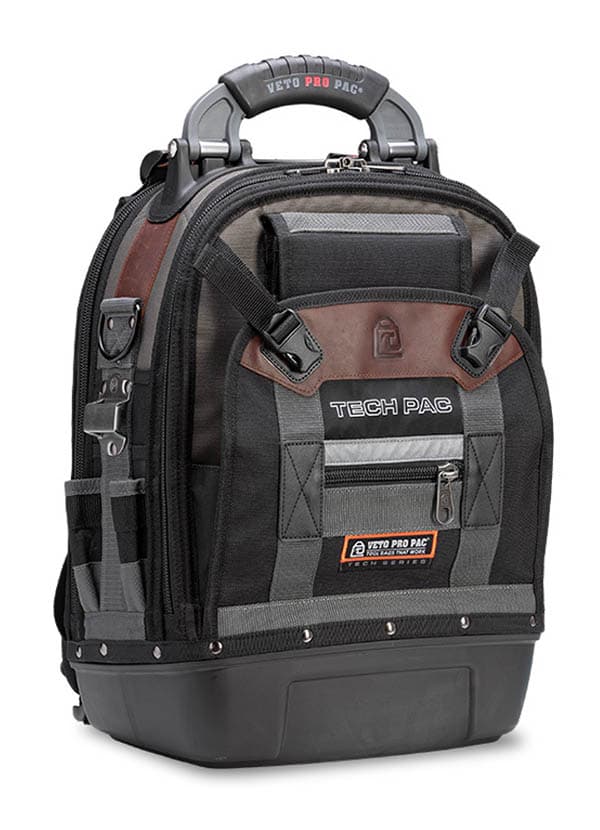
Access kit storage
Carry the local access kit without loading every reel and stock item into a backpack. Verify the bag fits the tools you actually take to the route.
The first question is what lets you approach and verify the work safely, not which brand has the loudest launch campaign.
Tools earn a place when they remove guesswork, avoid a return to the van or help verify the repair before you leave.
Apprentices and working techs can see what is core, what is useful and what is an upgrade instead of buying everything at once.
A tape is a coiled access tool, often selected for a supported conduit route. Rods are sectional and can suit appropriate open cavities. Choose by access rather than length alone.
Do not treat that label as authorization. Fittings can differ, and the required isolation and safe-work procedure still applies.
When the planned cable and route require suitable specialist equipment. Determine loading and equipment requirements with the responsible qualified person; this guide does not calculate pulling tension.