1. Survey the existing installation
Record the circuits, access constraints and intended scope before choosing equipment. A rewire is a planned installation, not a service repair repeated in every room.
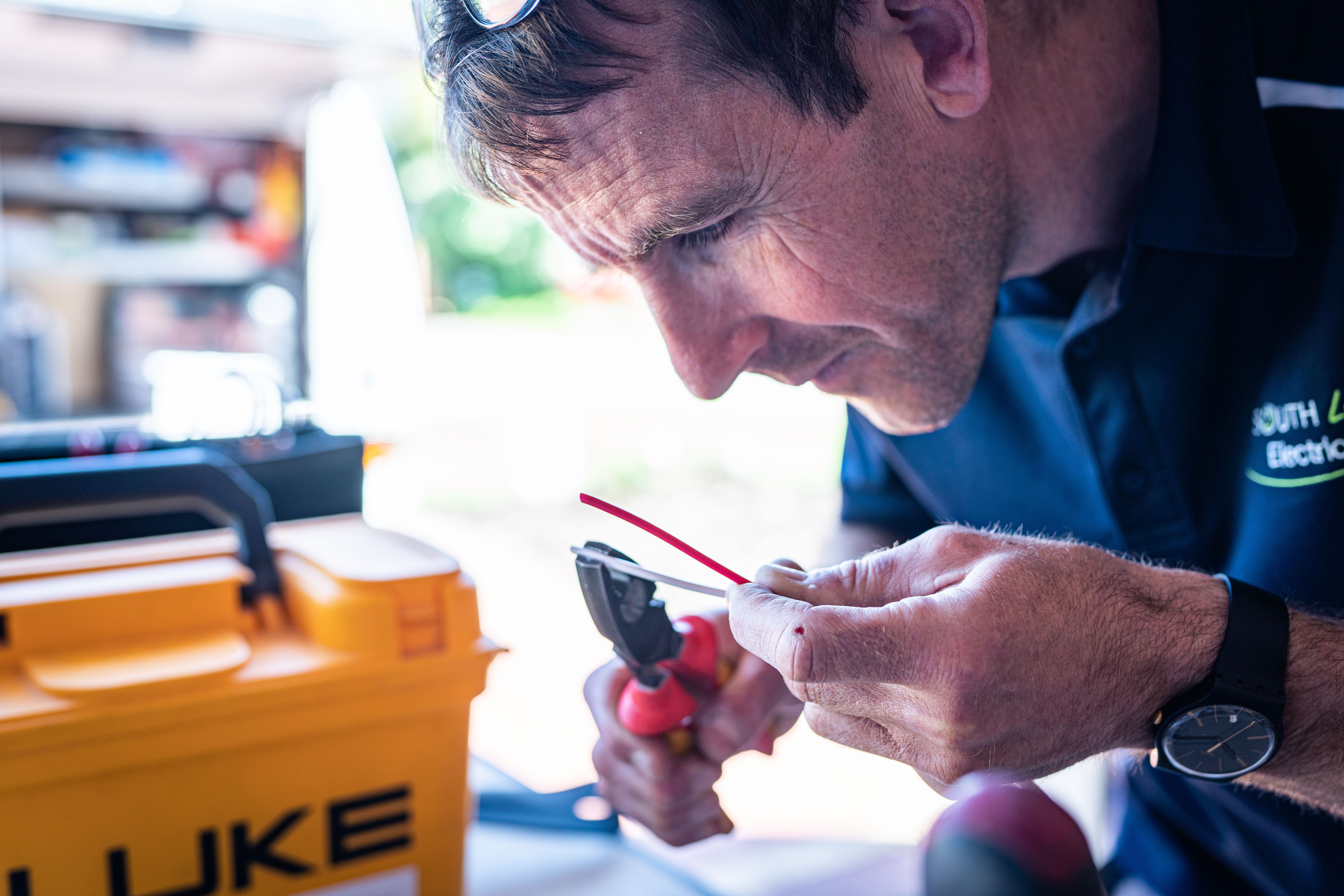
Plan a professional house-rewire tool kit: survey existing circuits, route cable, prepare conductors, install and verify. Separate service essentials from rough-in equipment.
A residential rewire kit needs more than the test tools carried on a short repair call. Build it around the survey, access and routing plan, repeated conductor preparation, permitted installation work and final testing. Start with the equipment your employer and project require, then select the drilling and pulling tools for the actual building. The recommendations below cover everyday categories, with specialist and verification needs listed separately.
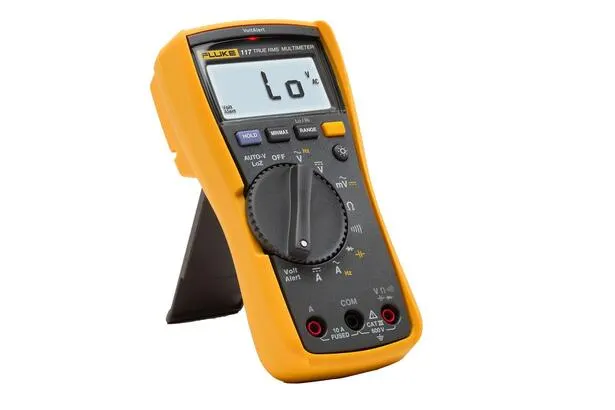
Fluke 117 Electrician's Multimeter
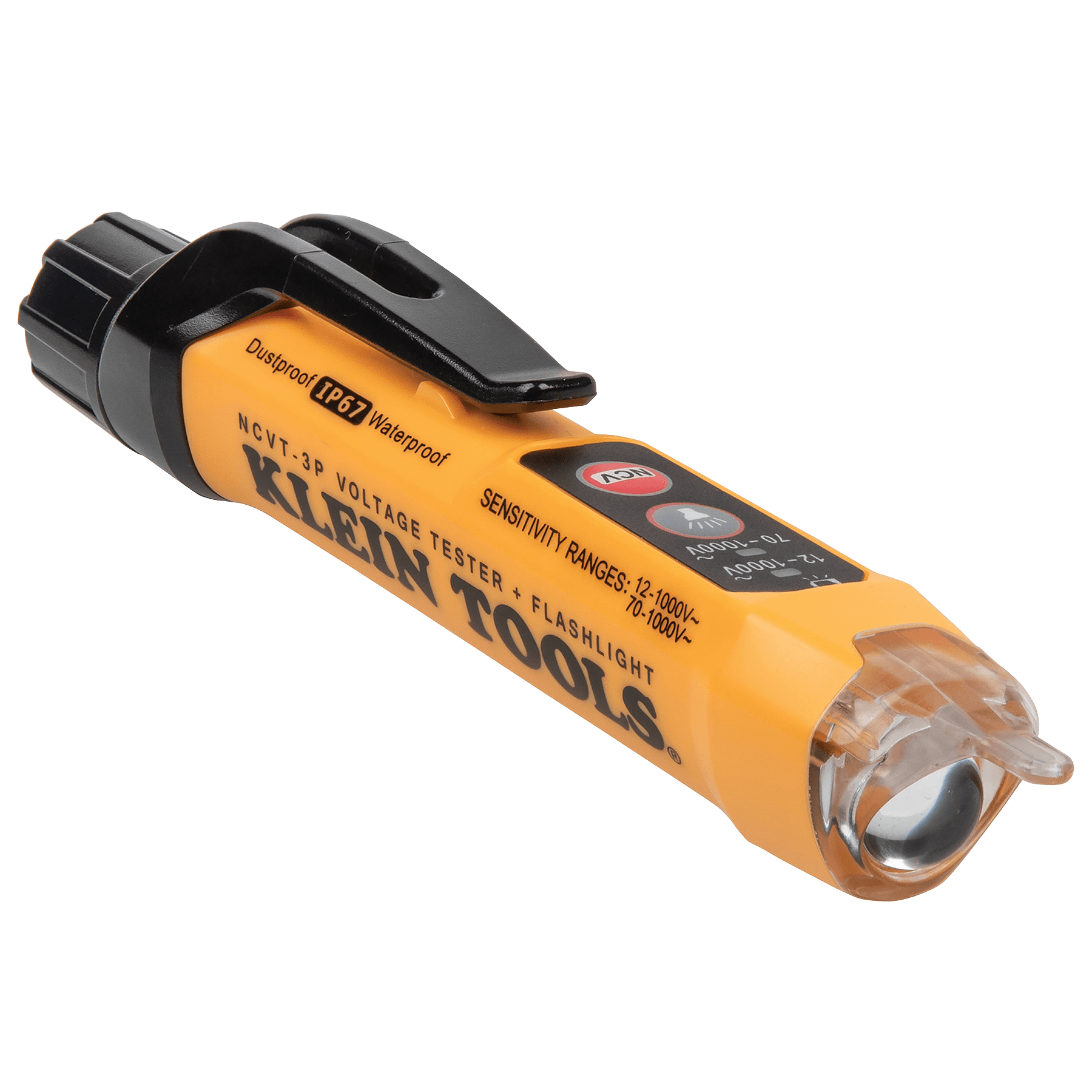
Klein Tools NCVT-3P Dual-Range Voltage Tester
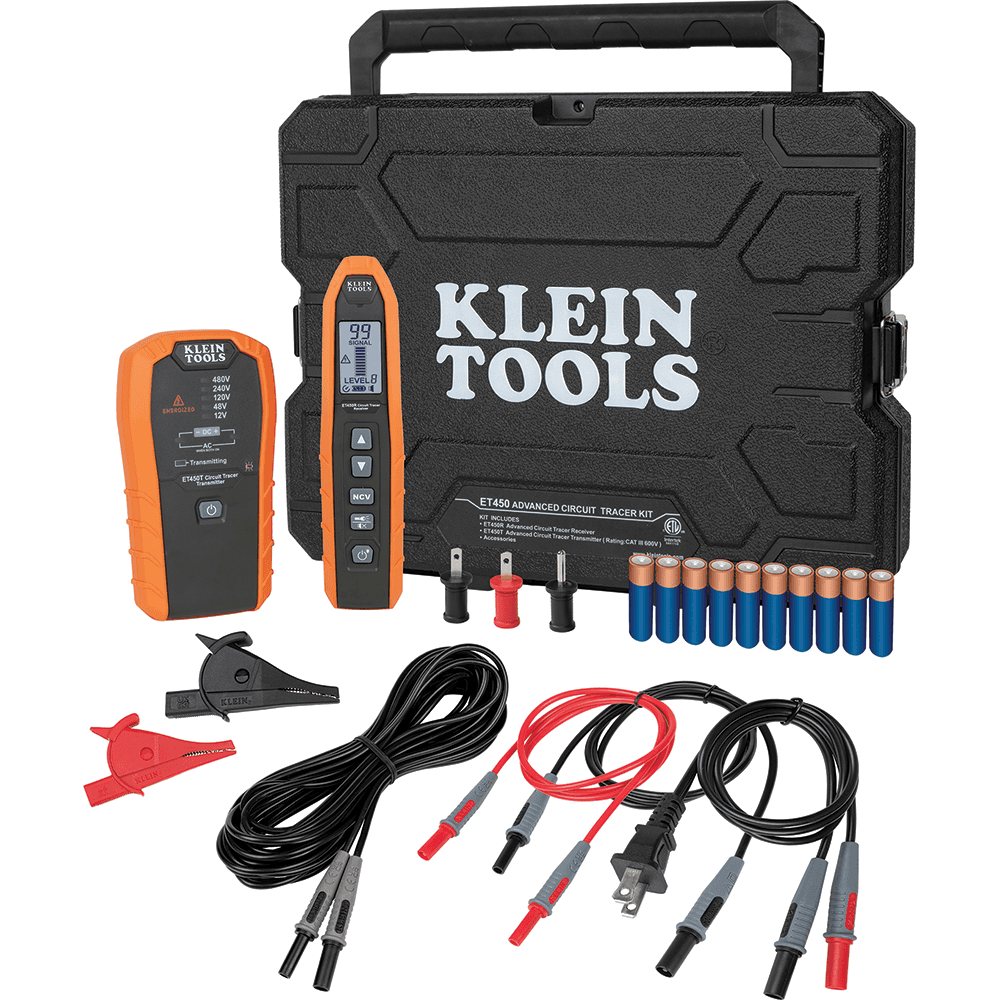
Klein Tools ET450 Advanced Circuit Tracer Kit
Record the circuits, access constraints and intended scope before choosing equipment. A rewire is a planned installation, not a service repair repeated in every room.
Match fishing tools to the approved route and building access. Concealed conditions and fire or structural requirements can change the plan; a tape is not proof of a clear path.
Choose supported drilling accessories, conductor-preparation tools and appropriate fastening equipment. Keep material capacities and terminal-torque requirements separate.
Separate frequently used hand tools from stock and heavier equipment. Lighting, labeling and documentation help keep the project traceable as work progresses.
Use the project’s required inspection and testing procedures. A handheld meter and plug-in tester do not constitute a complete installation certification kit.
These are organized by the part of the job they support. “Core” means we would prioritize it before the nice-to-have upgrades.
Research-based tool selection from manufacturer documentation. We have not hands-on tested these products. How we choose tools →
Multimeter
Use for supported measurements within the required procedure. Its low-impedance function can help investigate misleading readings; it does not replace every installation test.
Voltage indication
A screening tool can support the initial survey. Establish safe isolation with the appropriate procedure and instrument rather than relying on a pen indication.
Circuit tracer
Consider when identification extends beyond accessible receptacle circuits. The advanced tracer guide explains energized and non-energized applications and accessory limits.
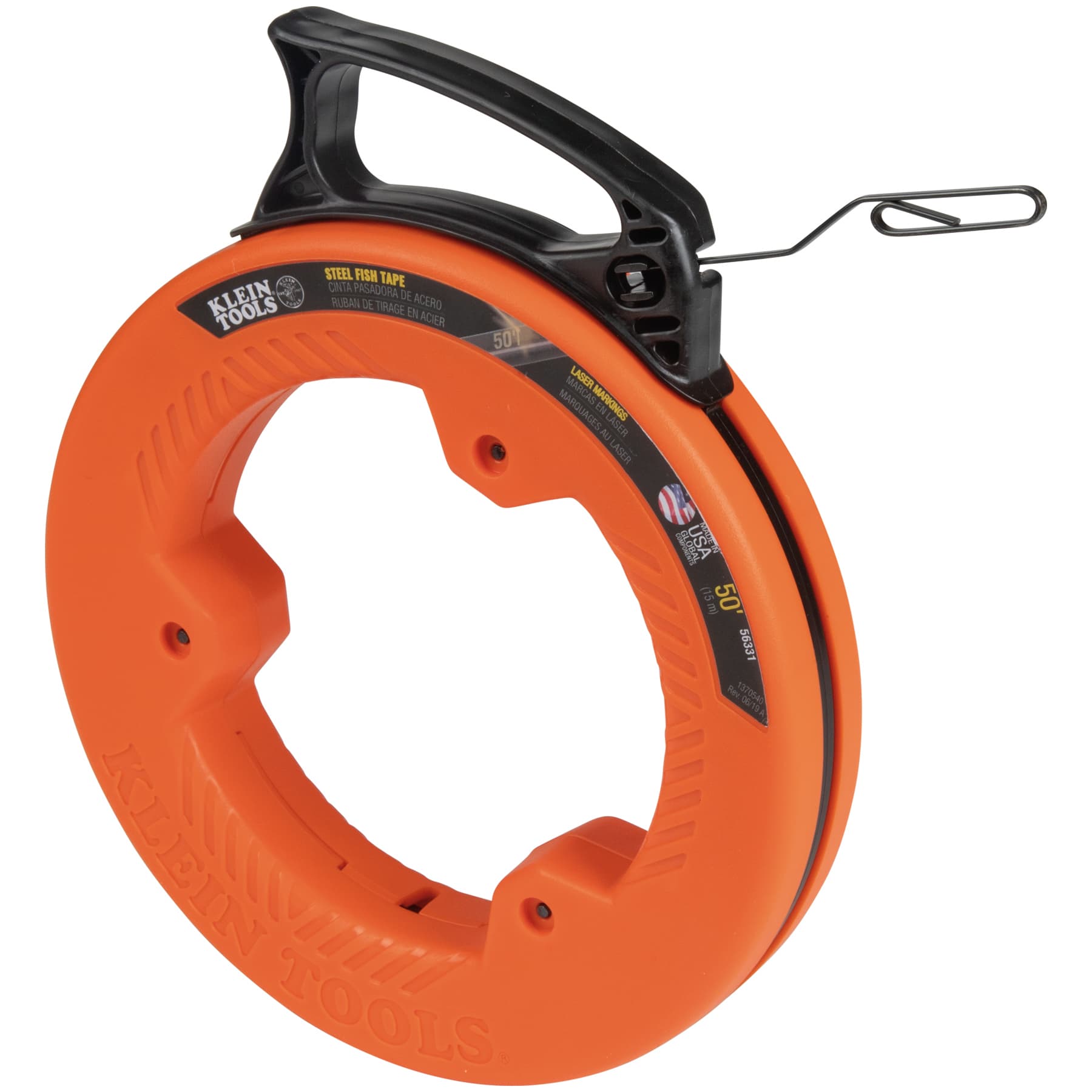
Fish tape / rods
Choose the tape or rod format after planning the route. The lead steel tape suits a supported short run; the guide includes longer and open-cavity alternatives.

Drill / driver
The installation-head lead pick suits access work. Compare the conventional hammer drills when supported hole-making matters, and add specialist rough-in equipment where needed.
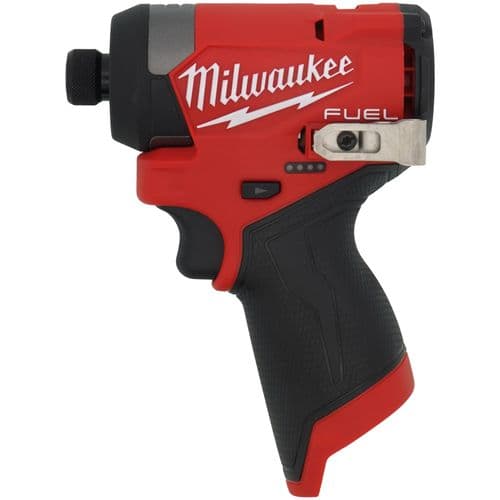
Impact driver
Useful for suitable mounting and construction fastening. It is not the tool for establishing specified electrical-terminal torque. Check the permitted fastening method.
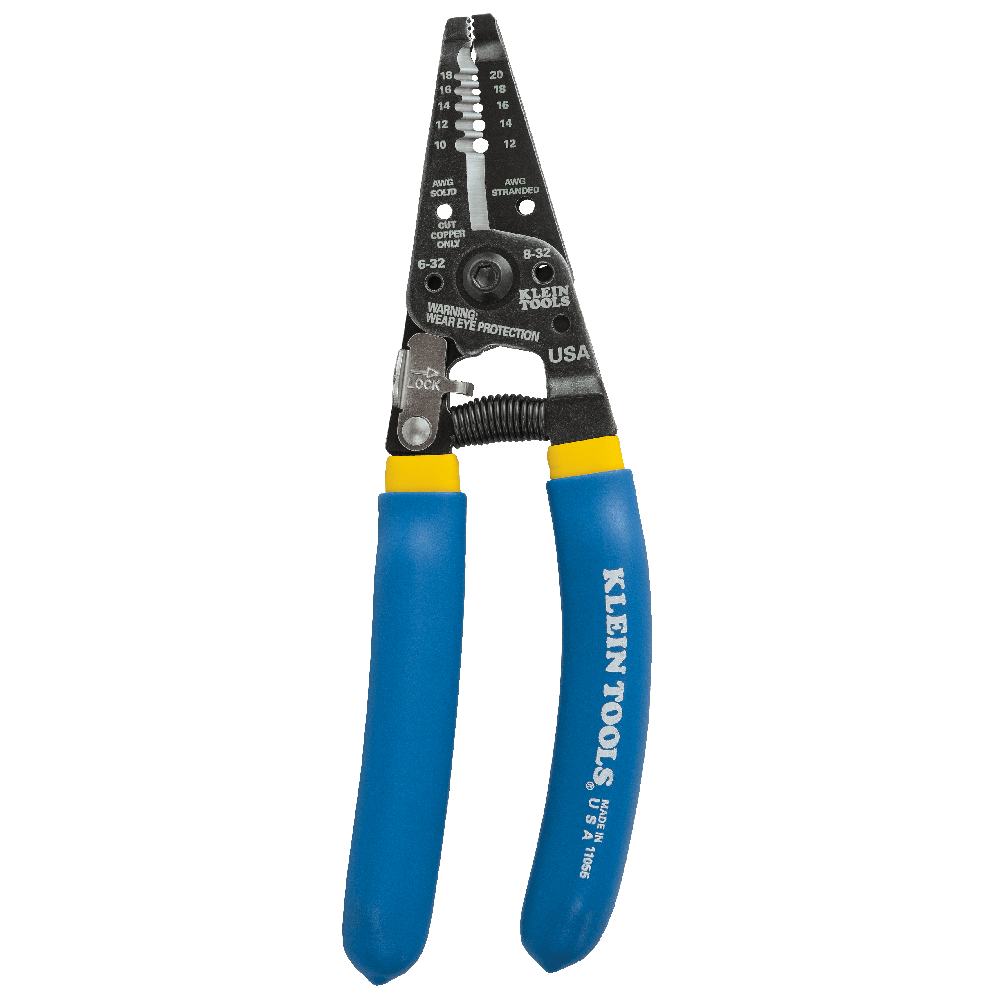
Wire stripper
Match solid or stranded conductor ranges to the actual material. Repeated compatible-wire preparation may justify an automatic alternative from the category guide.
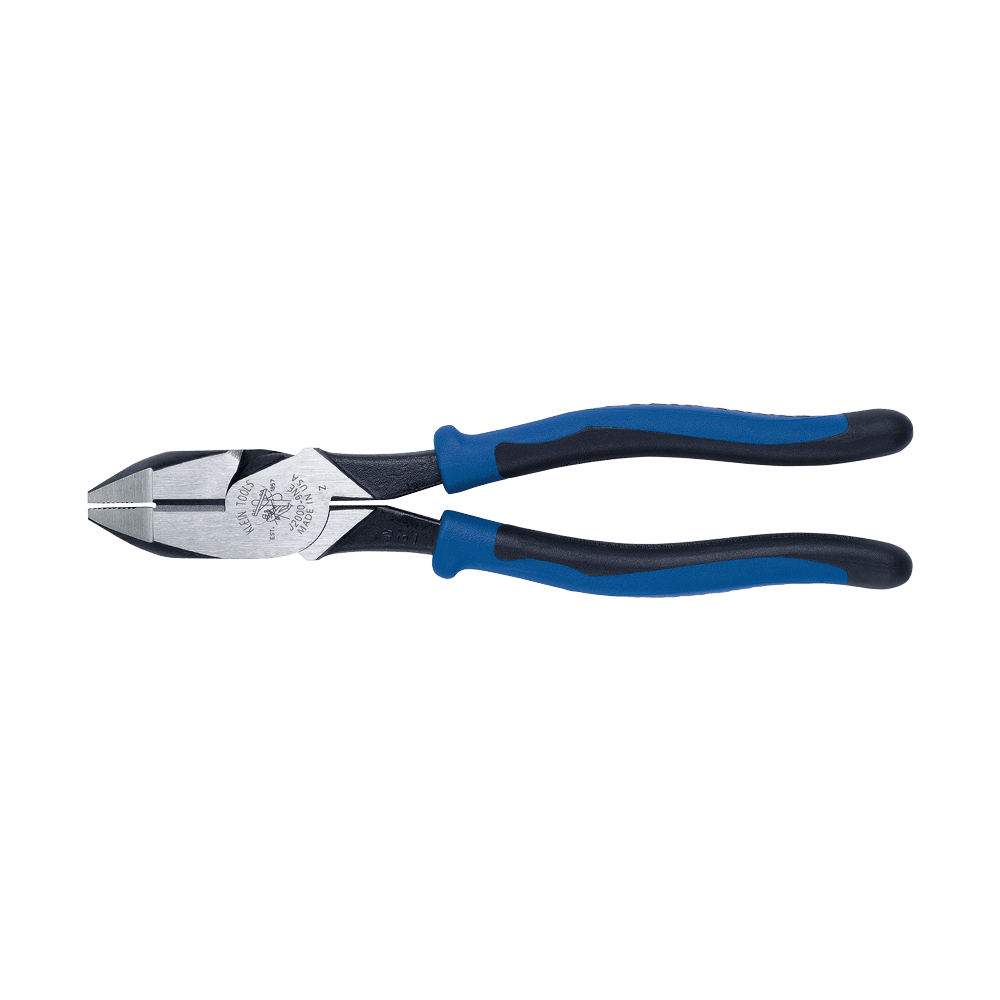
Lineman’s pliers
For permitted gripping and cutting tasks. Standard comfort handles are not electrical insulation, and the cutter must match the material.
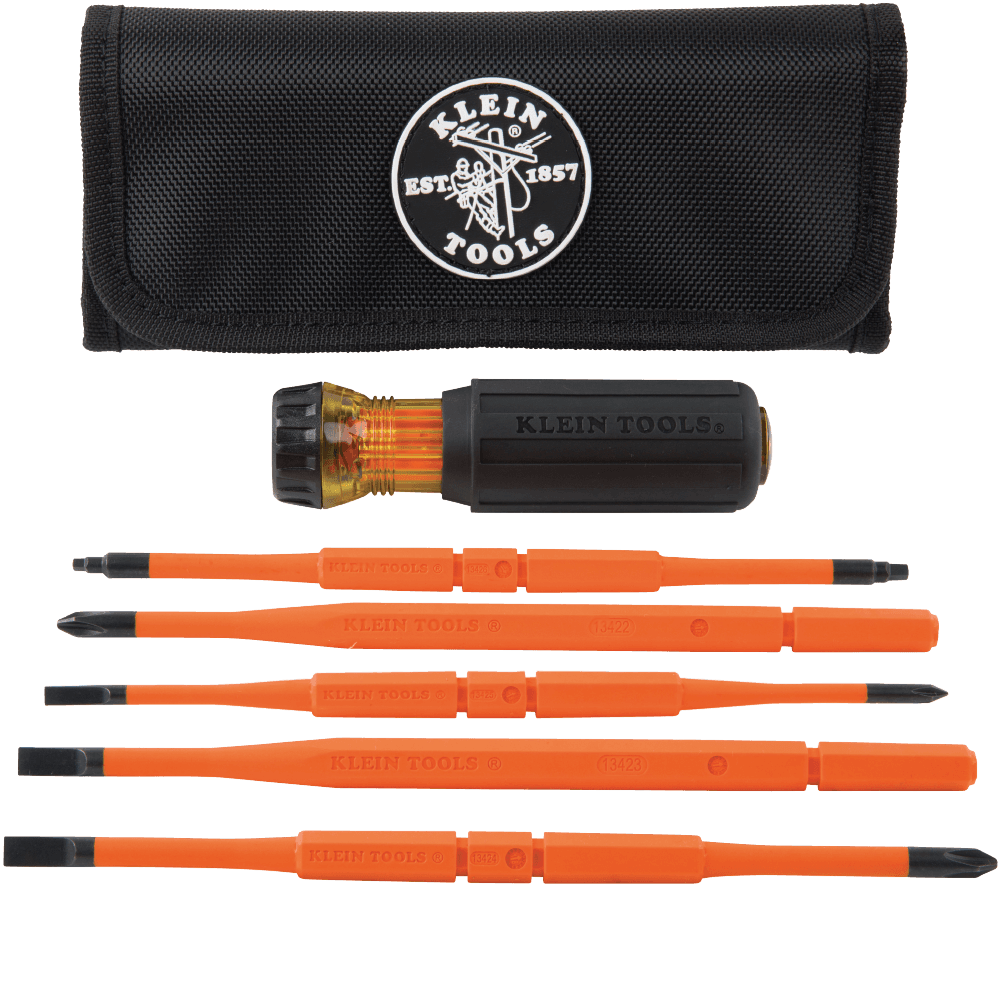
Screwdrivers
Select the required profiles and insulation. Add a suitable calibrated torque tool where equipment instructions specify terminal torque.
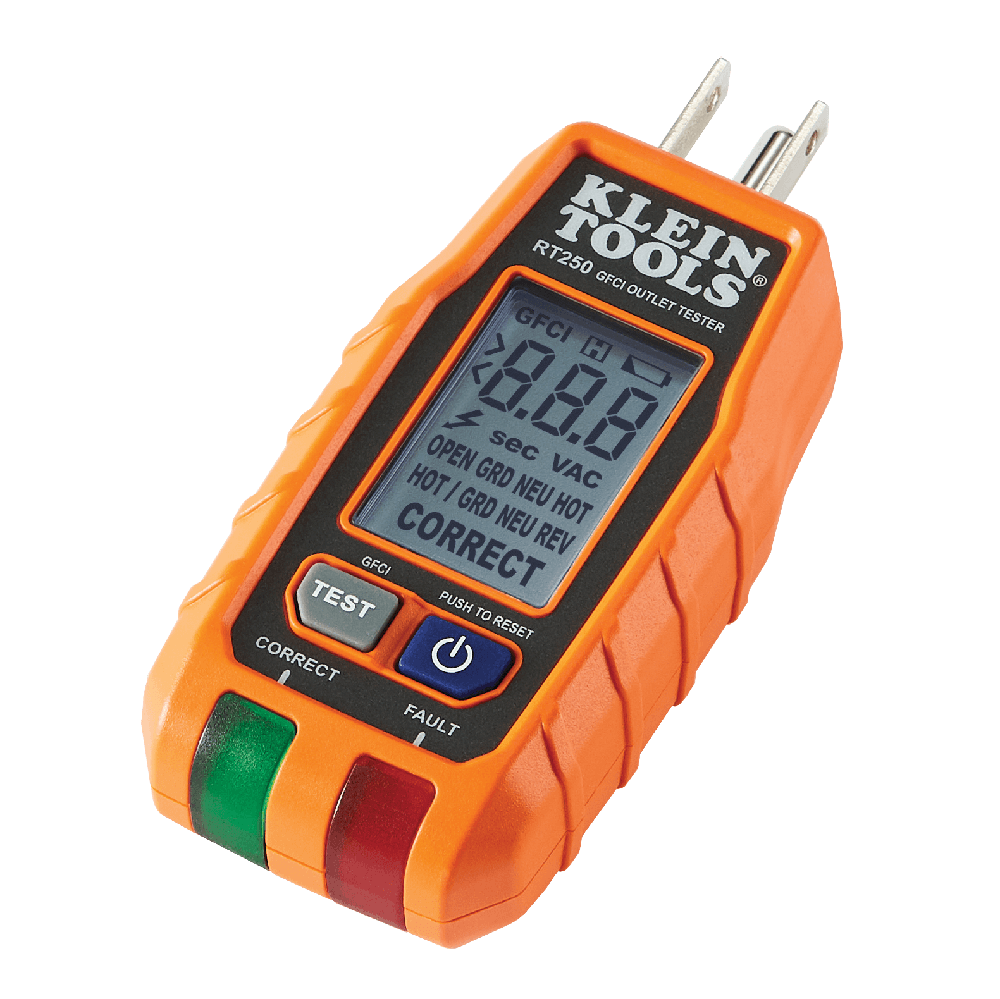
Receptacle tester
Supports its documented outlet and GFCI checks. It cannot rule out every wiring fault or replace the full project testing requirements.

Work light
Choose a compact service light for local work or a larger area light for installation coverage. Battery sharing helps only when charged packs are available.
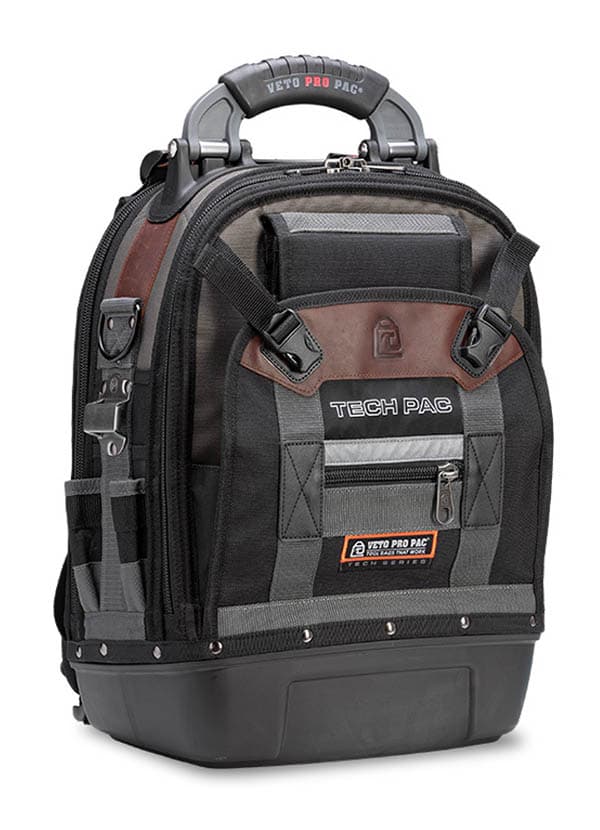
Tool backpack
Carry the everyday kit separately from materials and heavy tools. Check actual case and driver fit before deciding that a larger backpack is needed.
The first question is what lets you approach and verify the work safely, not which brand has the loudest launch campaign.
Tools earn a place when they remove guesswork, avoid a return to the van or help verify the repair before you leave.
Apprentices and working techs can see what is core, what is useful and what is an upgrade instead of buying everything at once.
Start with the project-required test equipment, hand tools, supported drilling tools, cable-routing equipment, lighting and labeling supplies. The building and testing requirements determine additional specialist tools.
Usually it needs additions for planned routes, repeated installation work and the required verification. Do not confuse a repair bag with a complete installation kit.
No. Confirm employer-provided equipment and your actual tasks. Hire, shared equipment or a later purchase may suit infrequent specialist work.