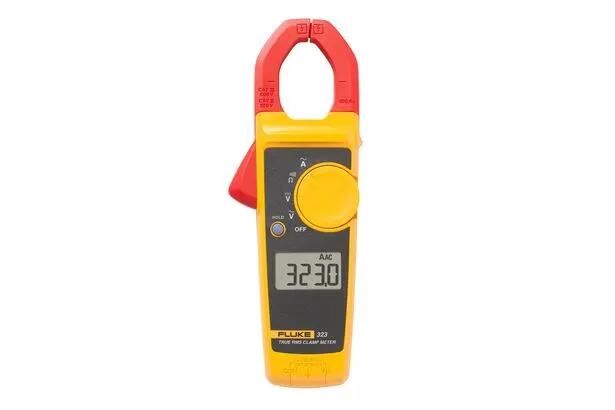
Where 323 True-RMS Clamp Meter fits in the kit
For a residential service bag, the 323 has a clear division of labor: the clamp checks load while the main multimeter handles the wider diagnostic questions. This is most persuasive when you already carry a meter you like. It is less persuasive if you expect one purchase to cover temperature, DC current and every maintenance scenario. List the measurements that recur in your own jobs before choosing the simplest model.
The decision that matters
The 325 is the direct alternative within the same family because it adds DC jaw current and other measurements. Klein CL390 also deserves comparison if DC is needed. The 323 should therefore be chosen for its focused capability, rather than described as a universally best clamp. We have not evaluated jaw access, response time or long-term calibration stability in field use.
Alternatives and purchase checks
A clamp’s maximum current does not tell you how precisely it resolves a small load. Read the ranges and accuracy conditions in the manual, and consider whether the conductor can be accessed under the permitted work procedure. The combination of meter, leads and measurement environment determines suitability. This review is a purchase assessment, not a procedure for testing energized equipment.
A buying example: current checks without duplicating the whole meter
Suppose your regular service kit already contains a multimeter that covers the measurements you use, but load-related calls repeatedly require a suitable AC clamp. In that case the 323 has a defined addition to make. If the work also involves DC current, the same purchase logic points away from it and toward 325 or CL390. Do not buy a simpler jaw and hope another dial position changes its current capability. The comparison should include the actual current ranges and published accuracy conditions as well as the required instrument and lead ratings. We have not independently established an accuracy advantage over the alternatives.