1. Make safe
Confirm the work area, isolate where required and verify before touching conductors or equipment.
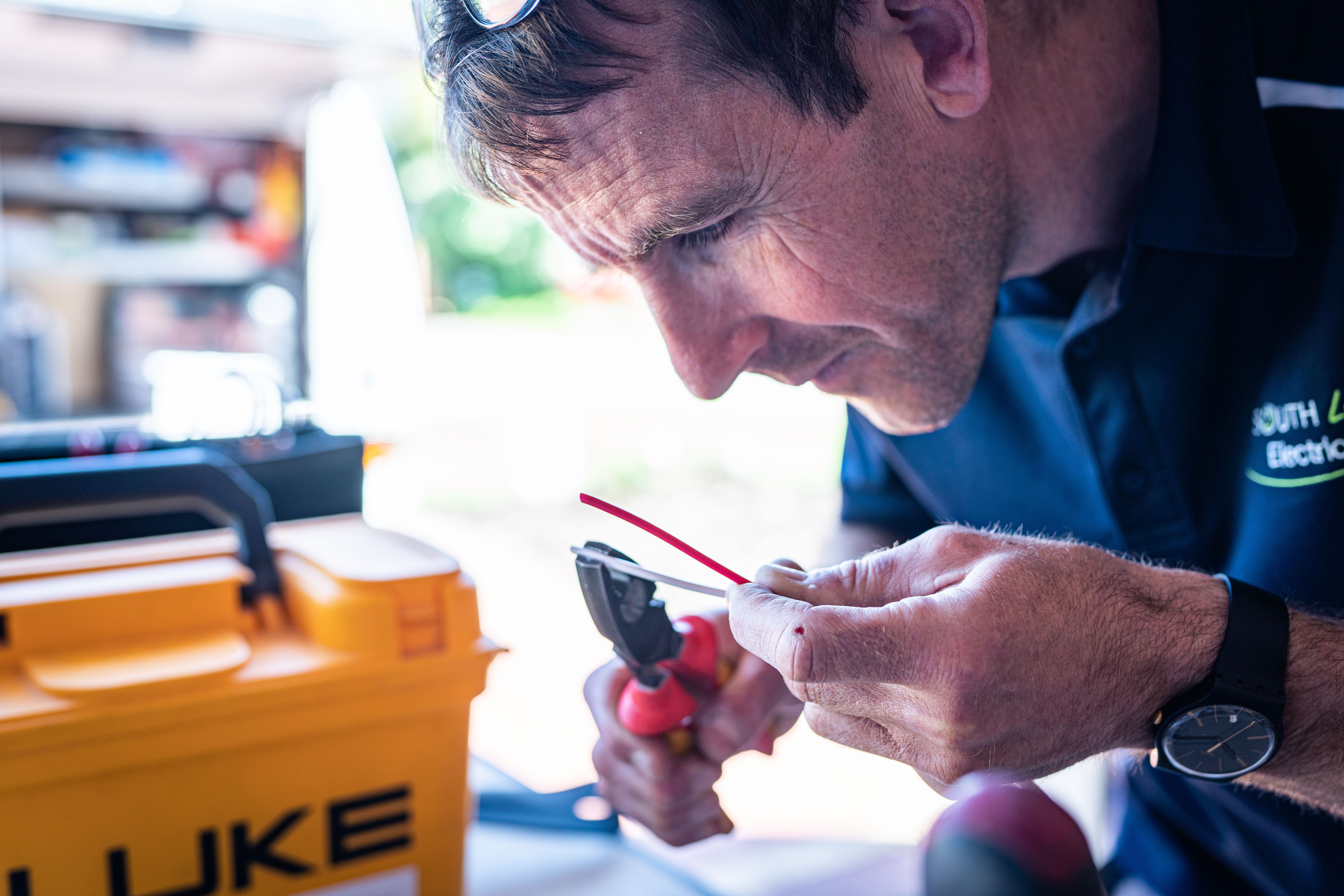
A workflow-based electrician service-call tool kit for residential troubleshooting: safety checks, fault finding, circuit identification, repair and final verification.
A good service-call kit is not the biggest bag in the van. It is the smallest dependable set of tools that lets you make the circuit safe, measure what is happening, identify the fault, complete the common repair and prove the job is safe before you leave.
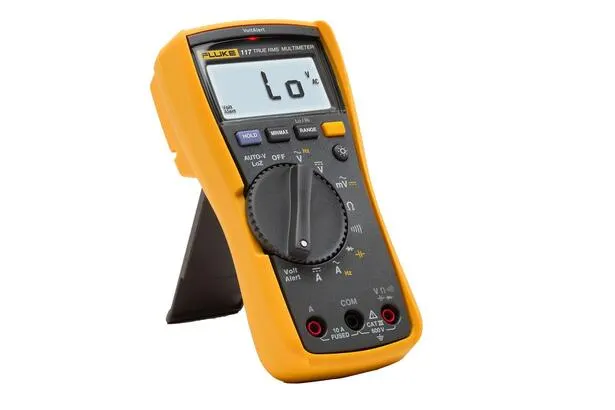
Fluke 117 Electrician's Multimeter
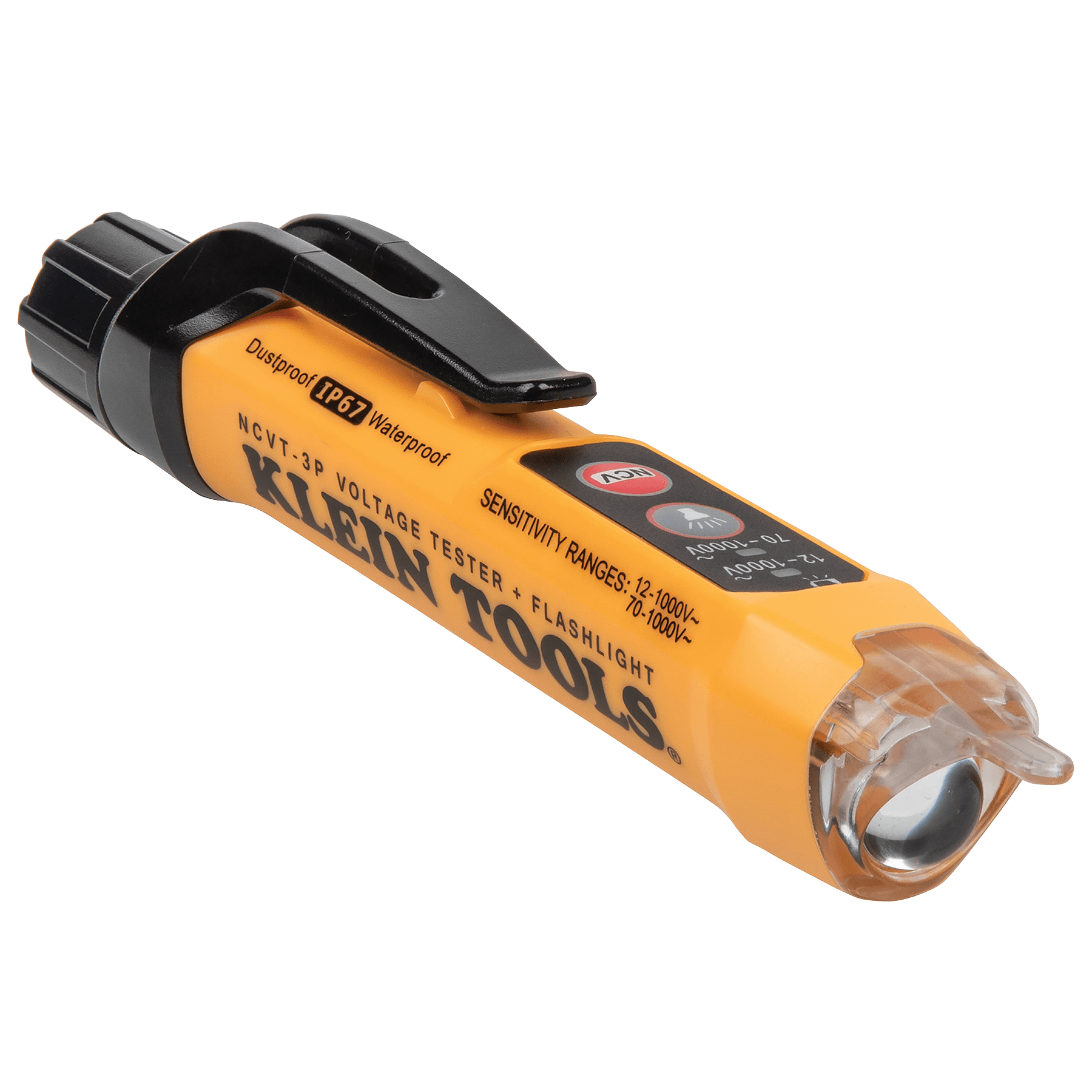
Klein Tools NCVT-3P Dual-Range Voltage Tester
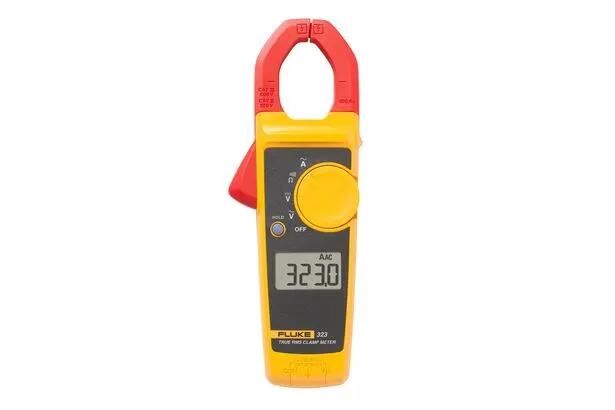
Fluke 323 True-RMS Clamp Meter
Confirm the work area, isolate where required and verify before touching conductors or equipment.
Use the meter, clamp meter and simple testers to turn a vague symptom into measurements you can act on.
Trace the circuit, locate the right breaker and confirm outlets, switches and downstream devices.
Handle the everyday cutting, stripping, fastening and connection work without returning to the van for basics.
Retest the circuit, confirm operation and leave the customer with a clear explanation of what was found and changed.
These are organized by the part of the job they support. “Core” means we would prioritize it before the nice-to-have upgrades.
Research-based tool selection from manufacturer documentation. We have not hands-on tested these products. How we choose tools →
Digital multimeter
A strong everyday electrical meter for service work where voltage, continuity, resistance, capacitance and frequency measurements are part of the diagnosis.
Non-contact voltage tester
Fast first-pass voltage indication and a useful pocket tool before deeper testing. It does not replace proper absence-of-voltage verification where that is required.
Clamp meter
Lets a technician check current without breaking the circuit, useful when the complaint is load-related or intermittent.
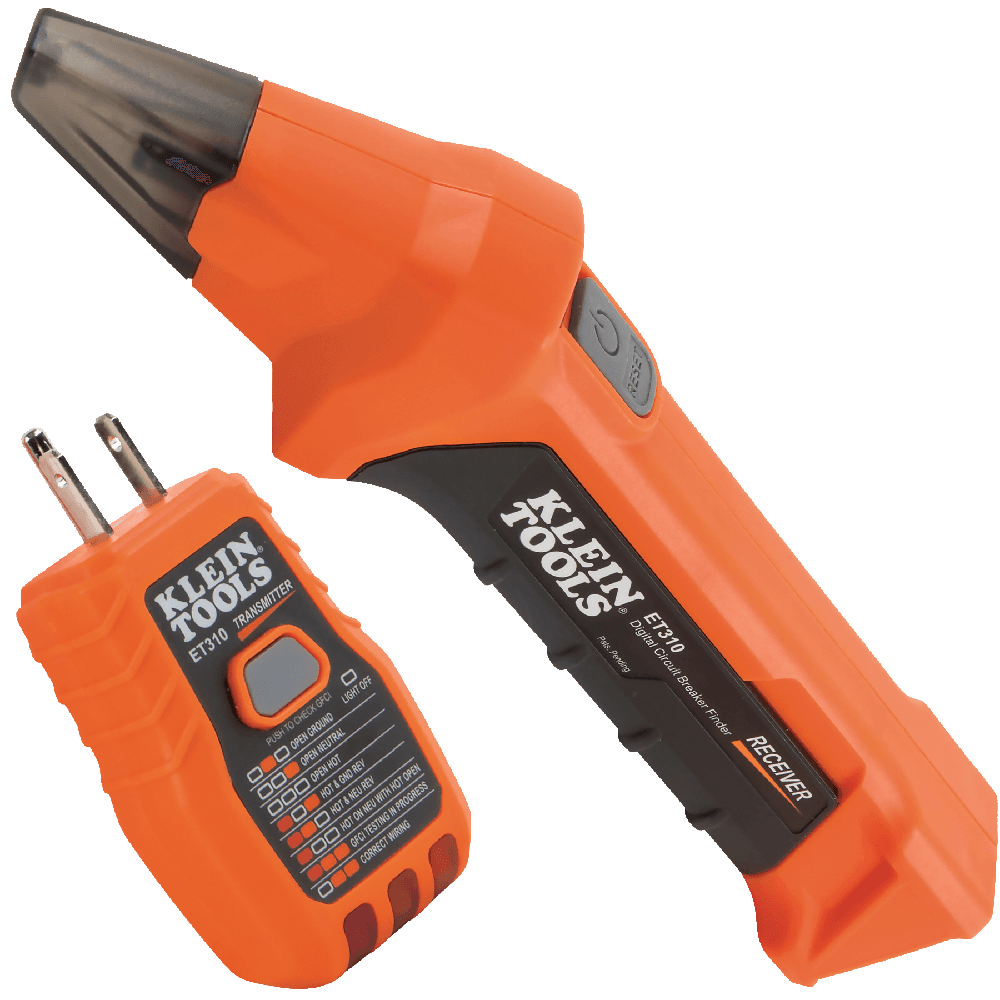
Circuit breaker finder
Useful when panel labels are poor or the customer cannot identify the circuit, reducing trial-and-error at the panel.
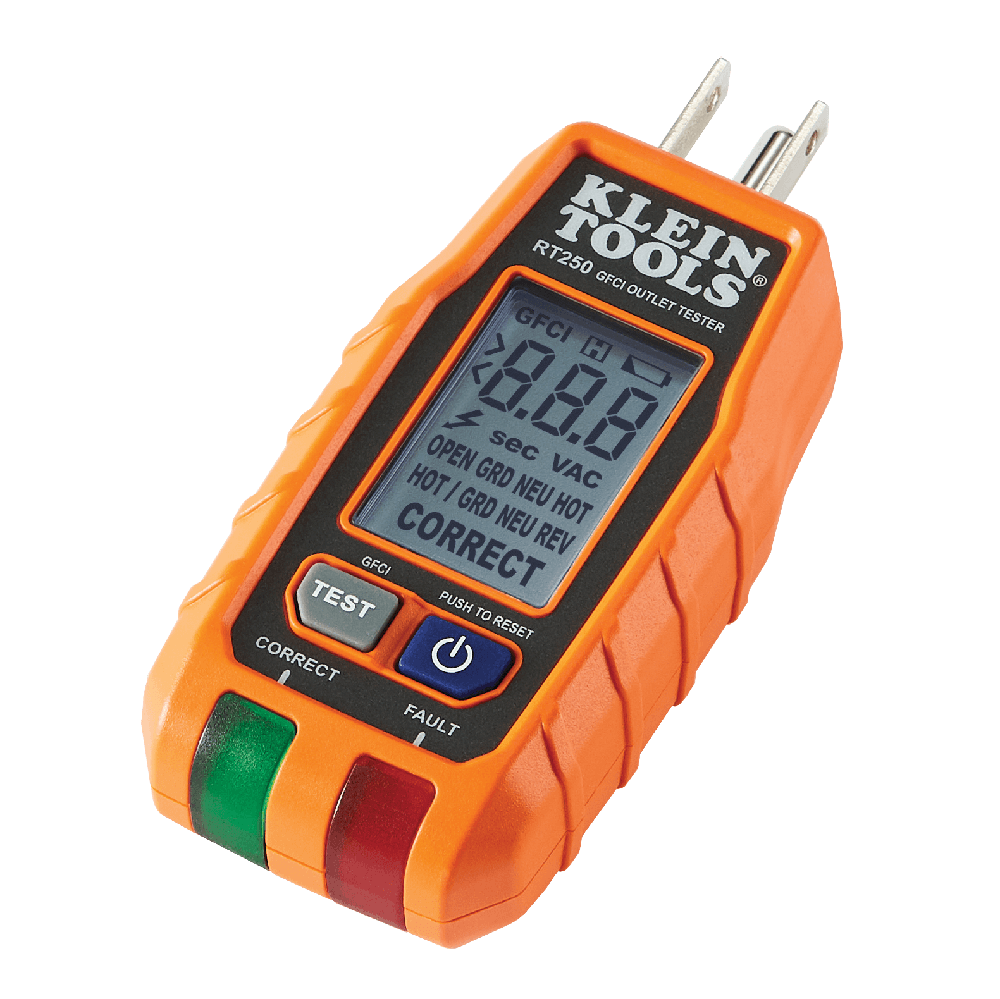
Receptacle / GFCI tester
A quick outlet-side check for common wiring conditions and GFCI testing after work on receptacle circuits.
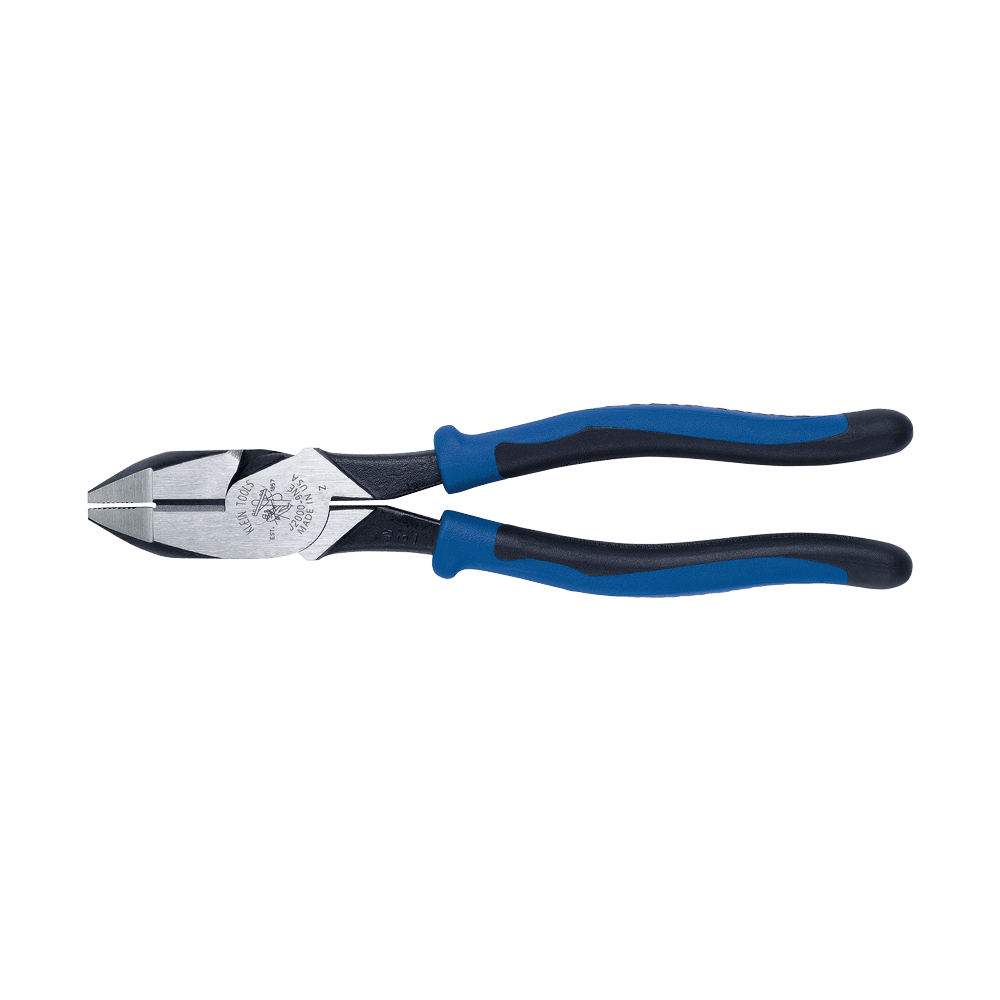
Lineman’s pliers
The everyday gripping, twisting and cutting tool that earns a permanent place in a residential service bag.
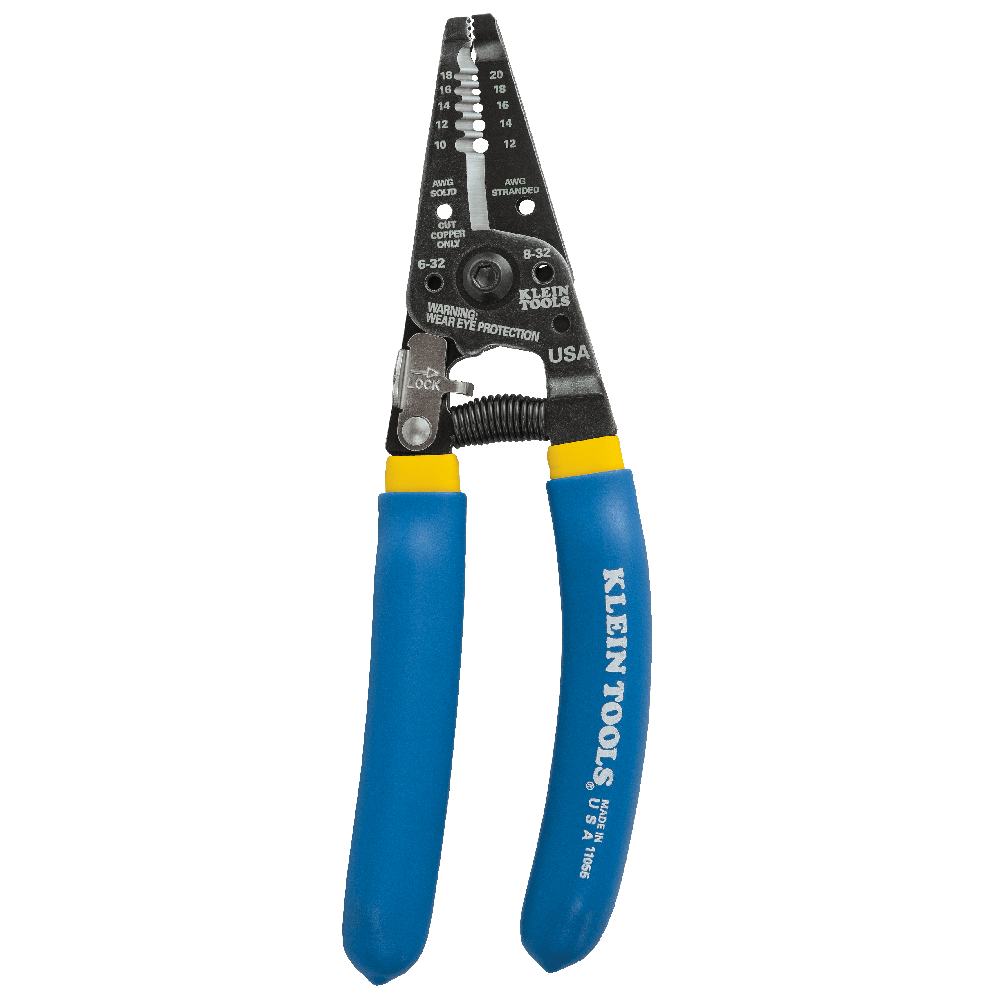
Wire stripper
Covers the common stripping and cutting work that follows once the fault is found and a device or conductor needs attention.

Compact driver
A compact cordless option for device swaps, boxes, covers and lighter fastening work where a full-size drill can be awkward.

Work light
Service calls regularly end up in panels, basements, crawlspaces and utility rooms where good task lighting is part of doing careful work.
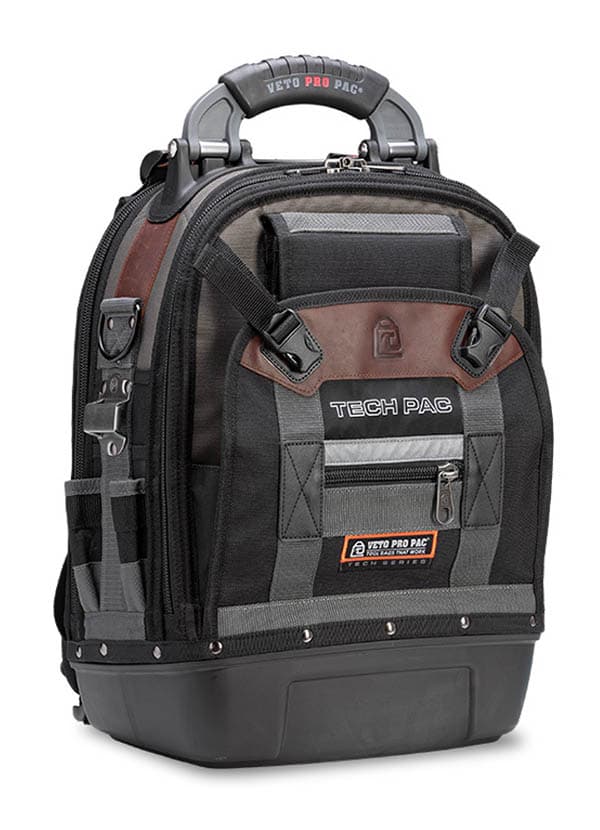
Tool bag
A structured backpack can keep test gear, hand tools and small service items visible and separated so the call does not turn into a search through one deep bag.
The first question is what lets you approach and verify the work safely, not which brand has the loudest launch campaign.
Tools earn a place when they remove guesswork, avoid a return to the van or help verify the repair before you leave.
Apprentices and working techs can see what is core, what is useful and what is an upgrade instead of buying everything at once.
At minimum, carry a dependable meter, voltage tester, core hand tools, stripping/cutting tools, outlet-testing gear, lighting and the small fastening tools needed for common device repairs. Add tracing and clamp-meter equipment when fault finding is a regular part of the work.
Not for every call, but they solve different problems. A multimeter handles a broad range of electrical measurements; a clamp meter is especially useful when current draw matters and you want to measure without opening the circuit.
No. Start with the core hand tools and test equipment required by your employer or training program. Add specialty diagnostic tools as the work you actually perform justifies them.
No. Treat it as a convenient screening tool, not a universal substitute for the safe isolation and verification procedure required for the task, workplace and jurisdiction.
Because service work is a sequence: make safe, diagnose, identify, repair and verify. Organizing recommendations around that sequence makes it easier to see why a tool deserves space in the bag.