1. Write the daily call list
Identify the tools repeatedly used on your actual service work. Separate occasional equipment from items needed to assess most calls.
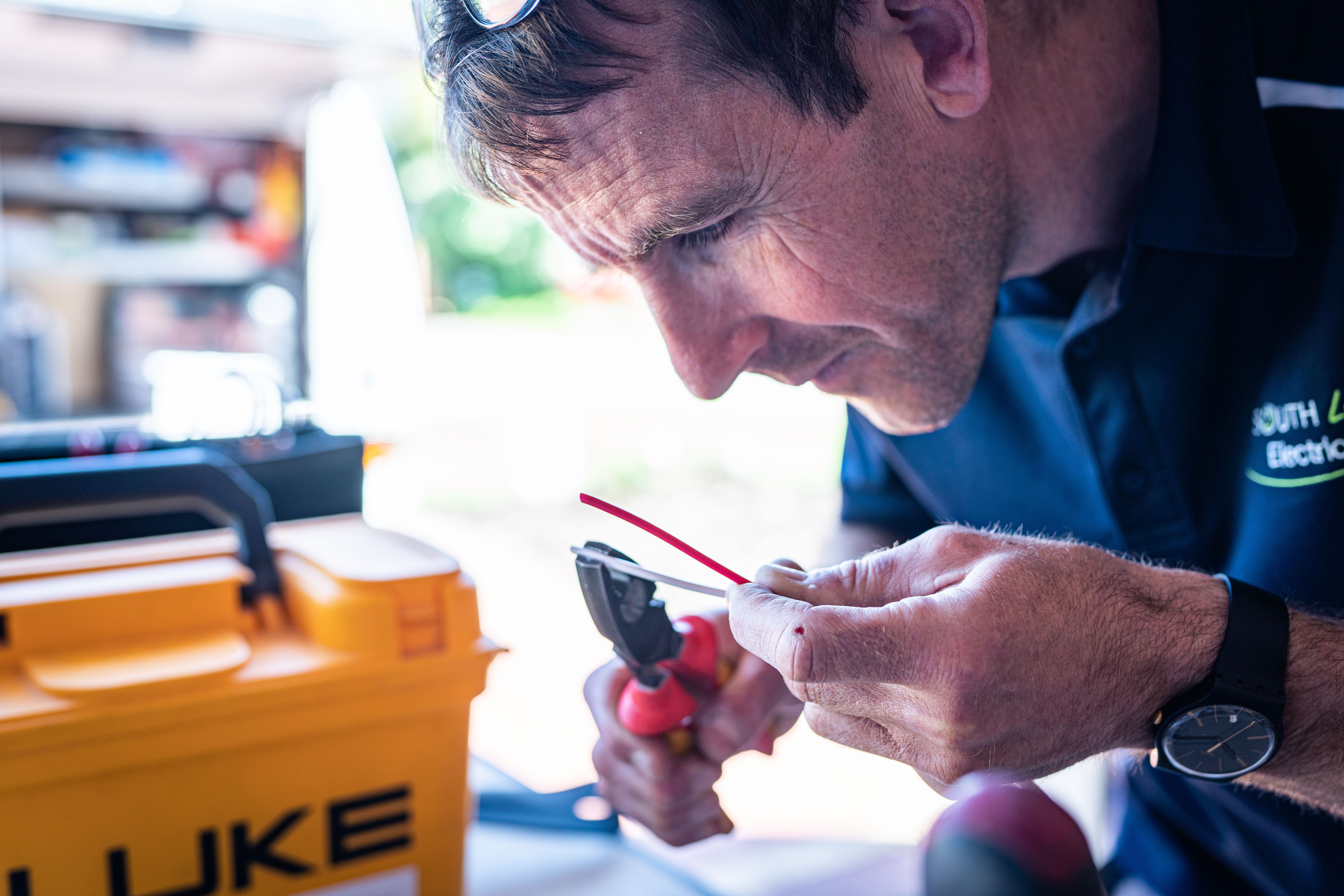
Organize an electrician’s van and service bag into daily test tools, hand tools, power equipment, consumables and specialist gear. Avoid carrying every tool on every call.
Organize around what leaves the van on a normal call. Keep the daily measurement and hand-tool kit easy to check, stock separate and specialist equipment identifiable when needed. This guide recommends tool-storage roles rather than vehicle shelving products, and does not specify payload, mounting or transport restraints for a particular van.
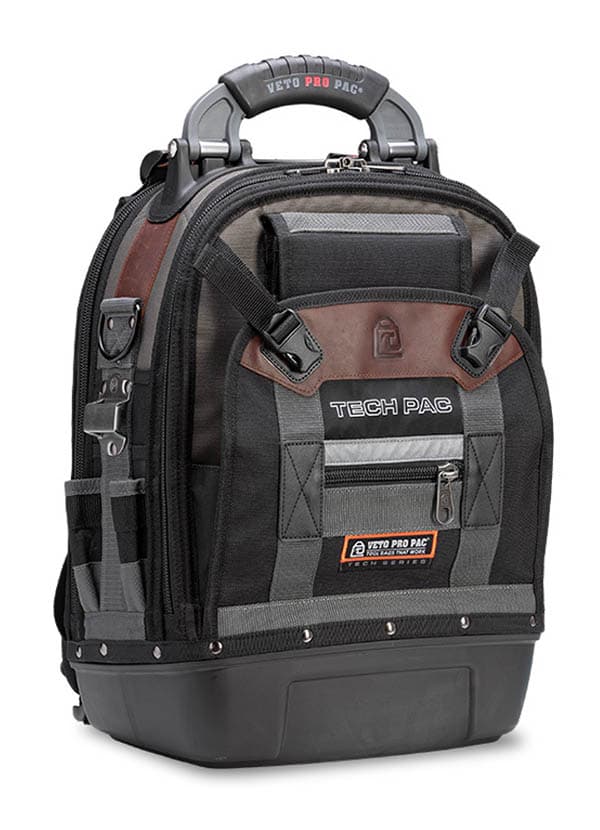
Veto Pro Pac TECH PAC Tool Backpack
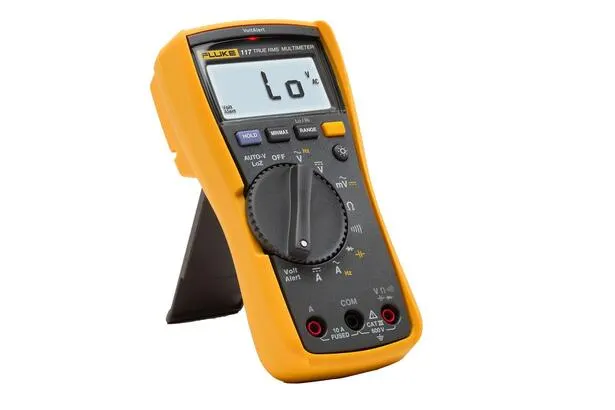
Fluke 117 Electrician's Multimeter
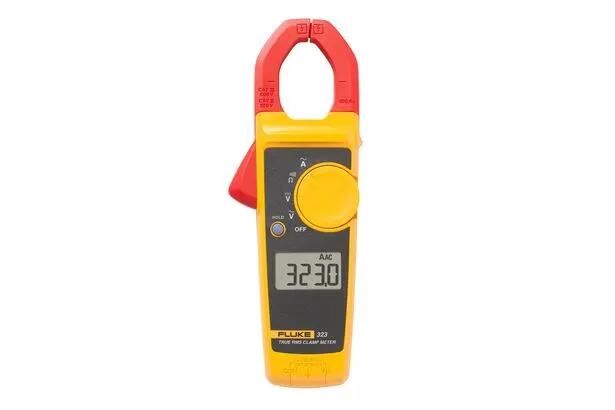
Fluke 323 True-RMS Clamp Meter
Identify the tools repeatedly used on your actual service work. Separate occasional equipment from items needed to assess most calls.
Keep meters and leads appropriately protected and inspectable. A bag pocket does not replace the instrument’s protective case or care instructions.
Arrange preparation tools and driver profiles so missing items are obvious. Keep fastener consumables and sharp tools from interfering with instrument storage.
Plan compatible batteries and chargers, and separate materials from carried tools. Follow battery and vehicle-storage instructions rather than improvising a charging arrangement.
Use recurring missing-tool trips to adjust the carried list. Do not solve every occasional need by adding weight to the everyday backpack.
These are organized by the part of the job they support. “Core” means we would prioritize it before the nice-to-have upgrades.
Research-based tool selection from manufacturer documentation. We have not hands-on tested these products. How we choose tools →
Tool backpack
Choose from the actual carried tool list and case dimensions. The premium lead is a layout candidate; simpler bags can fit a smaller service load.
Multimeter
Protect the instrument and leads and keep the documented ratings visible. Select the meter for the work rather than matching the bag’s available pocket size.
Clamp meter
Carry when current diagnostics are routine. If rarely needed, store it as an identifiable specialty item rather than adding it to every call.
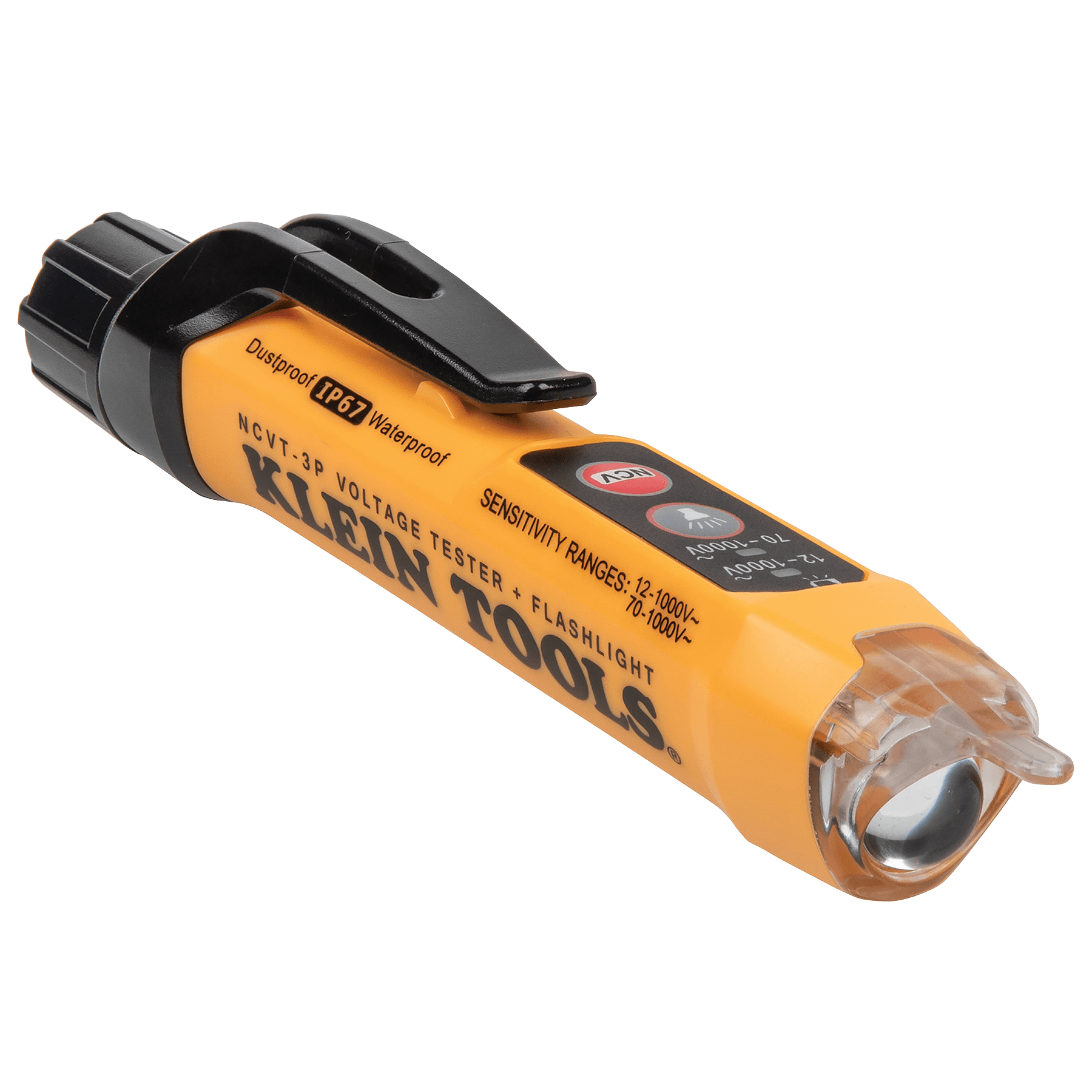
Voltage indication
Keep the supplementary screening tool easy to inspect and find. It is not the sole verification instrument for establishing safe work conditions.
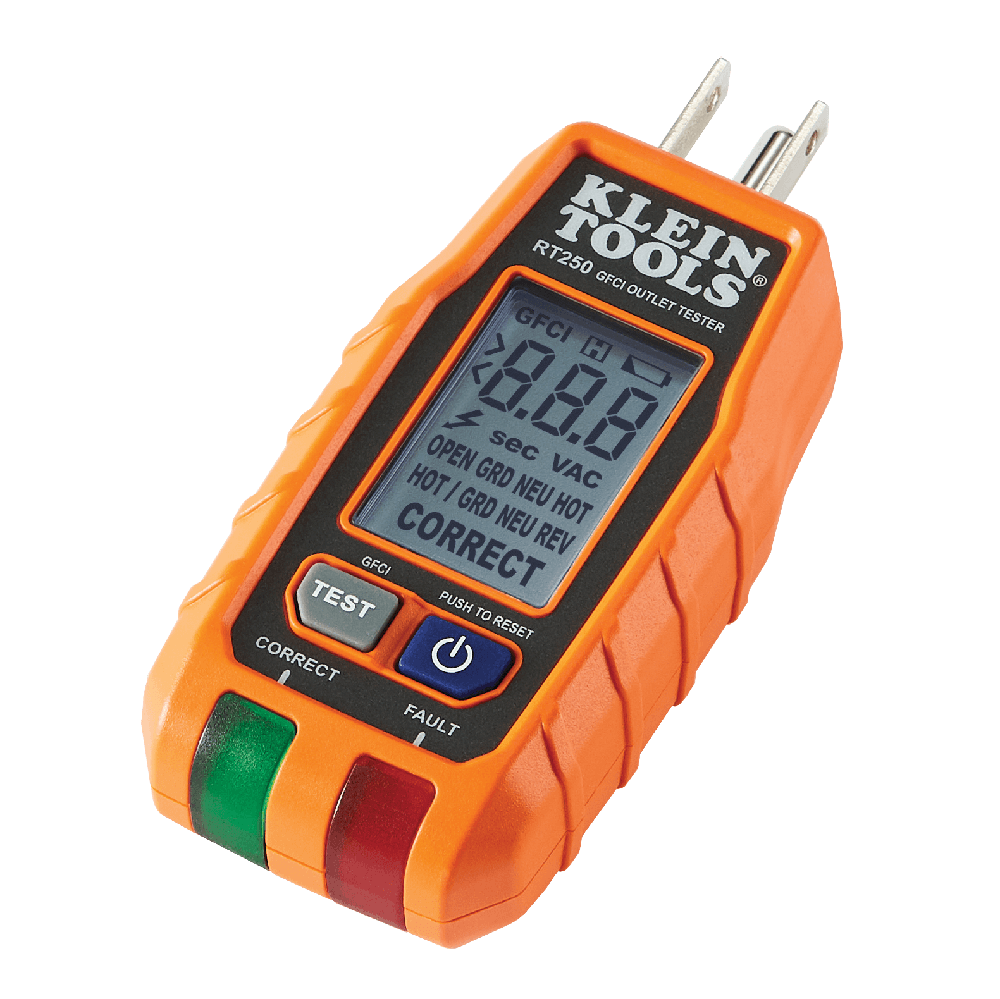
Receptacle tester
For supported outlet checks on relevant calls. Group it with the equipment needed for the required verification procedure.
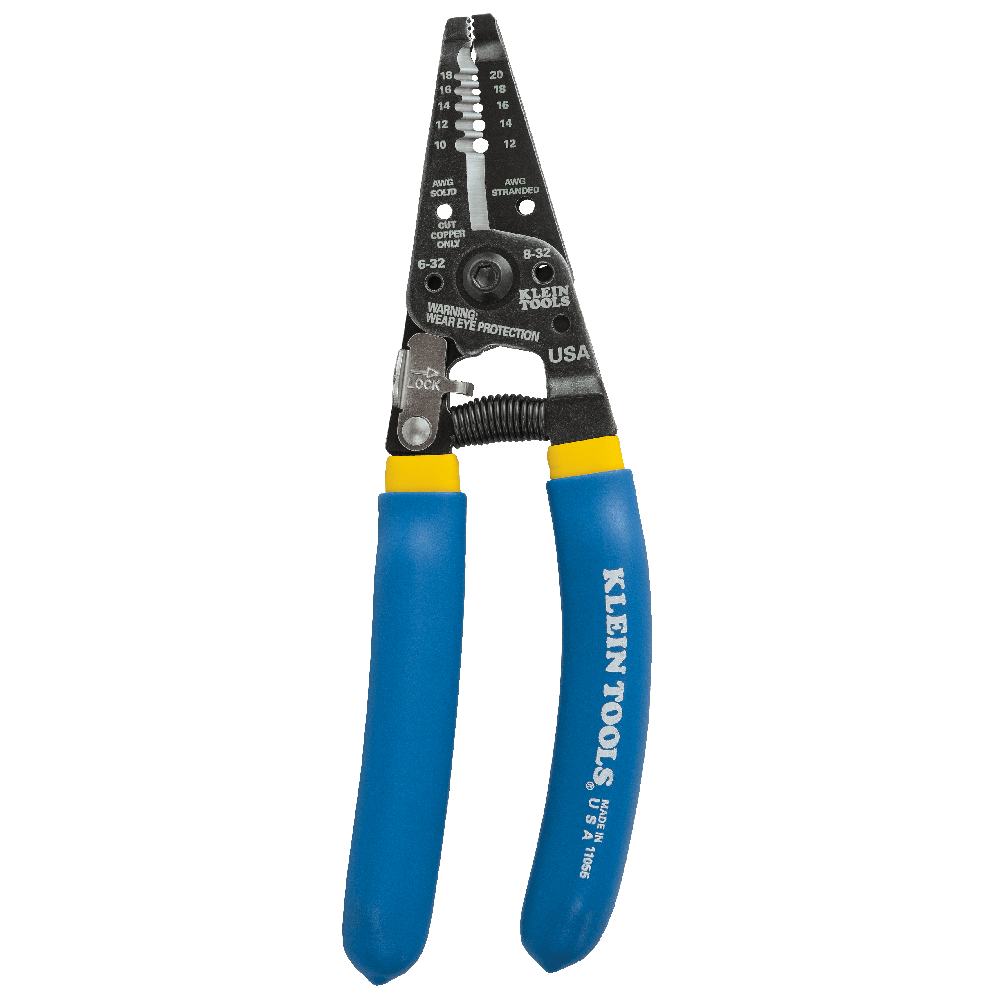
Wire stripper
Give the everyday preparation tool a consistent position and select coverage for the work. Specialized cable tools can remain in a separate task kit.
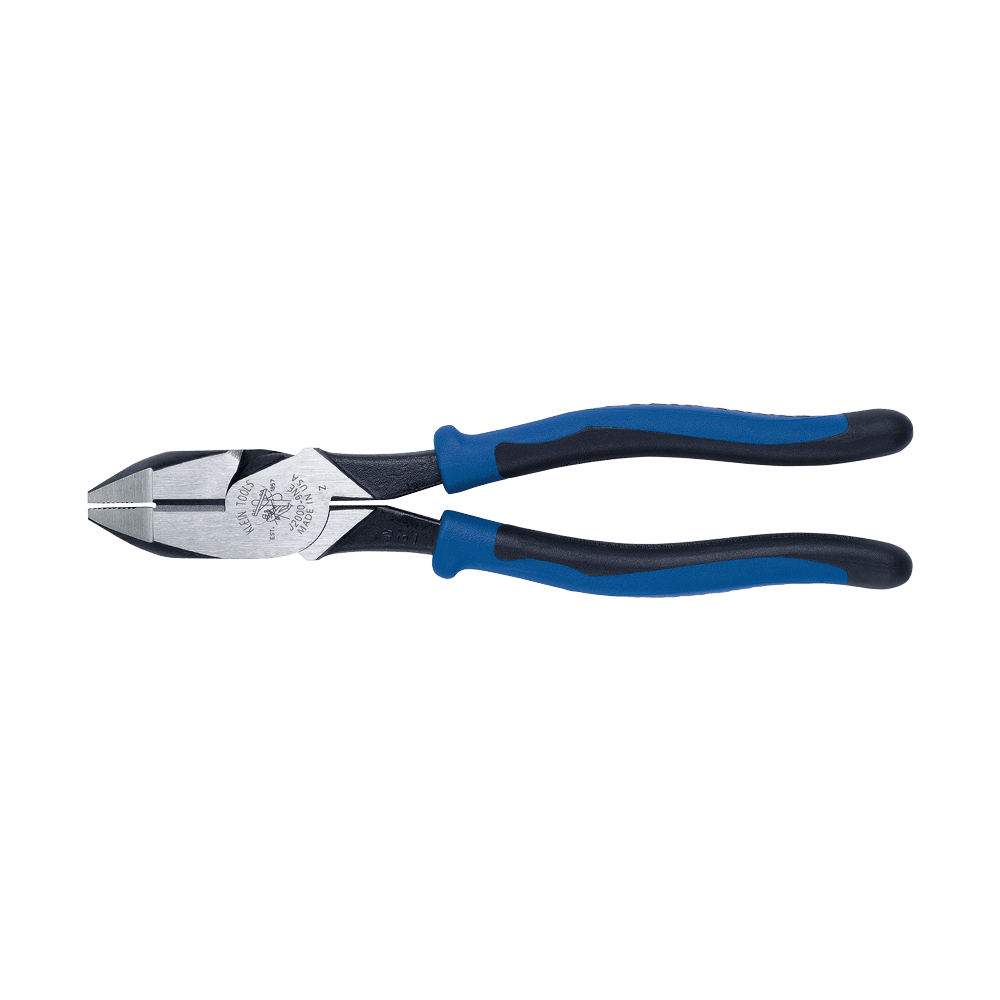
Pliers
Check material capacity and keep cutting edges from damaging leads or cases. Standard covered handles do not make this an insulated-tool choice.
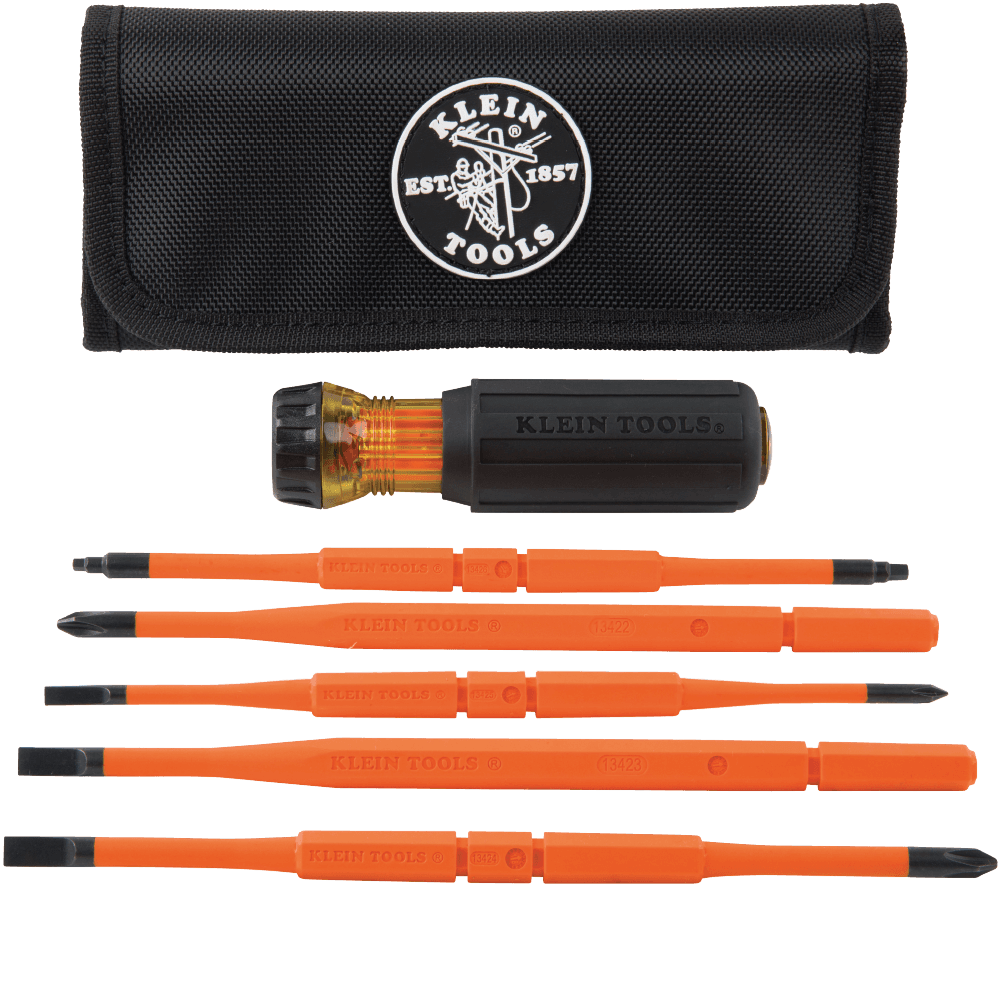
Driver system
Keep compatible blades and bits together. Specified-torque tools and profiles should remain identifiable rather than mixed with generic mounting bits.

Installation drill/driver
Carry the access driver when service tasks justify it. Keep heavier drilling equipment and appropriate accessories separate until the job needs them.
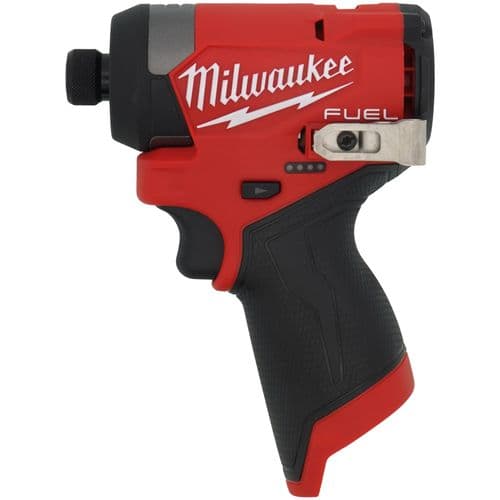
Impact driver
Add for recurring suitable fastening tasks. Battery sharing can simplify stock after the platform is chosen, but it is not permission to impact-tighten terminals.
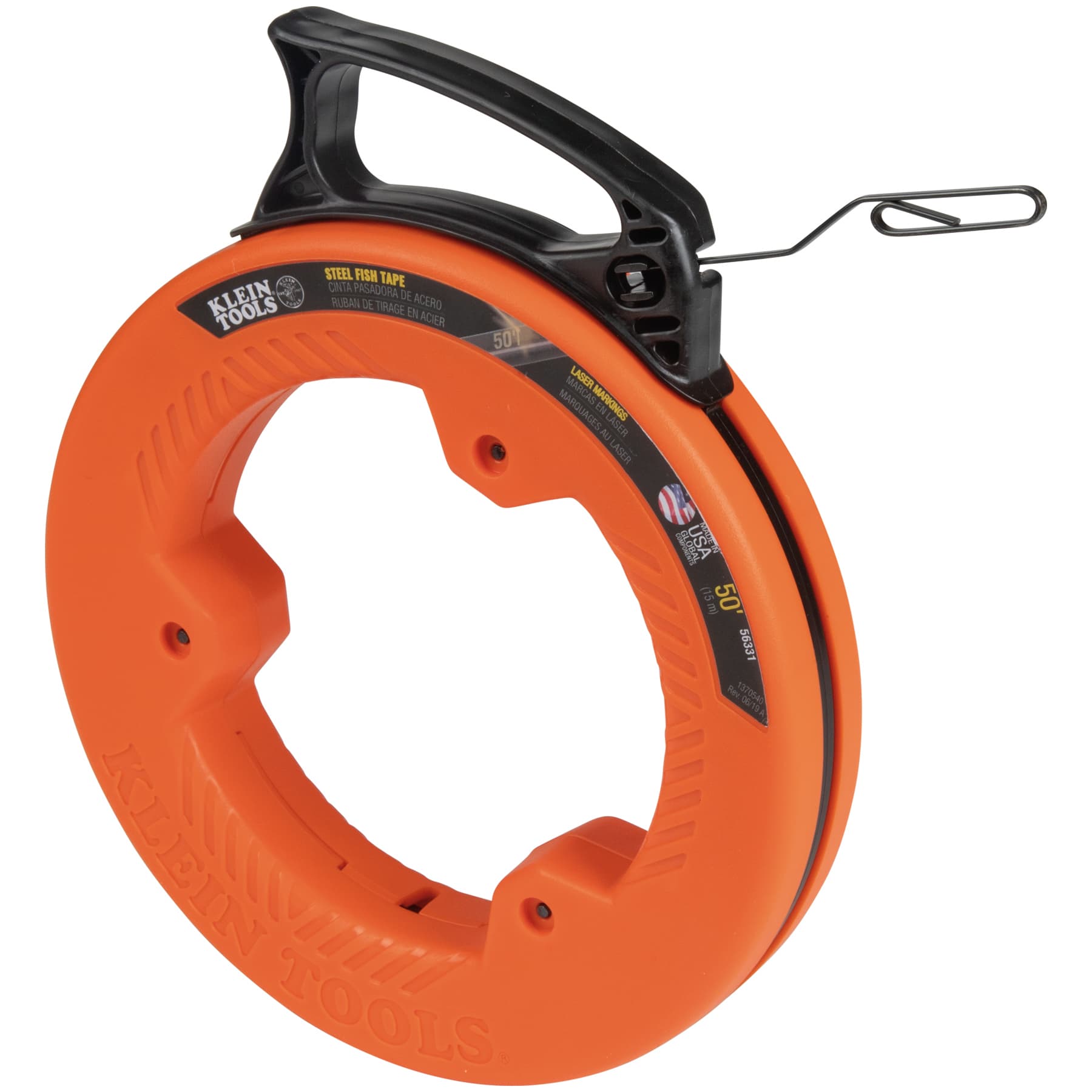
Cable-routing tools
Store reels and rods in a suitable location rather than forcing them into the daily bag. Select the route format when the job is known.

Service light
Plan a charged power source and a consistent storage position. Larger area lighting can be a separate installation kit.
The first question is what lets you approach and verify the work safely, not which brand has the loudest launch campaign.
Tools earn a place when they remove guesswork, avoid a return to the van or help verify the repair before you leave.
Apprentices and working techs can see what is core, what is useful and what is an upgrade instead of buying everything at once.
Infrequently used specialty tools, stock and heavier equipment can remain in appropriate vehicle storage until needed. Keep the everyday assessment and hand-tool kit manageable.
Measure the real carried tools and cases and compare usable pocket dimensions, empty weight and access. Pocket count alone is insufficient.
No. Vehicle payload, mounting, restraints and charging installations need vehicle-specific assessment and approved equipment. This guide covers tool grouping.