1. Define the work package
Identify whether the job is service, fit-out or another permitted scope. Check site requirements and which specialist tools the employer supplies.
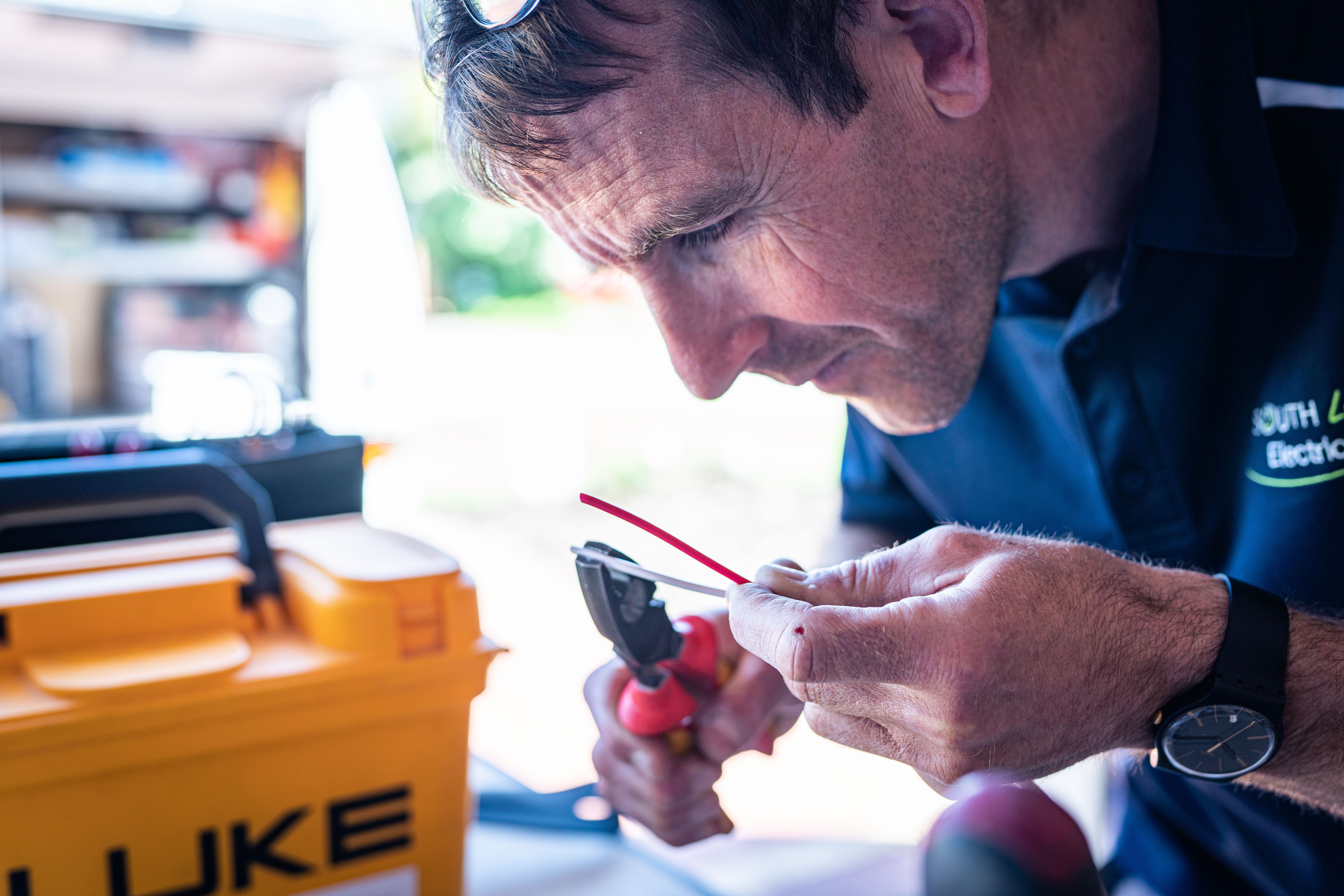
Choose commercial electrician tools by measurement environment, circuit tracing, cable routing, installation fastening and carrying needs. Separate daily tools from shared equipment.
A commercial kit should reflect the work package rather than the word commercial alone. Building services, fit-out, maintenance and larger distribution equipment create different requirements. Use the checklist to separate daily carried tools from site equipment, and confirm the required instrument ratings and supported drilling tasks before choosing a product.
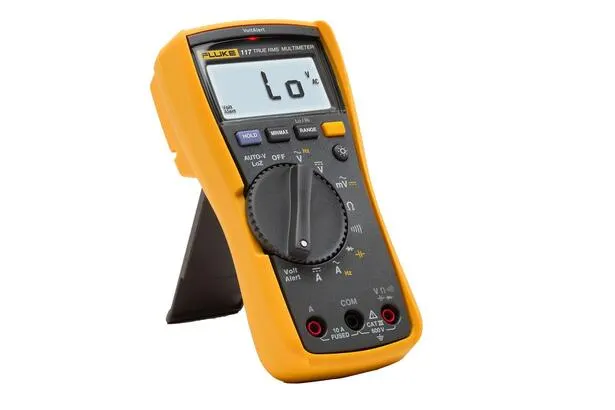
Fluke 117 Electrician's Multimeter
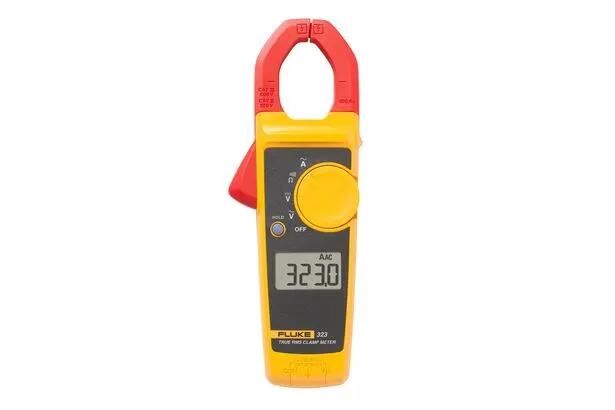
Fluke 323 True-RMS Clamp Meter
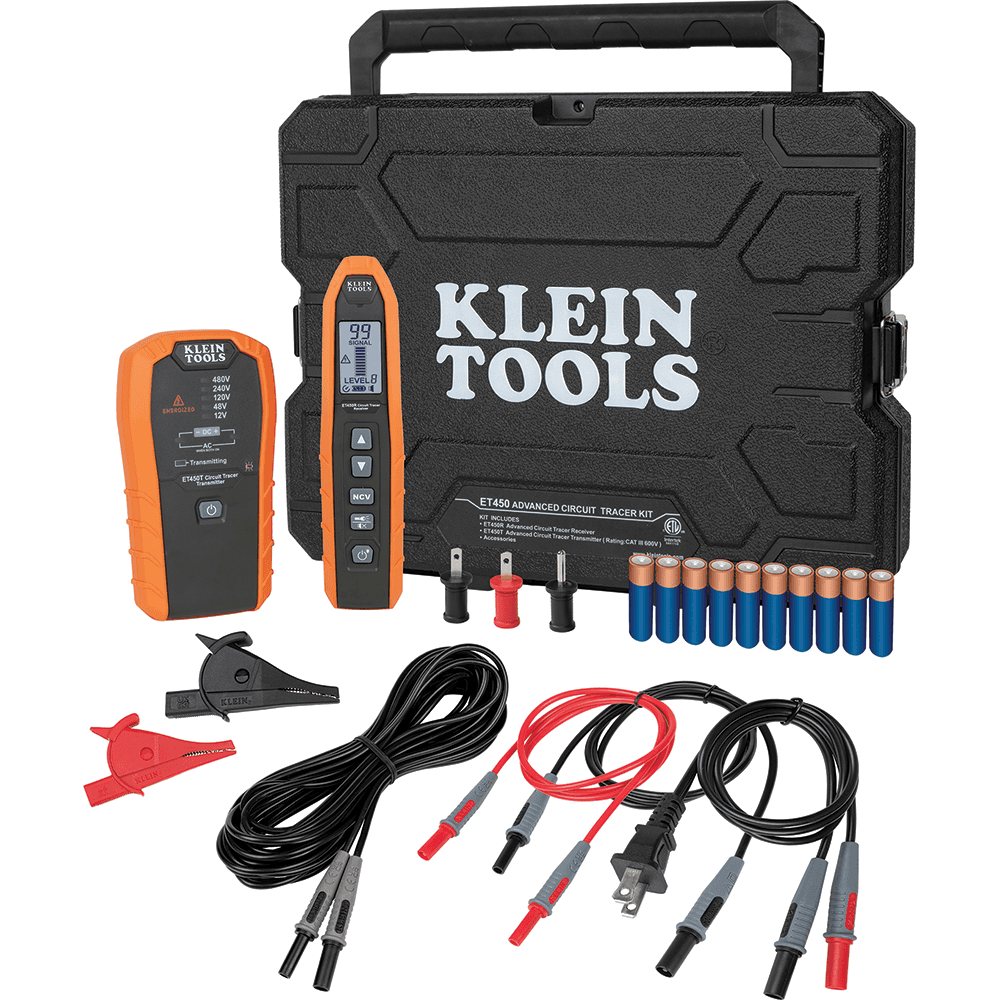
Klein Tools ET450 Advanced Circuit Tracer Kit
Identify whether the job is service, fit-out or another permitted scope. Check site requirements and which specialist tools the employer supplies.
Use an identification tool appropriate to the system. An advanced tracer can serve a different application from a plug-in breaker finder.
Select cable-routing and drilling equipment for the approved materials and access. Larger pulling or concrete tasks may require tools beyond this shortlist.
Keep preparation tools, appropriate fasteners and lighting available where needed. Use the specified terminal tools independently of construction fastening.
Complete the checks required by the scope and equipment. Keep measurements, labels and handover records traceable rather than relying on a quick indication.
These are organized by the part of the job they support. “Core” means we would prioritize it before the nice-to-have upgrades.
Research-based tool selection from manufacturer documentation. We have not hands-on tested these products. How we choose tools →
Multimeter
Select by the actual environment and function requirements. The guide includes higher-CAT alternatives to the lead everyday service meter.
Clamp meter
Check current type, inrush and lead requirements. AC current and DC voltage on a specification sheet do not imply DC clamp-current capability.
Advanced tracer
Consider for supported circuits and identification work beyond a simple plug-in finder. Verify the exact kit and adapters for the application.
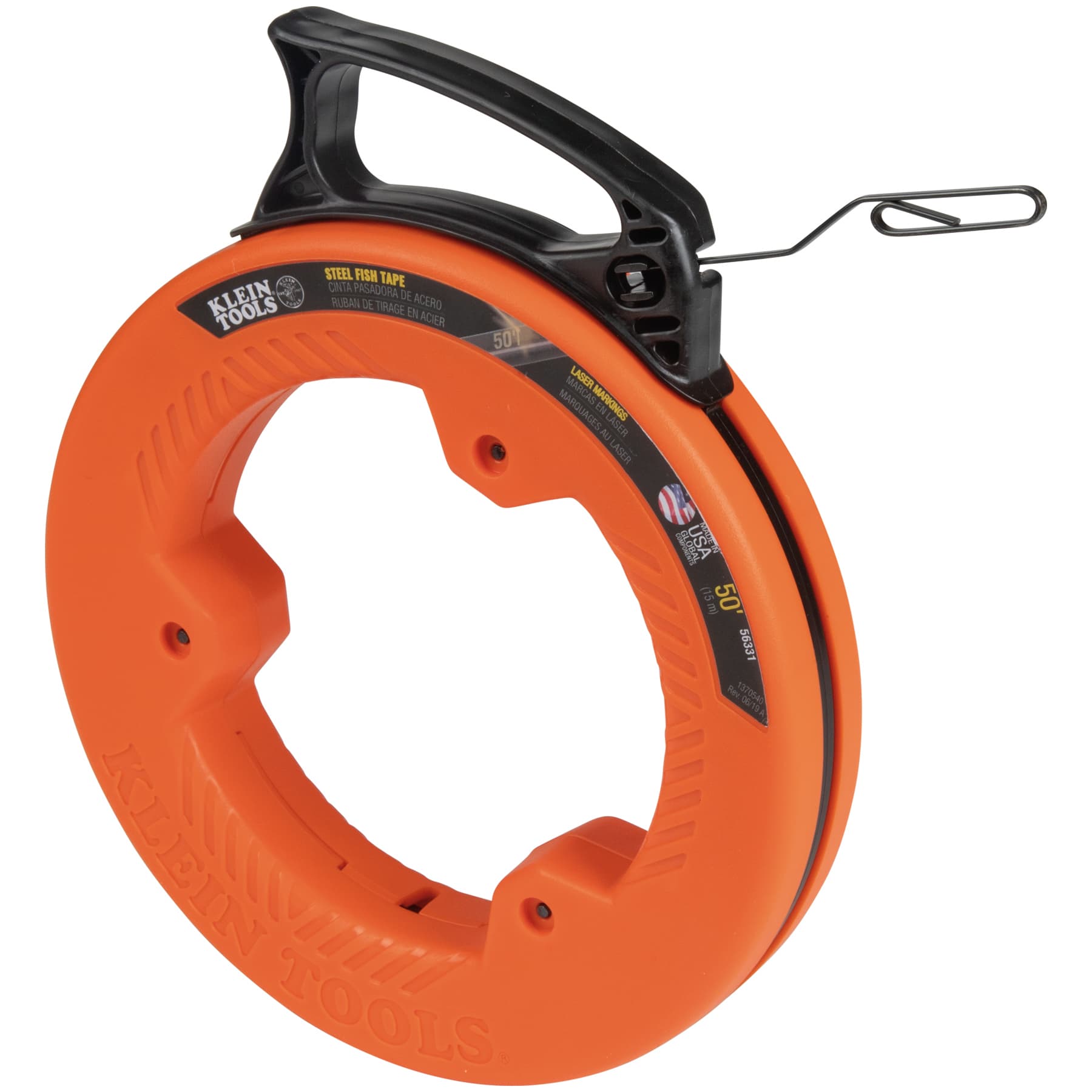
Fish tape / rods
Choose by route geometry and supported loading. Longer tapes and specialist pulling equipment serve different needs; the lead short tape is only a starting point.

Drill selection
Choose the access driver for suitable installation tasks or a conventional drilling alternative for its supported capacity. Site drilling may require a separate rotary hammer.
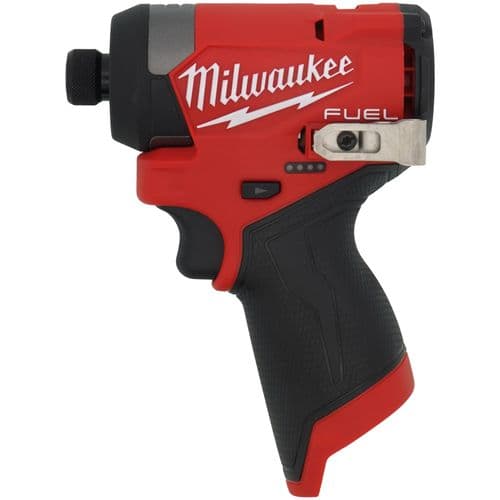
Impact driver
For appropriate mounting and construction fasteners. Battery ownership helps selection after the task is established; terminal torque remains a separate tool role.
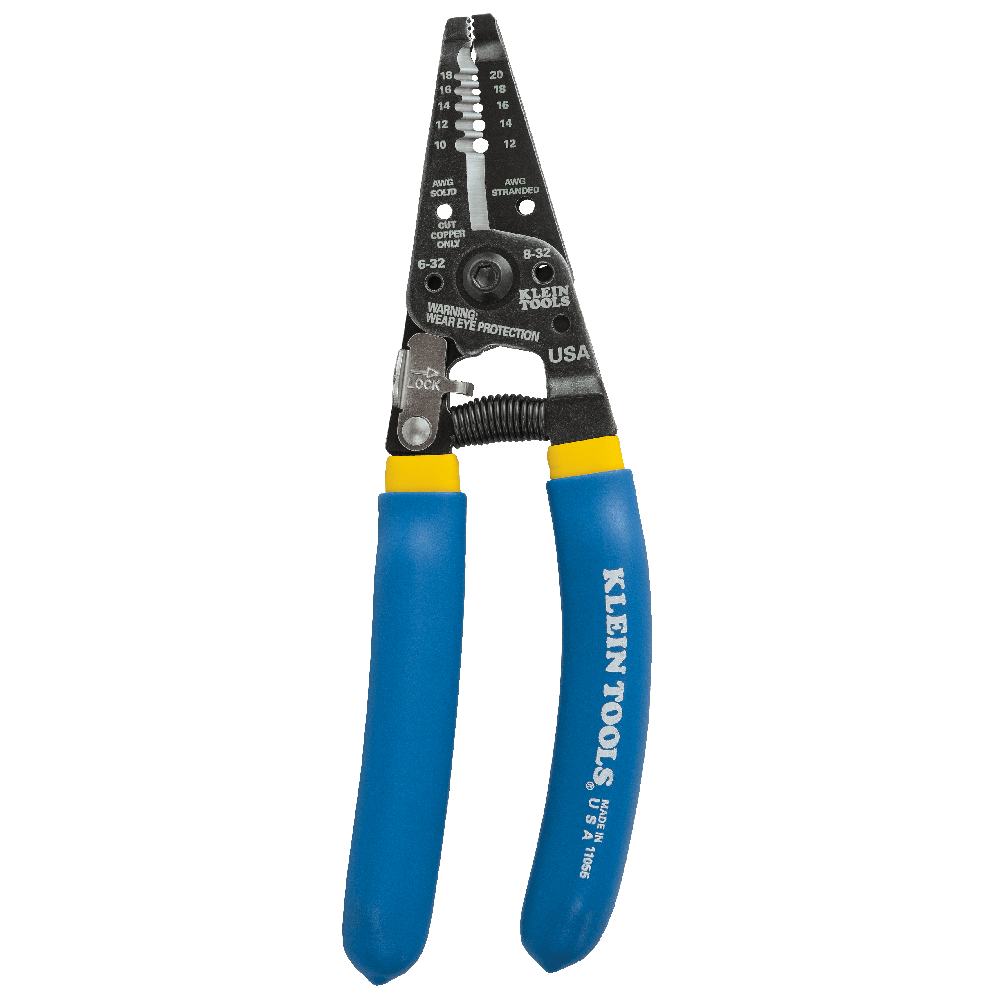
Wire stripper
Check the actual conductors and gauge range. Larger and different-material work may require preparation tools outside this everyday copper shortlist.
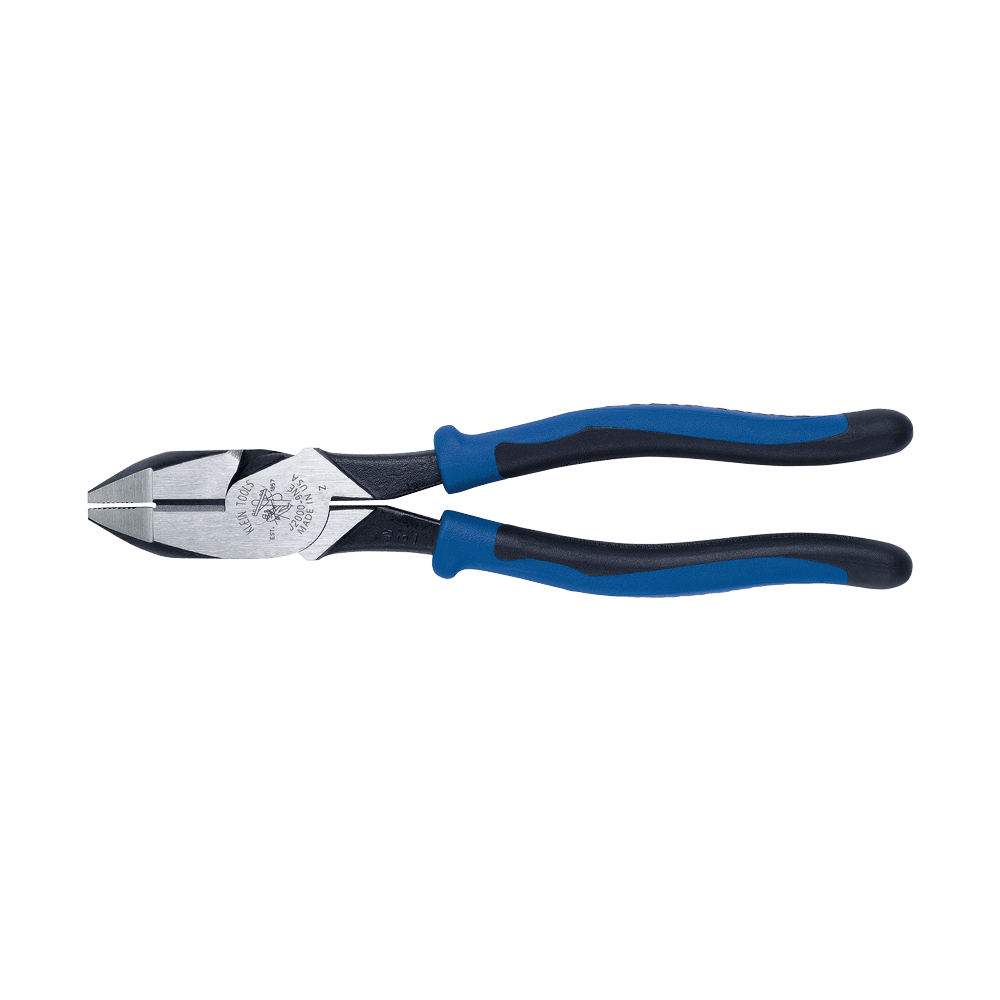
Pliers
Match the cutter and gripping task. An ordinary heavy-duty plier is not an insulated-tool selection just because it has covered handles.
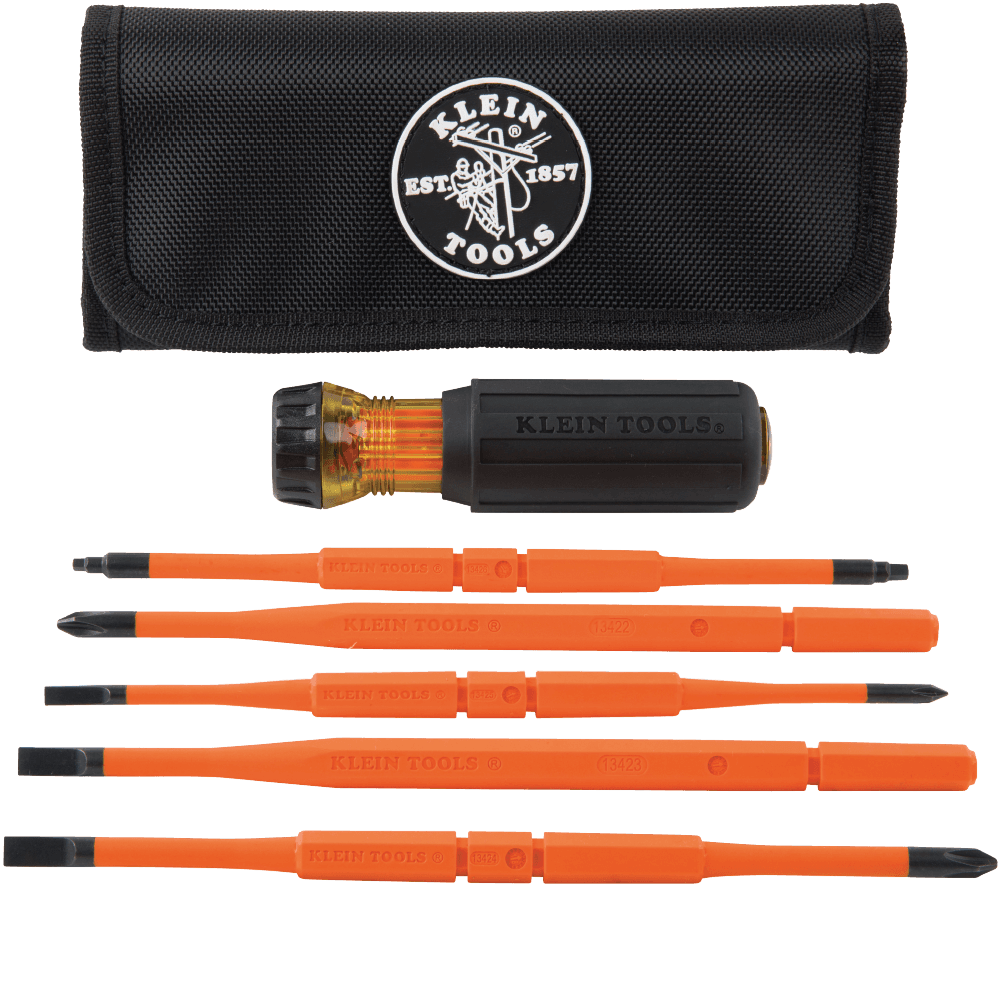
Driver profiles
Check the equipment profiles, required insulation and calibrated torque equipment. No convenience driver here establishes a specified torque by itself.

Lighting
Choose between portable task lighting and a larger area-light format. Confirm the available supply and exact environmental rating.
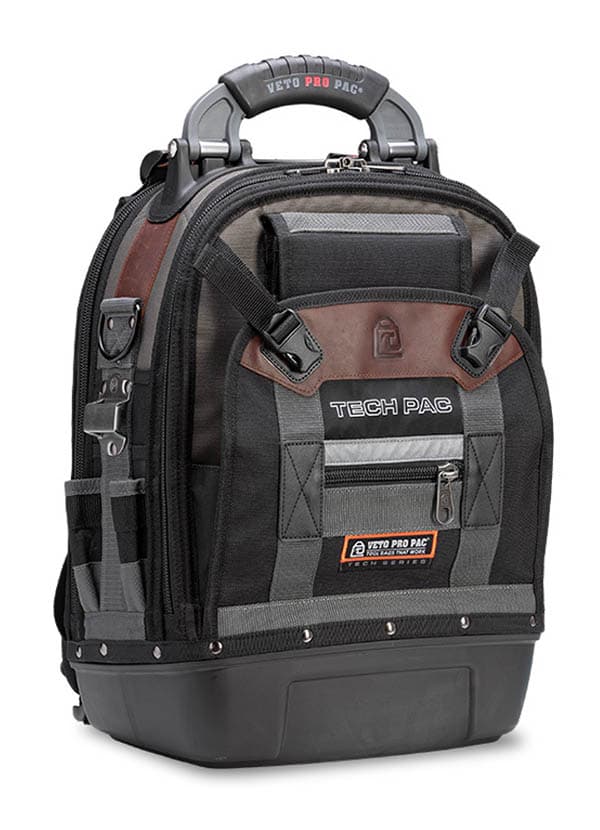
Daily tool backpack
Use for the kit that actually moves between work areas. Leave stock and heavy shared equipment separate so a bigger bag does not create an unnecessary load.
The first question is what lets you approach and verify the work safely, not which brand has the loudest launch campaign.
Tools earn a place when they remove guesswork, avoid a return to the van or help verify the repair before you leave.
Apprentices and working techs can see what is core, what is useful and what is an upgrade instead of buying everything at once.
The required environment ratings, route and drilling equipment, circuit identification and site procedures can differ. Commercial is not one universal kit specification.
Only when the supported tracing task justifies it. Check access, system type and adapters before choosing over a simpler finder.
Employer-provided and infrequently used specialist equipment may be shared under the site’s arrangements. Confirm those arrangements before spending.