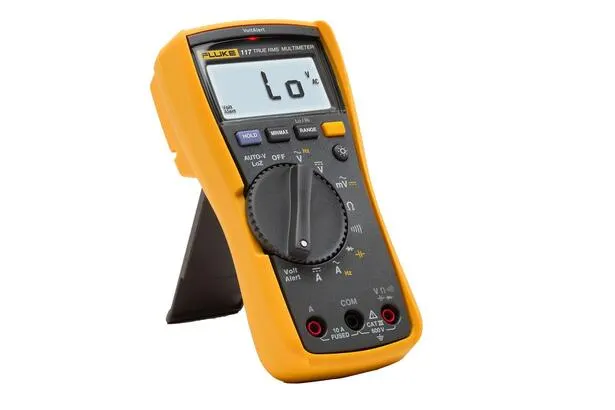
Fluke 117 Electrician's Multimeter
Best for everyday service
Read full product review →70 tools. Find your tool, check the buying advice and compare alternatives.
Start typing to find your tool. Try a name, brand, model number or tool type.
70 tools to browse
Best for everyday service
Read full product review →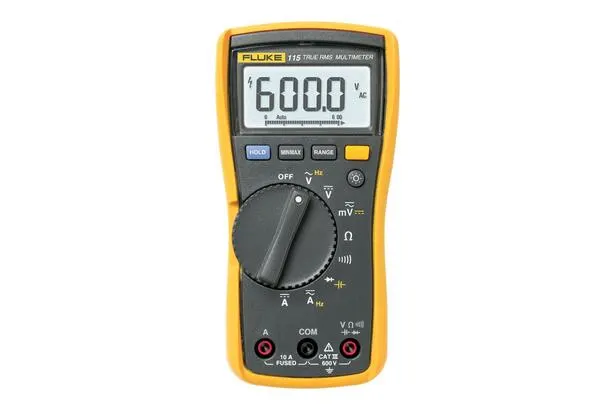
General-purpose choice
Read full product review →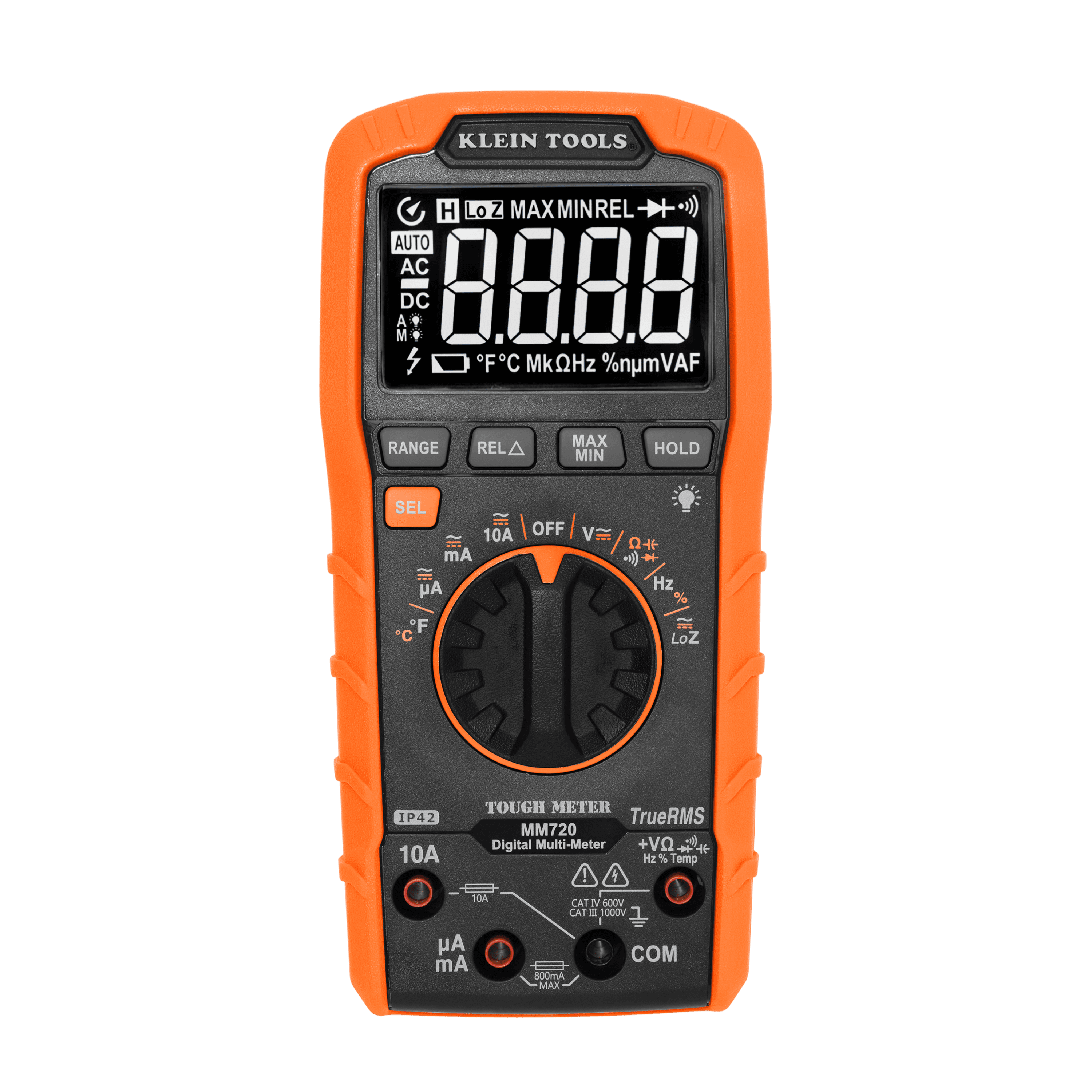
Best for higher CAT ratings
Read full product review →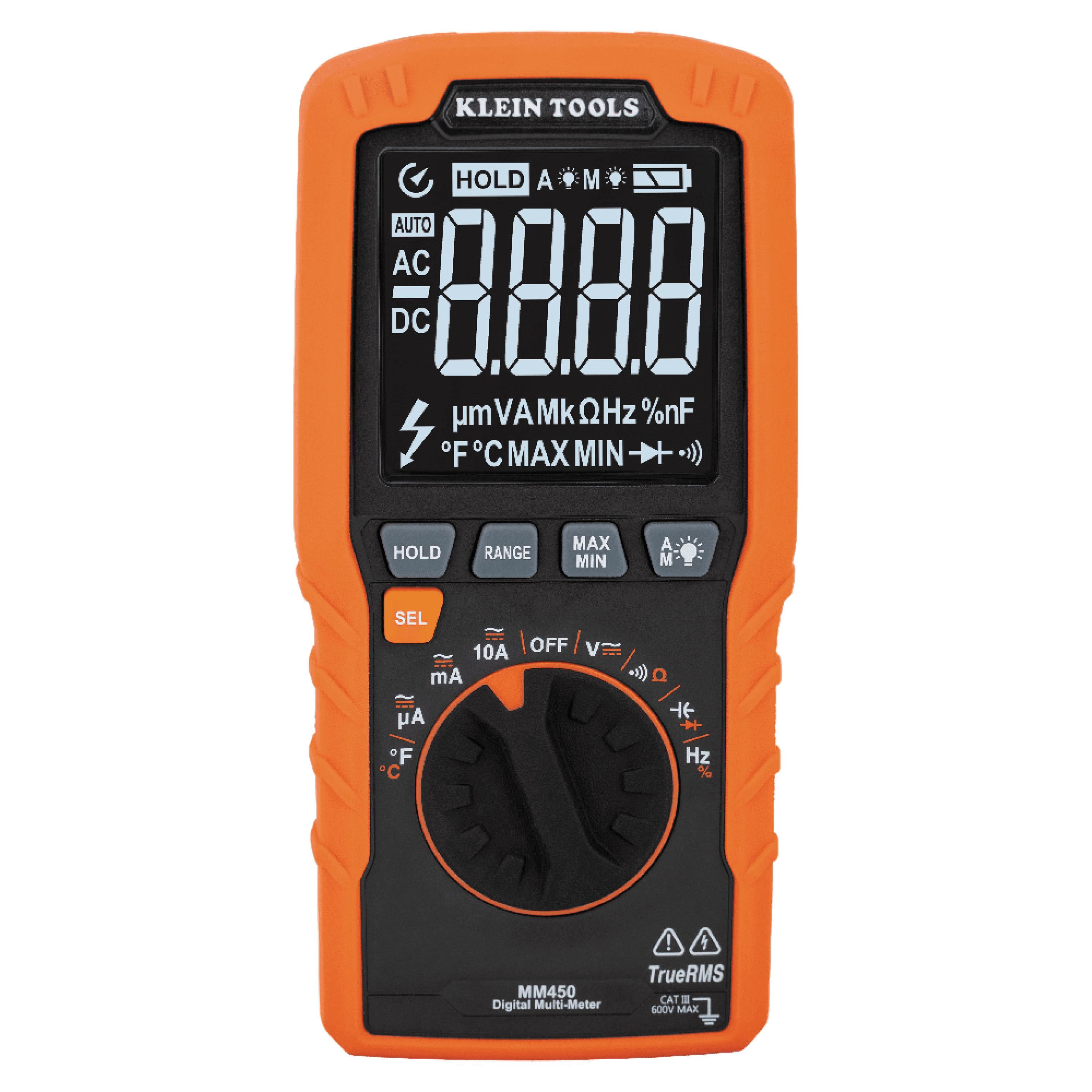
Best pocket format
Read full product review →
Best for logging readings
Read full product review →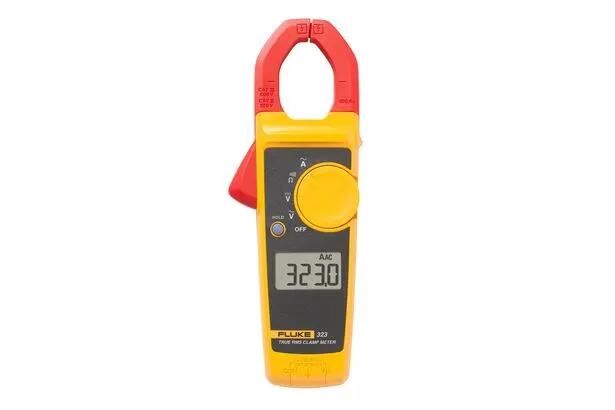
Lead pick for AC service checks
The 323 is the focused AC-current member of Fluke’s 320 family. Its appeal is an uncomplicated clamp for load-related service work, rather than another instrument with every possible measurement function.
Read full product review →
For AC and DC current
Fluke 325 adds DC jaw current to the 320-family service format. That is a functional distinction worth paying attention to; many similarly named clamps measure DC voltage but only AC current.
View tool details & comparison →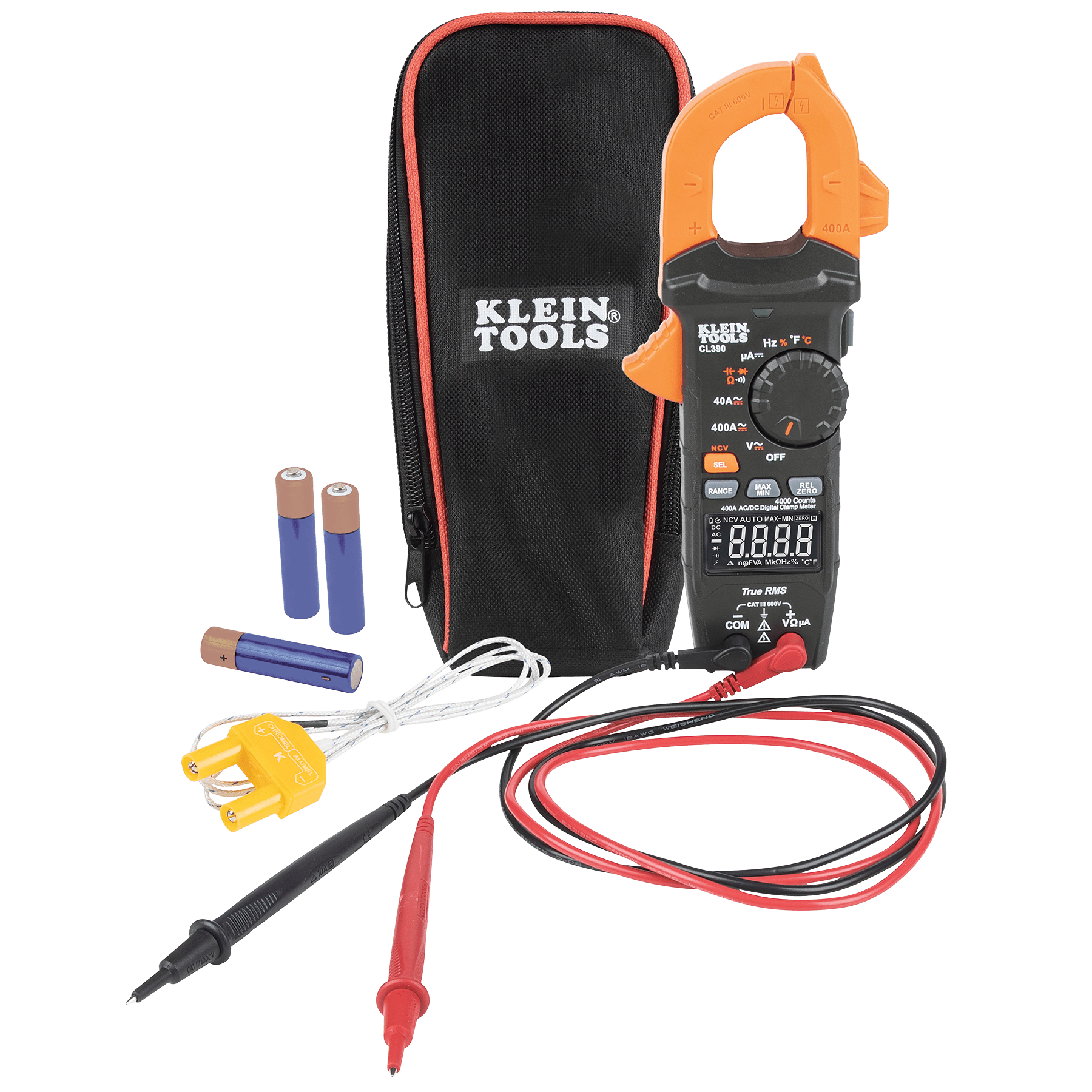
For a mixed diagnostic kit
CL390 combines AC/DC clamp measurement with a broad set of lead-based functions. Its category rating and actual ranges are more relevant to choosing it than how many symbols appear on the dial.
View tool details & comparison →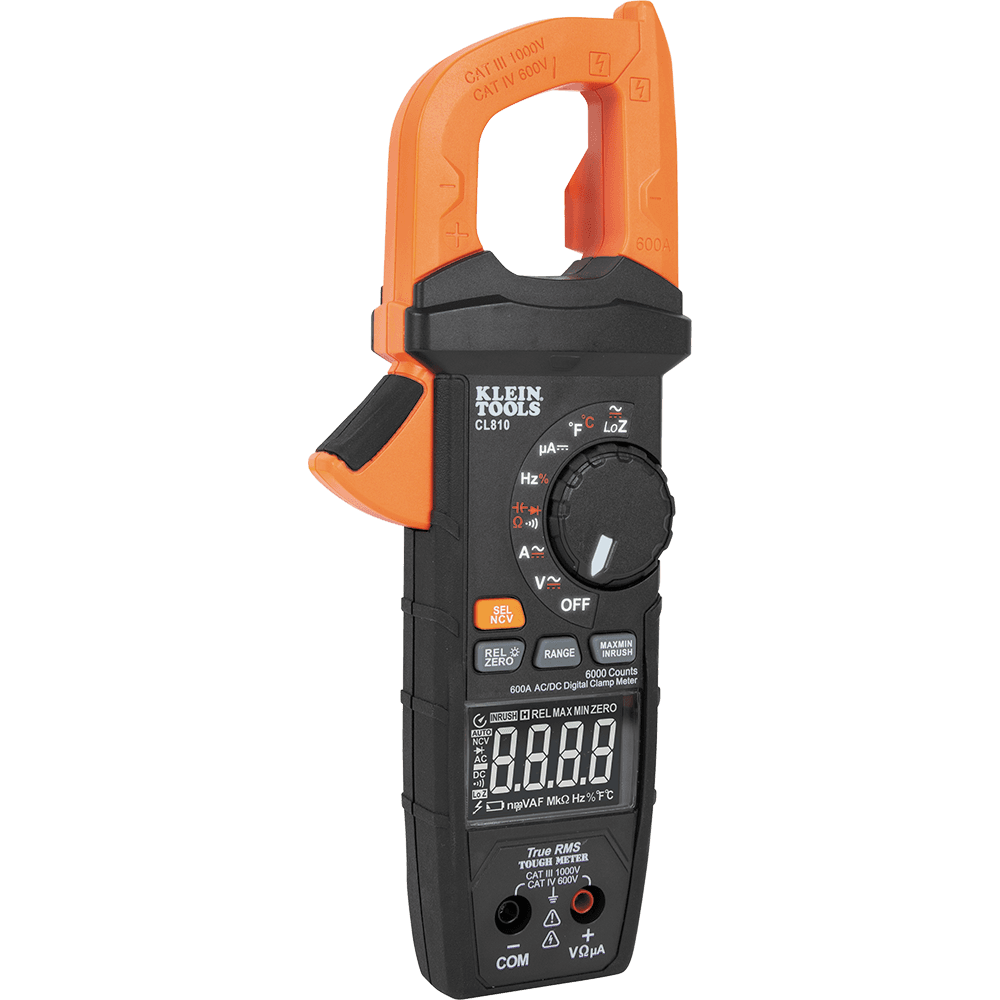
For broader range and inrush
The CL810 offers a broader current range and an inrush function alongside its worklight and diagnostic measurements. Those additions are reasons to investigate it for maintenance work, rather than proof of better measurements at every load.
View tool details & comparison →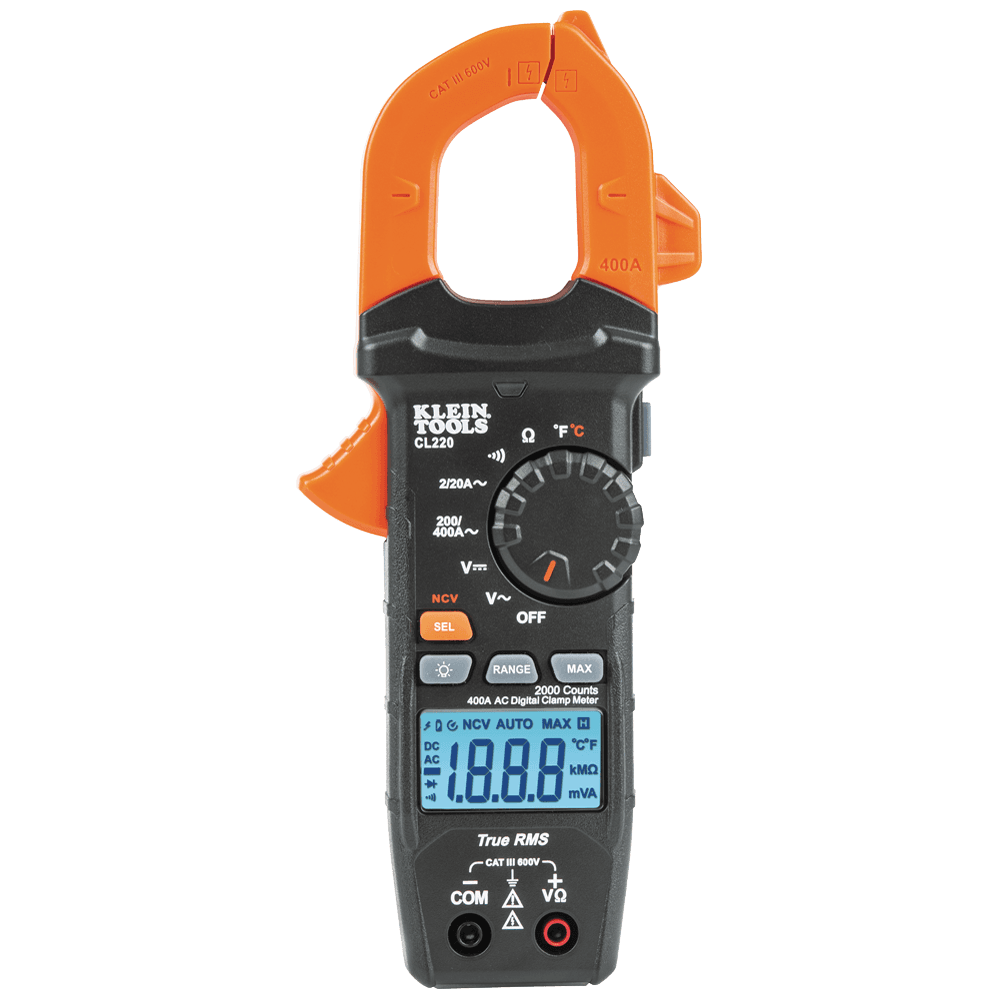
For a simpler AC kit
CL220 is an AC-current option with temperature measurement and an integrated non-contact indicator. That feature mix can suit a straightforward kit, but it should not be evaluated as though it had CL390’s AC/DC TRMS specification.
View tool details & comparison →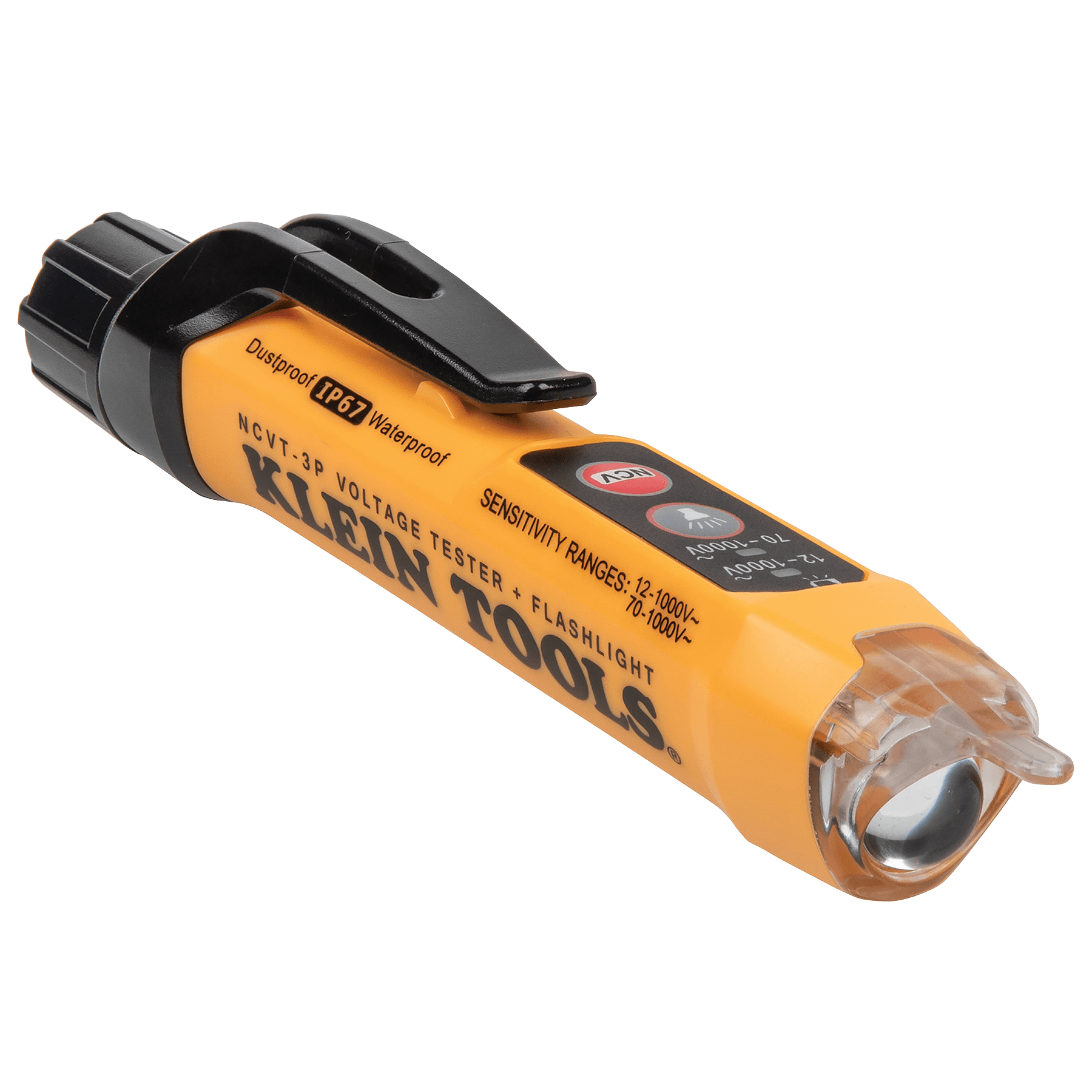
Lead pick for pocket screening
NCVT-3P combines two AC indication ranges with a flashlight. It is a practical secondary tool in a service bag because it gives the screening task a dedicated pocket instrument.
Read full product review →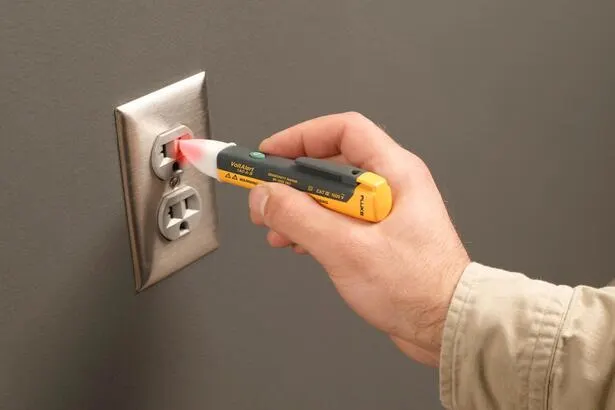
For a simple AC pen
The 1AC II is an AC indication pen. Its appeal is a focused pocket role, with the manufacturer’s VoltBeat self-test feature, rather than numeric readings.
View tool details & comparison →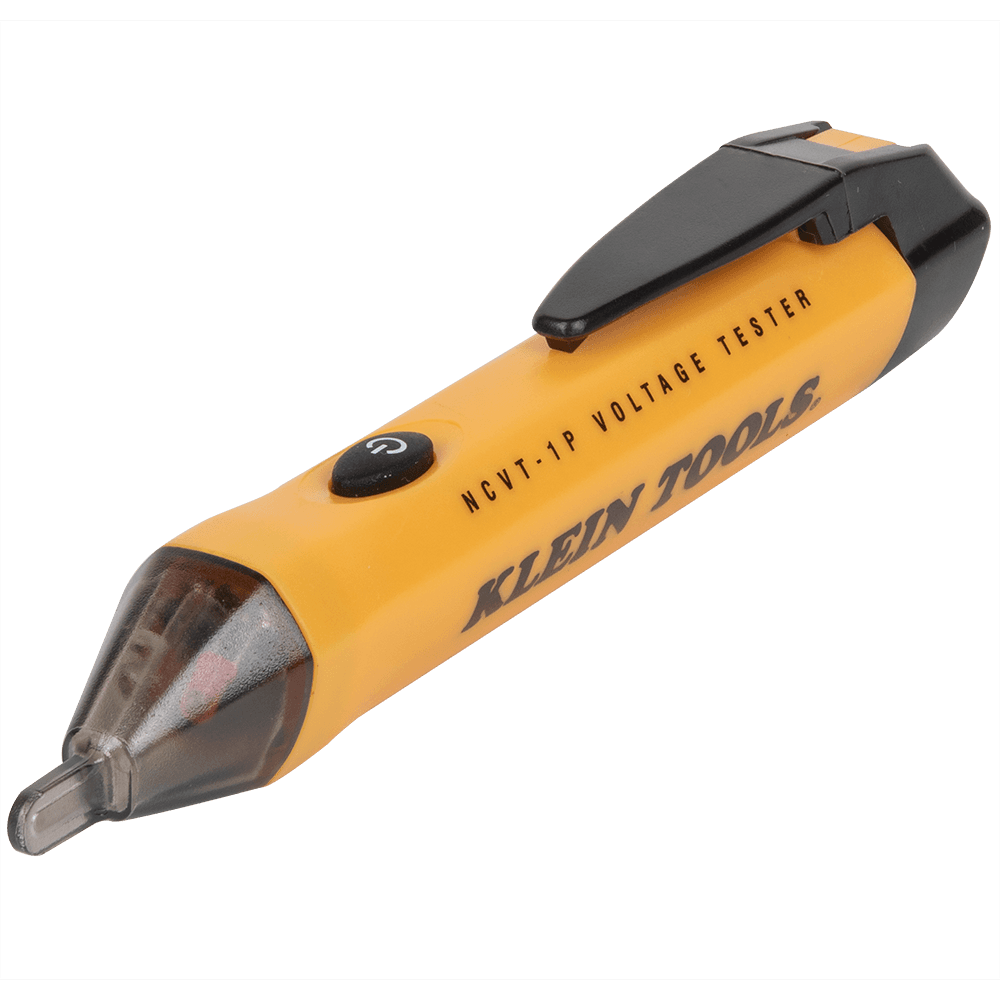
For standard AC screening
NCVT-1P is the simpler pen choice in this shortlist. It covers a stated 50–1000 V AC indication band, which should be checked against the actual purpose of the tool.
View tool details & comparison →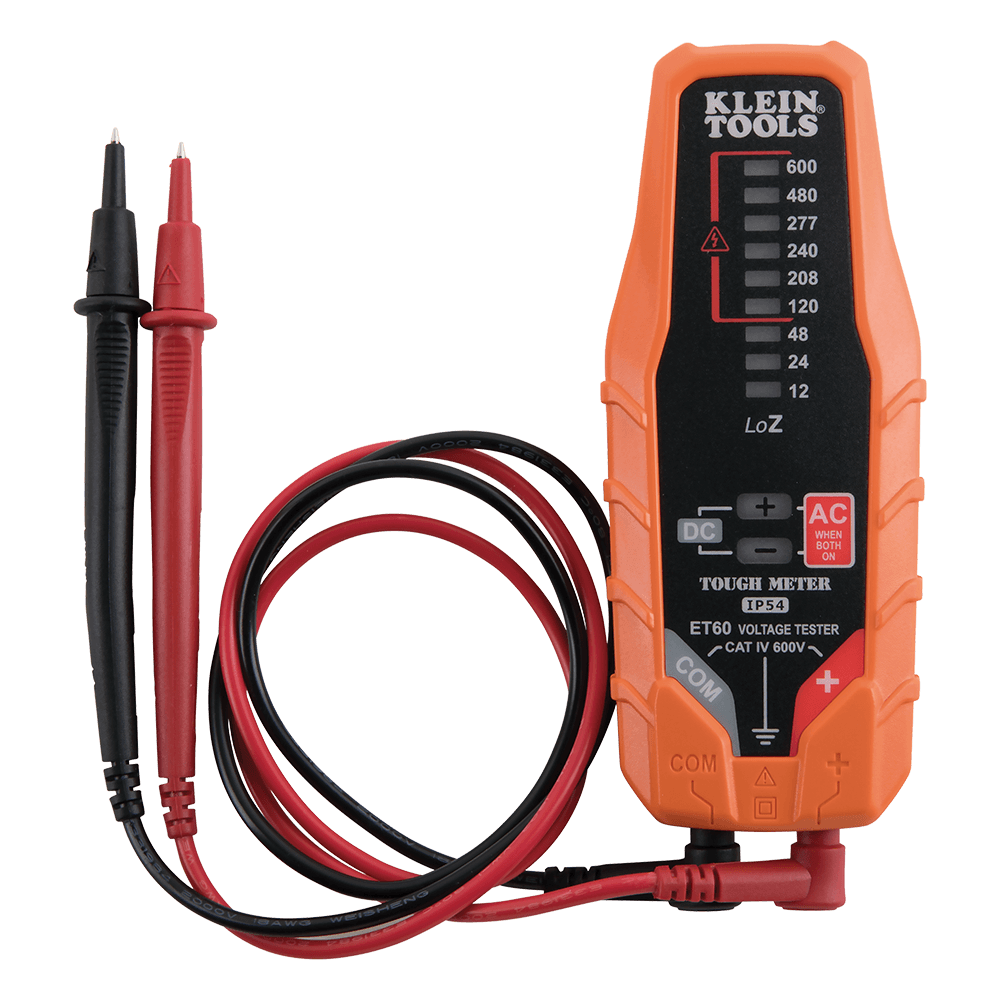
For contact voltage checks
ET60 is a contact tester powered by the applied circuit voltage. Its low-impedance design is a different tool role from the pen indicators listed here.
View tool details & comparison →
For voltage, continuity and current
T5-600 combines contact voltage testing with continuity and an OpenJaw AC-current function. That makes it more of a compact service instrument than a pocket voltage pen.
View tool details & comparison →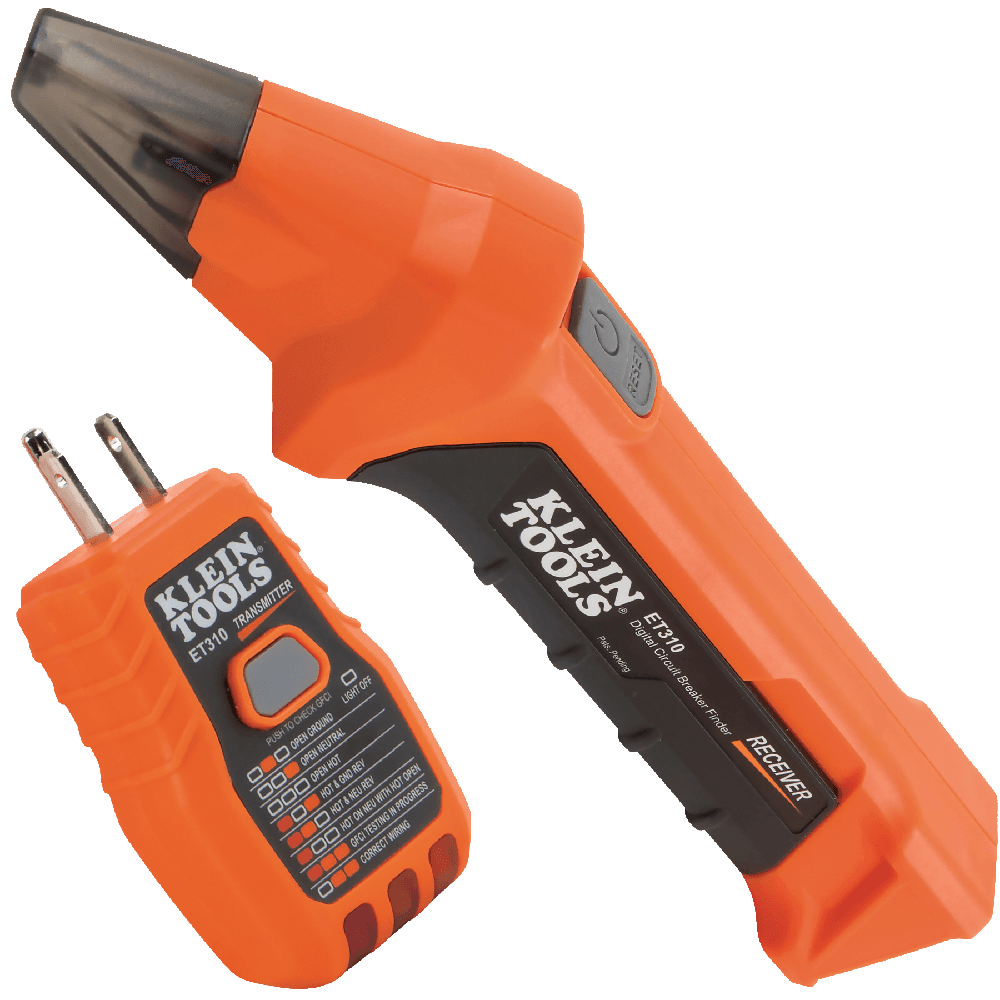
Lead pick for outlet-to-breaker work
ET310 combines a plug-in transmitter and receiver with a transmitter-side GFCI outlet test. It gives a common service-call problem a dedicated tool without requiring an advanced tracing kit.
Read full product review →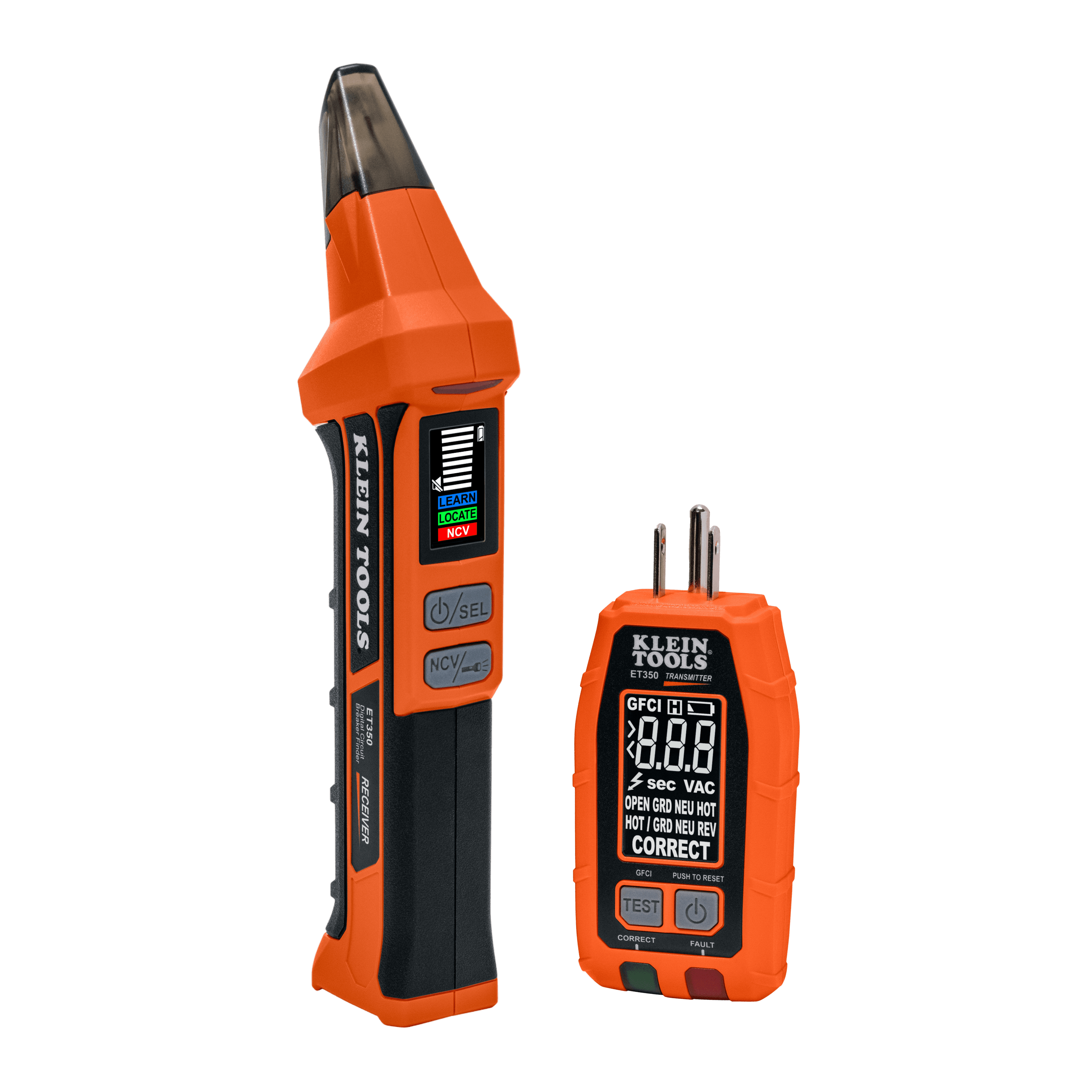
For combined tester functions
ET350 combines several tester roles in one package. The buying question is whether those combined roles fit the tools used on a call, rather than whether four sounds better than two.
View tool details & comparison →
For automatic circuit identification
The 61-534 is documented as an automatic circuit identifier with a digital receiver. Its value is in a focused identification task, with model-specific connection and operating requirements in the manual.
View tool details & comparison →For adjustable identification
CB10 combines AC circuit-breaker identification and receptacle testing. The basic instrument should be distinguished from the CB10-KIT troubleshooting bundle before comparing offers.
View tool details & comparison →
For a GFCI-testing transmitter
41210S is a dedicated circuit-breaker finder with a GFCI test function. For a service kit, its transmitter adds a second outlet-side role to the identification task.
View tool details & comparison →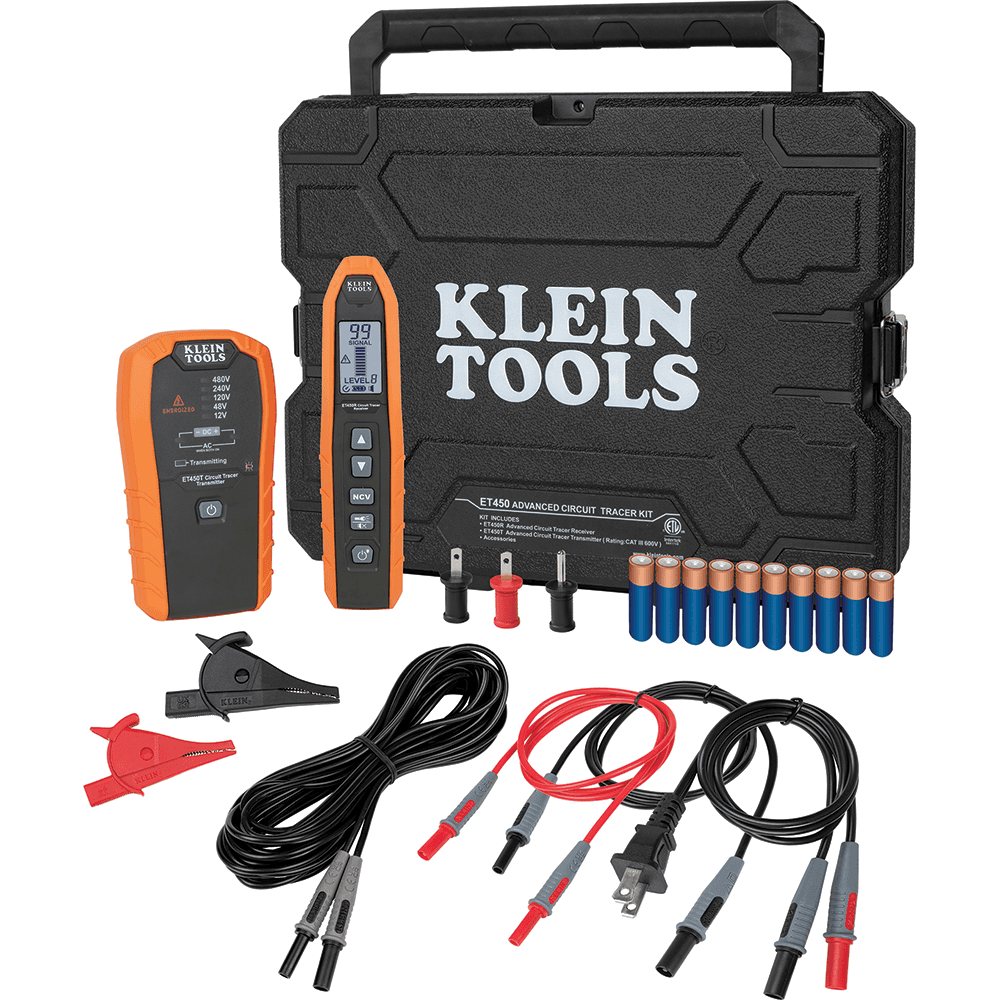
Lead pick for broader tracing
ET450 is an advanced transmitter-and-receiver kit for energized and non-energized breakers, fuses and wires. The reason to consider it is the broader tracing role, not a promise that concealed circuits become effortless to locate.
Read full product review →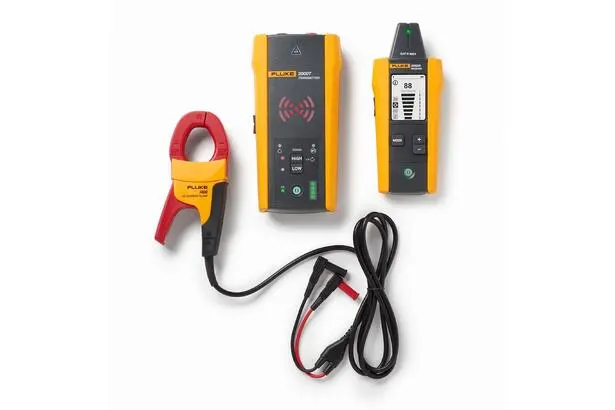
For a tracing kit with induction clamp
2052 supports energized and de-energized tracing and includes an i400 accessory for inducing a tracing signal where direct conductor access is unavailable. That connection option is a concrete reason to compare the kit.
View tool details & comparison →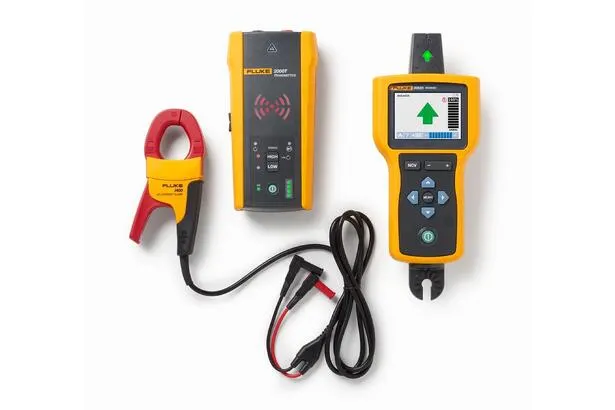
For a more guided receiver interface
2062 is Fluke’s Advanced Pro kit. The receiver interface is the comparison point to investigate against 2052; the Pro label is not itself evidence of faster or more accurate field diagnosis.
View tool details & comparison →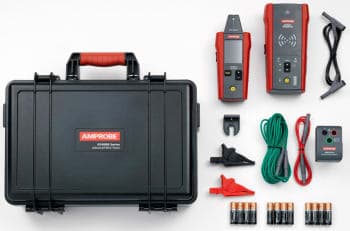
For a focused Amprobe kit
AT-6020 is an advanced tracing kit rather than a plug-in-only breaker finder. Its value depends on its receiver modes and supported transmitter connections matching the job.
View tool details & comparison →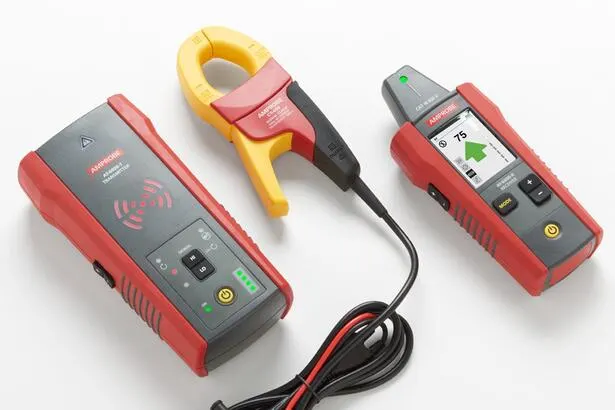
For Amprobe’s guided tracing kit
AT-6030 is a higher-function Amprobe tracing package. Evaluate the exact receiver and accessory list; a promotional demonstration is not a guarantee that every construction type or route will produce the same result.
View tool details & comparison →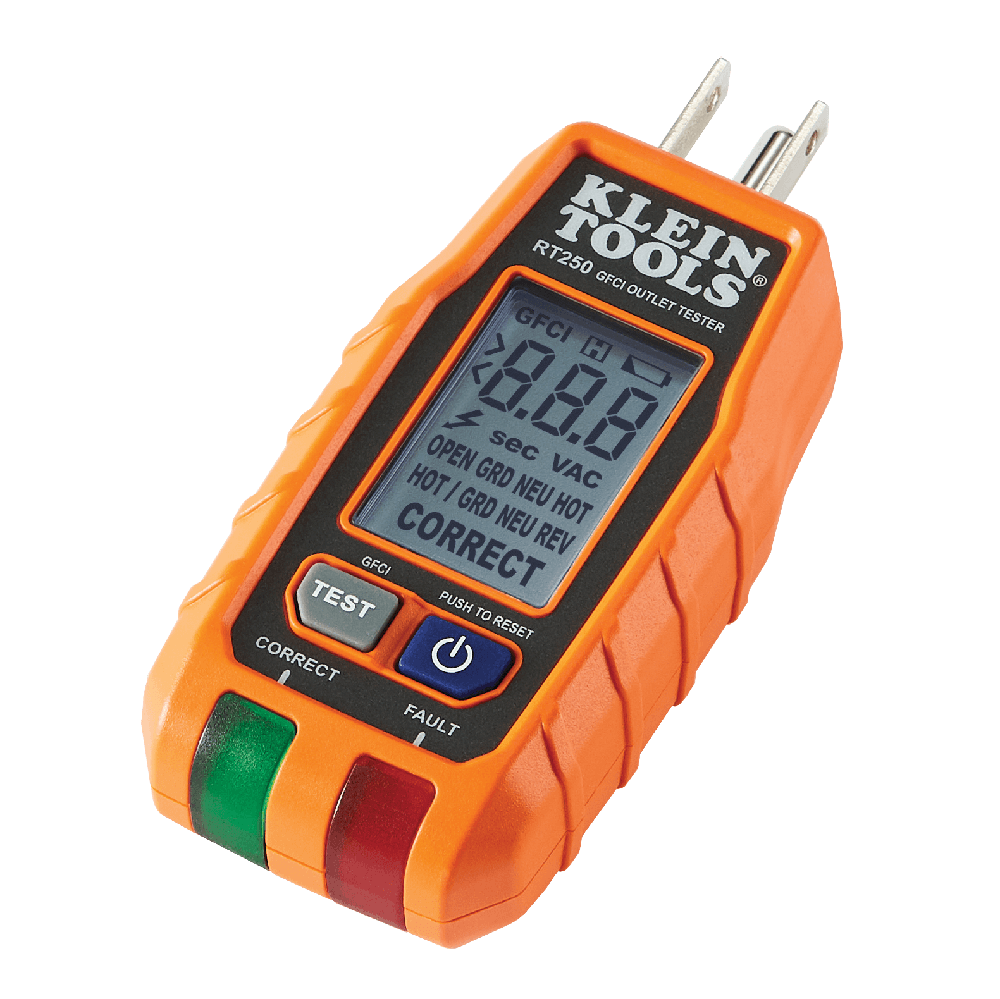
Lead pick for displayed outlet checks
RT250 combines outlet wiring-condition indications with an LCD and GFCI testing. It is useful when you want more visible information than a basic three-light tester gives, while retaining a small plug-in format.
Read full product review →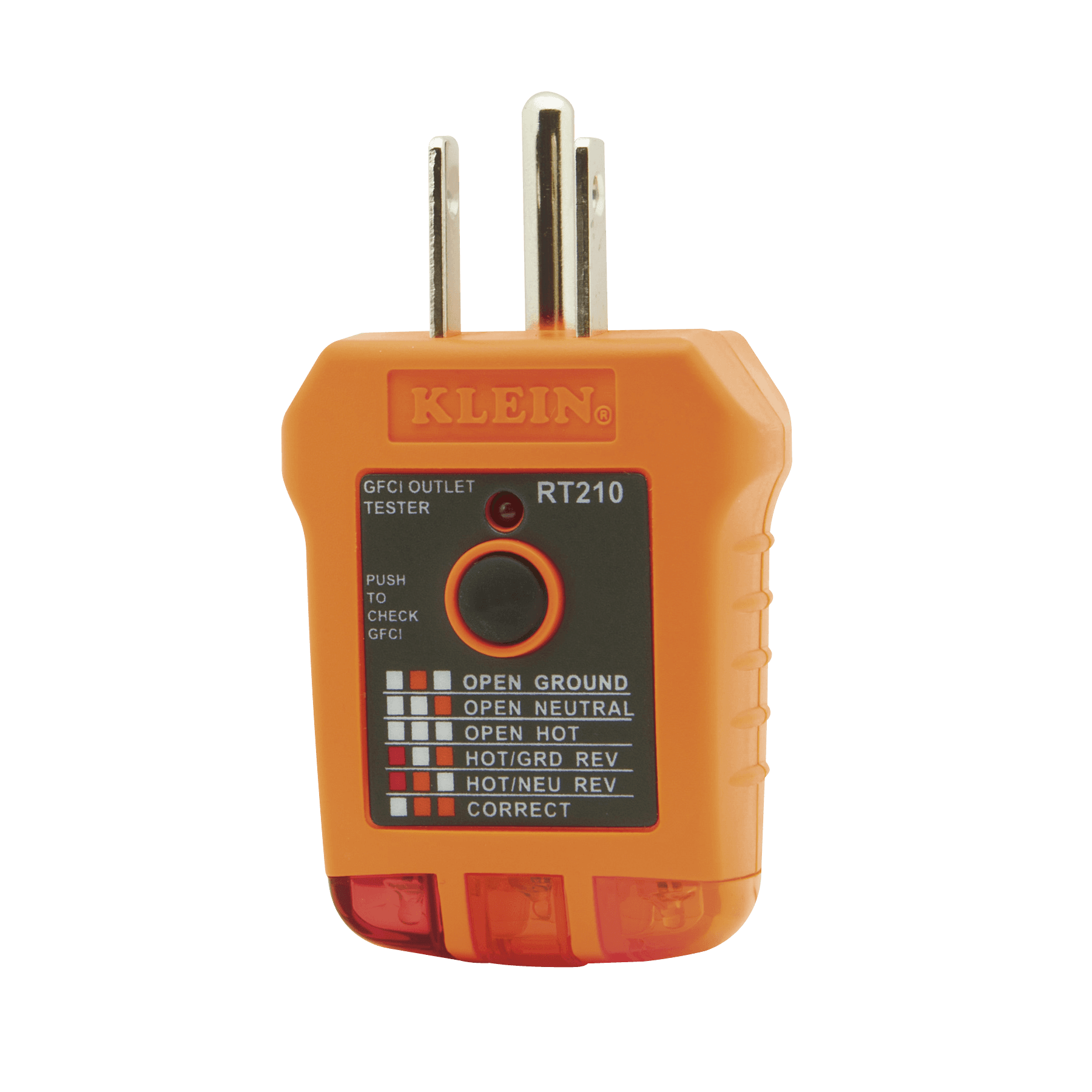
For simple indicator checks
RT210 is the compact indicator-style choice with GFCI testing. It gives common outlet conditions a quick display pattern without the LCD information offered by RT250.
View tool details & comparison →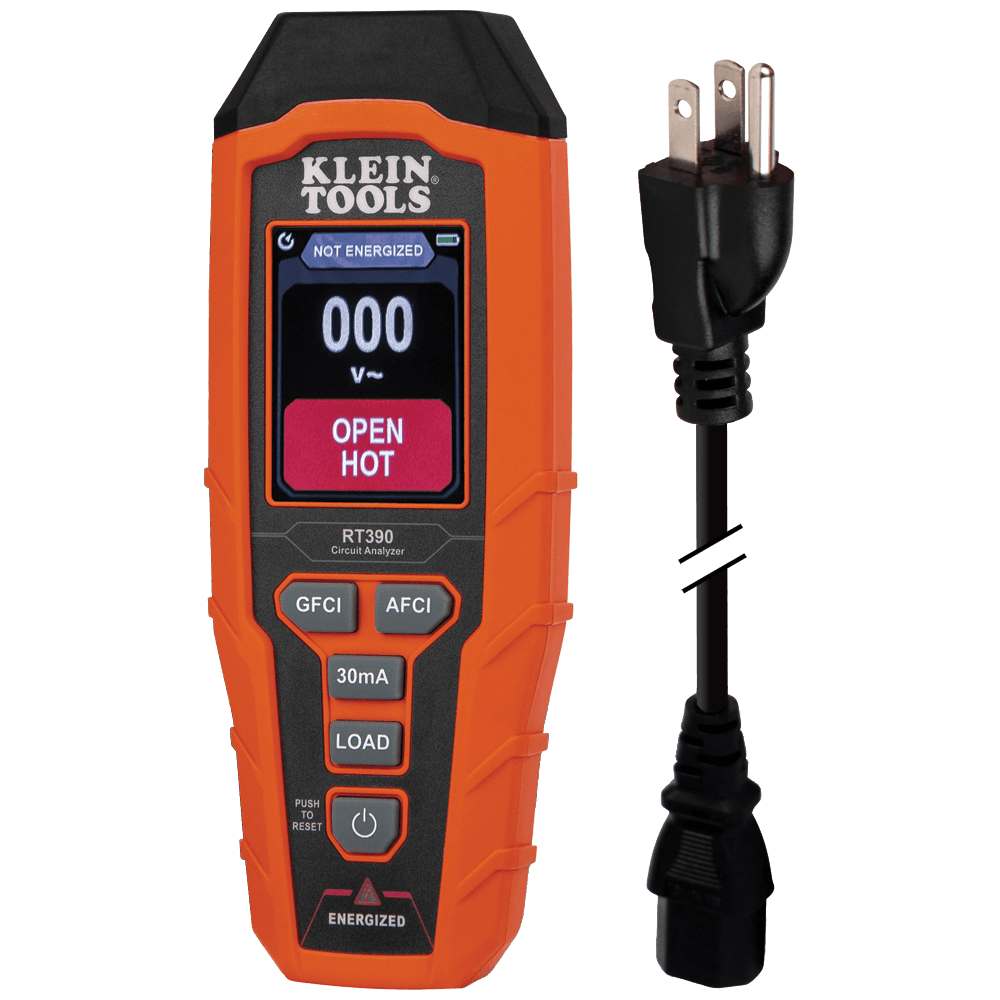
For more detailed outlet analysis
RT390 has a broader role than the small outlet testers. Klein lists AC line voltage, AFCI/GFCI checks and voltage-drop tests at specified loads. That capability belongs in a considered diagnostic workflow.
View tool details & comparison →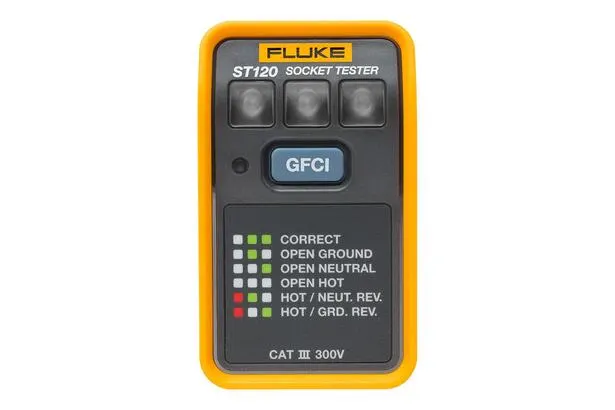
For a dedicated Fluke socket tester
ST120 is a dedicated GFCI socket tester for compatible North American outlets. The exact model matters: ST120+ is a distinct beeper version rather than an interchangeable suffix.
View tool details & comparison →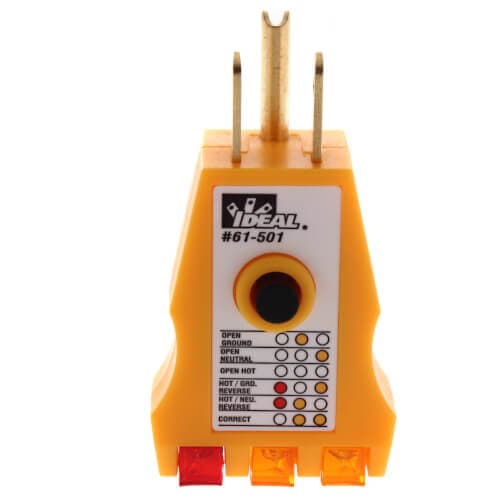
For a basic GFCI check
IDEAL lists 61-501 as a 120 V AC receptacle tester with polarity indication and GFI trip. It is the focused indicator option in the manufacturer’s comparison chart, rather than its LCD model.
View tool details & comparison →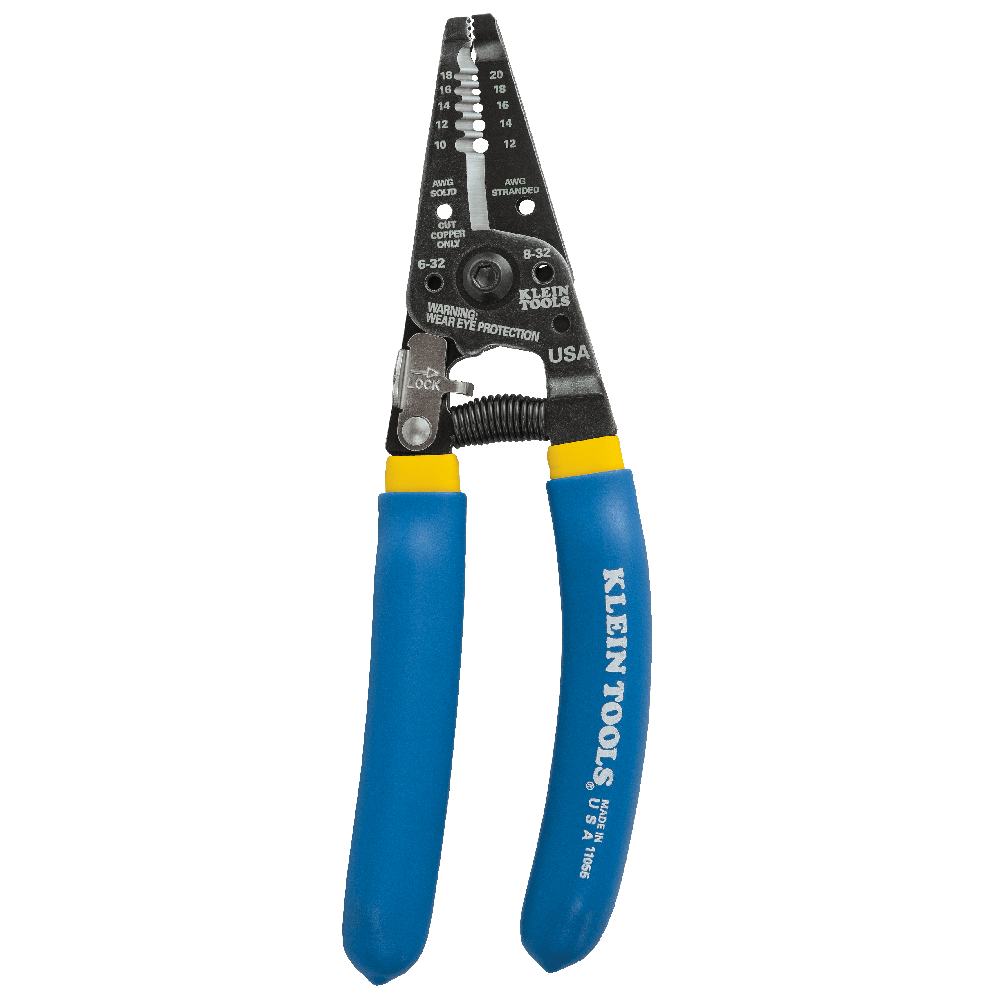
Lead pick for manual service work
11055 is a manual stripper/cutter for specified solid and stranded copper ranges. Its curved-handle format suits an everyday hand-tool role without making the preparation task dependent on an automatic gripping mechanism.
Read full product review →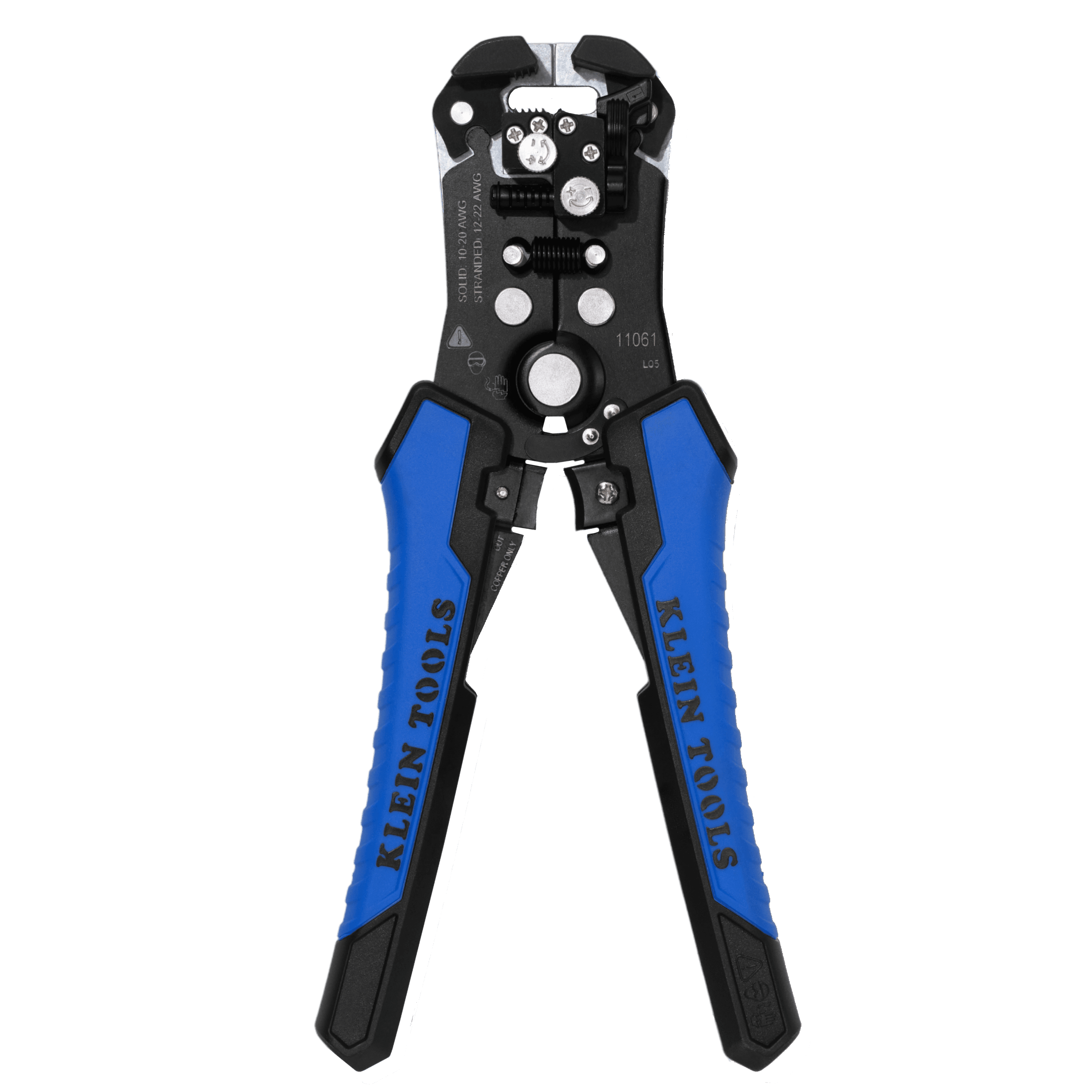
For repeated compatible-wire prep
11061 uses a self-adjusting mechanism rather than separate manual stripping holes for each preparation action. That can be useful for a bench or repeated installation task with compatible material.
View tool details & comparison →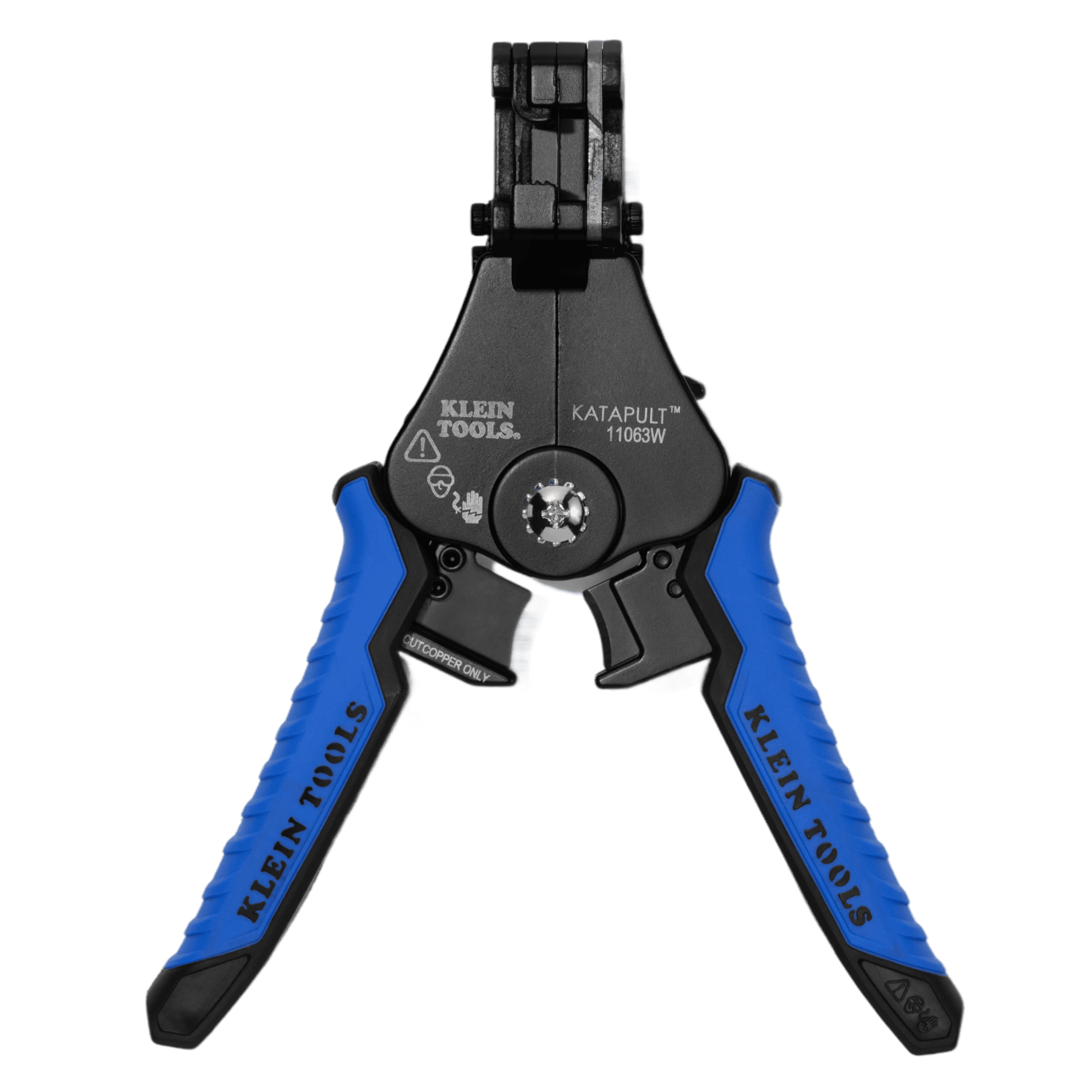
For squeeze-operated stripping
Katapult 11063W uses a gripping and stripping mechanism operated by the handle. Its documented cutting coverage and stripping-head capability should be read separately, rather than treated as one universal range.
View tool details & comparison →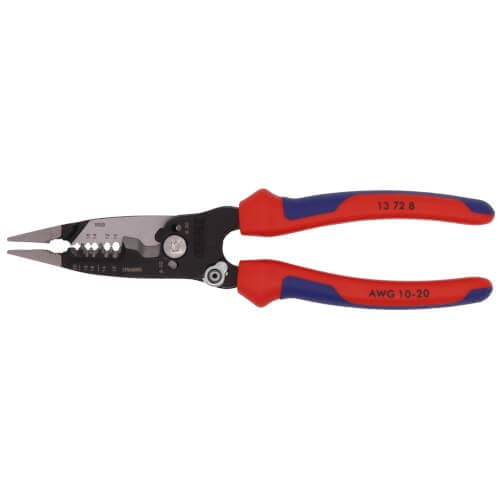
For a multifunction hand-tool role
KNIPEX 13 72 8 is the American-style multifunction WireStripper. The attraction is combining preparation tasks in one hand tool rather than assuming a premium price guarantees better stripping on every material.
View tool details & comparison →
For a dedicated stripping mechanism
45-092 is a specific 10–22 AWG Stripmaster configuration. The exact blade set matters because the wider Stripmaster family includes tools and replacement blades for different applications.
View tool details & comparison →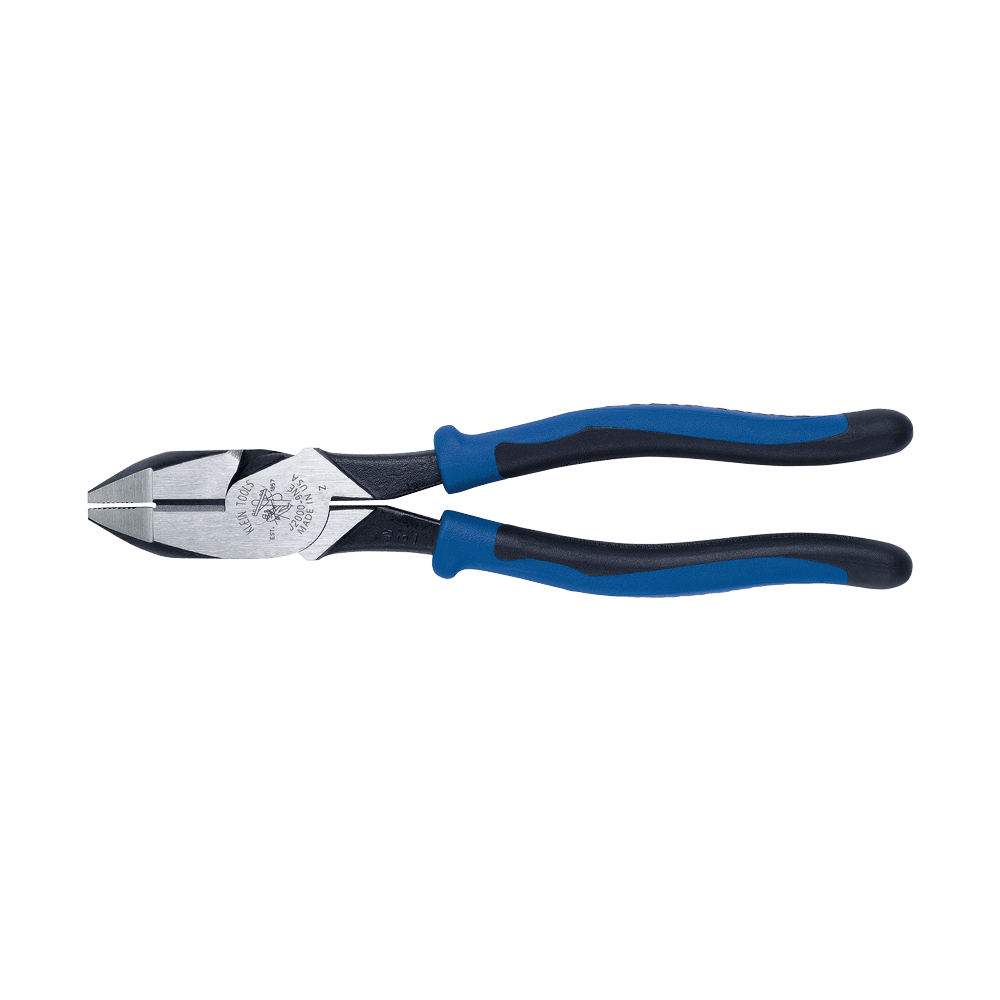
Lead pick for everyday gripping
J2000-9NE is the conventional Journeyman-handle lineman’s format. It earns its role through the basic gripping and cutting tasks, without assigning it the extra features of differently suffixed models.
Read full product review →
For an alternative full-size grip
09 12 240 is a 240 mm American-style lineman’s plier with comfort handles. The exact model should be distinguished from tethered and insulated versions in the same family.
View tool details & comparison →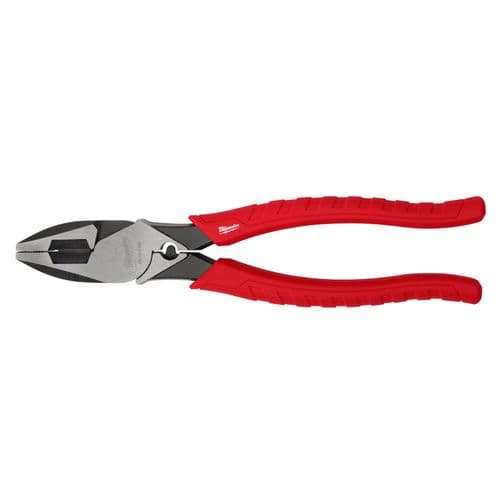
For an integrated crimping role
48-22-6100 combines the grip-and-cut lineman’s format with a crimper. That extra role can reduce one tool change when it matches the connector, but should not be treated as universal connector coverage.
View tool details & comparison →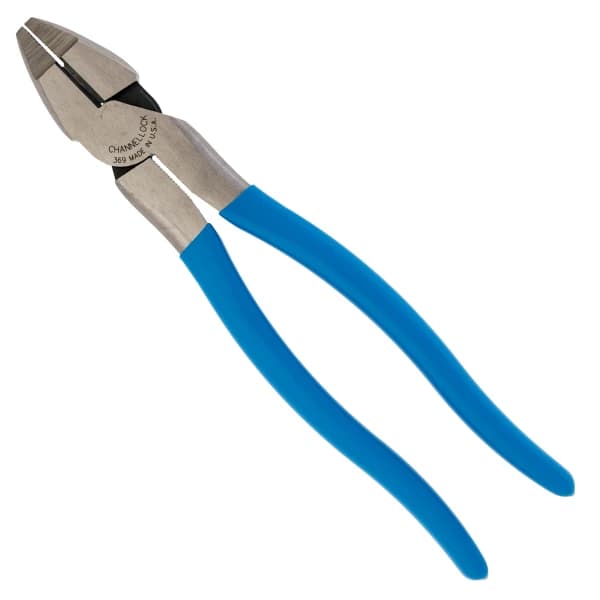
For a 9.5-inch round-nose format
369 is CHANNELLOCK’s 9.5-inch round-nose XLT format. Its leverage design is a manufacturer feature, not our independently measured result against another plier.
View tool details & comparison →
For the larger format with crimper
369CR adds a crimper to CHANNELLOCK’s larger round-nose lineman’s format. The difference from 369 is a specific extra task, rather than a higher quality tier.
View tool details & comparison →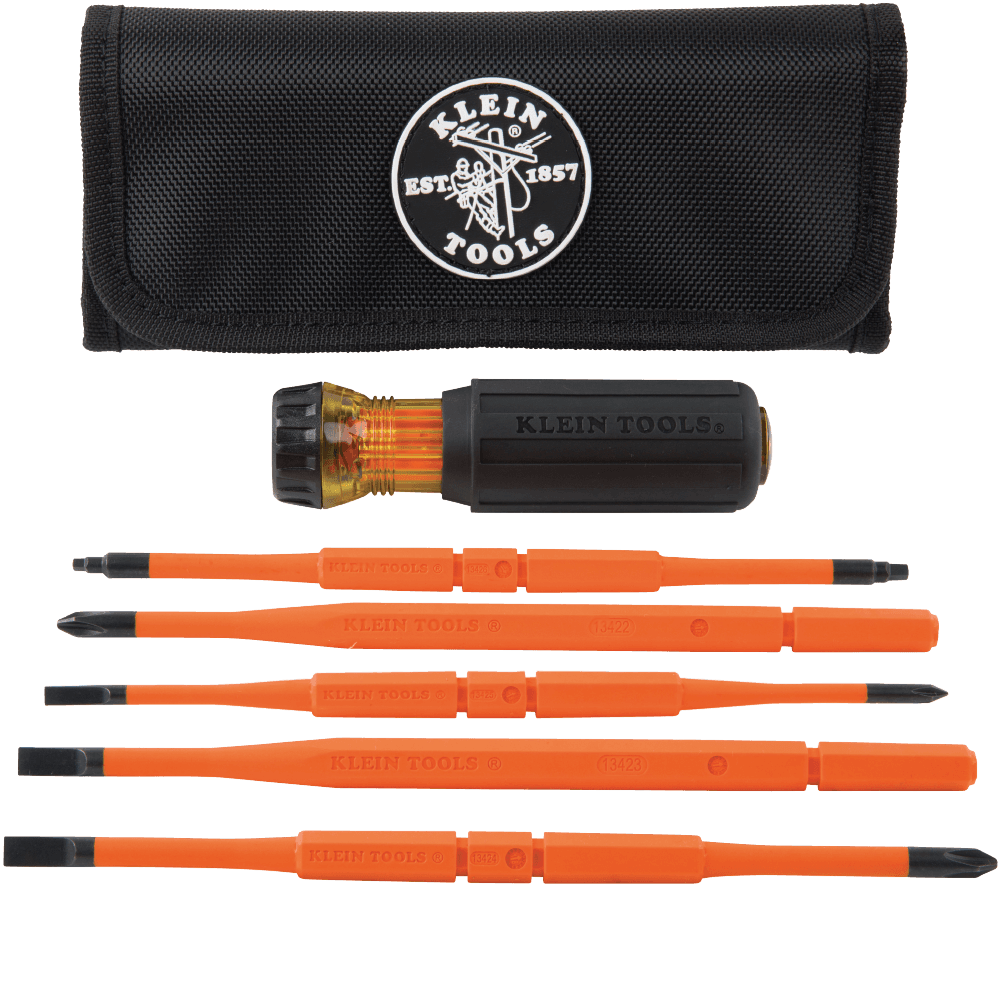
Lead pick for an insulated blade system
32288 pairs an insulated handle with interchangeable insulated blades. It provides a compact way to carry several driver profiles while keeping the insulation requirement explicit for the exact system.
Read full product review →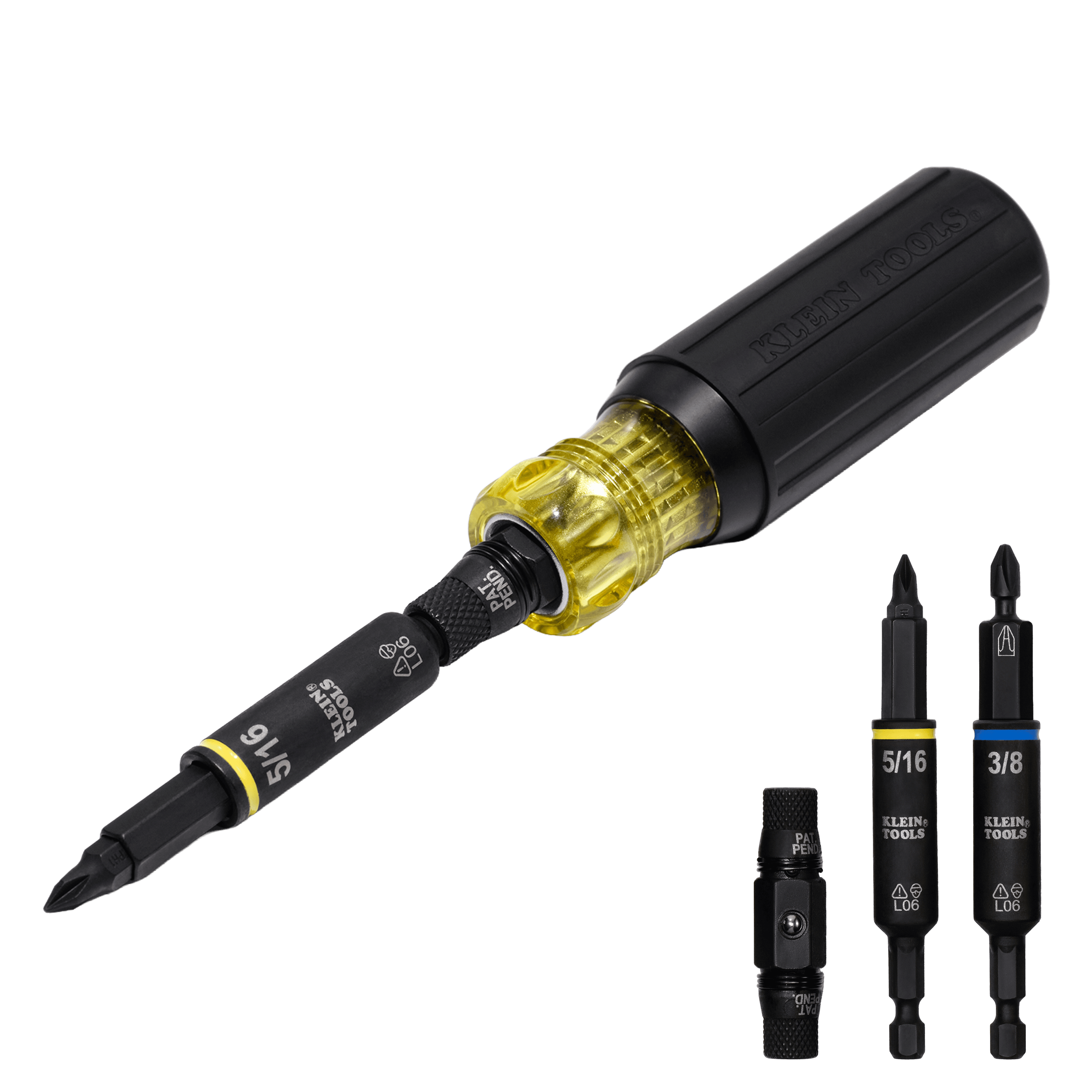
For general multi-bit service
32500HD combines multiple driver and nut-driver roles in one service tool. Impact-rated components are a durability/use specification, not electrical insulation or approval to tighten terminals with an impact driver.
View tool details & comparison →
For pocket-carried insulated bits
Wiha 28345 is a specific six-piece insulated SlimLine PocketMax configuration. The kit number matters because similarly named Wiha sets can contain entirely different pliers, drivers or bit selections.
View tool details & comparison →
For a fixed-blade insulated set
00 20 12 V02 is a six-part VDE slotted/Phillips set. The fixed-blade format makes each supplied profile available directly, at the cost of carrying several separate tools.
View tool details & comparison →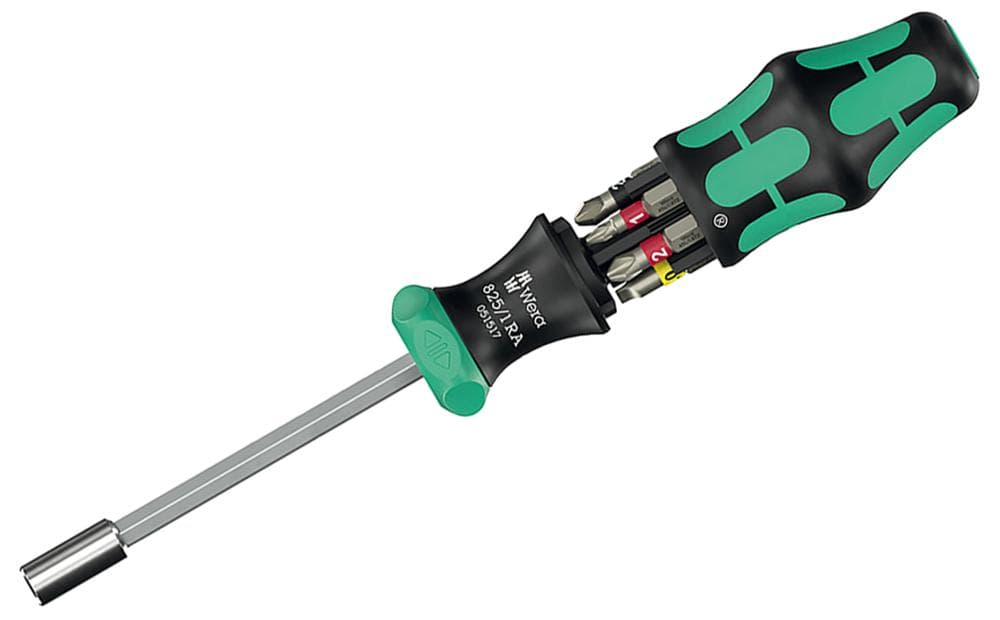
For general ratcheting service
27 RA 1 combines a fine-toothed ratcheting handle with a compact bit-set format. That helps define its role as a general service driver rather than an insulated electrical tool.
View tool details & comparison →
Lead pick for access-focused service
2505-20 is an M12 installation drill/driver with four supplied head configurations. Its appeal is access and versatility around cabinets and devices, rather than being the largest drill in the van.
Read full product review →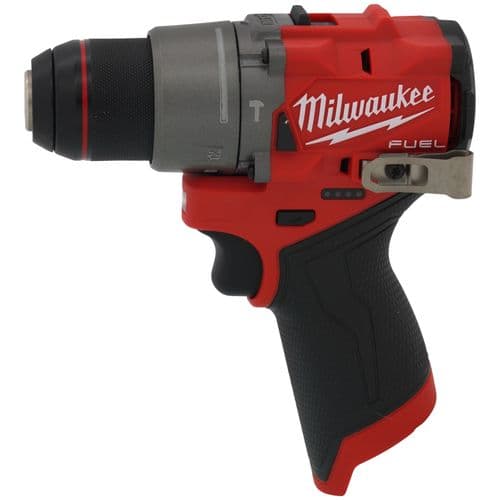
For a conventional compact hammer drill
3404-20 uses a conventional half-inch chuck and M12 platform. It fills a different role from the four-head installation driver, even though both use the same battery family.
View tool details & comparison →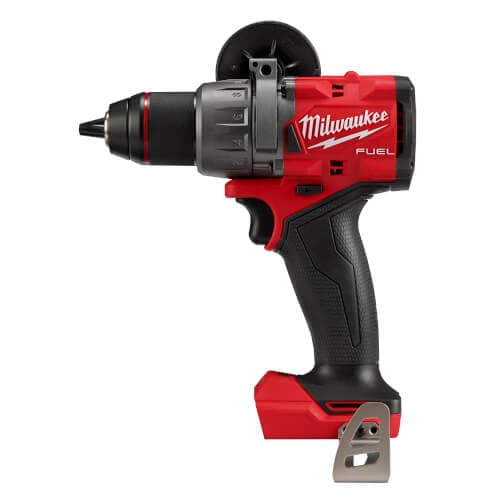
For M18 drilling kits
2904-20 is an M18 hammer drill/driver, positioned here for a drilling-oriented kit. The complete working size depends on the fitted battery as well as the body.
View tool details & comparison →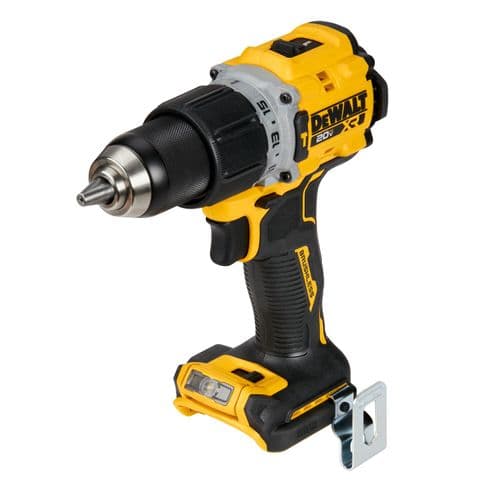
For DeWalt drilling kits
DCD805B is a brushless half-inch hammer drill in the DeWalt 20V MAX family. The B suffix identifies the tool-only package used in this shortlist.
View tool details & comparison →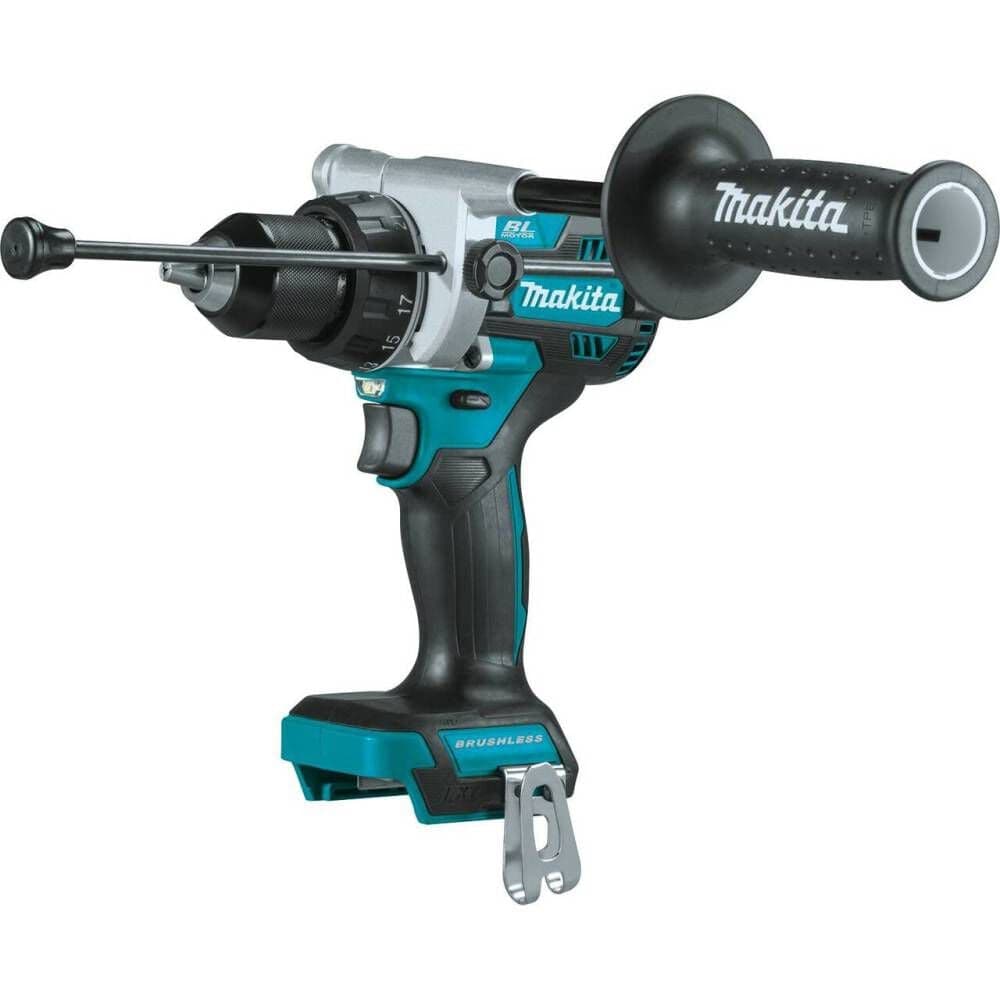
For Makita LXT drilling kits
XPH14Z is an 18V LXT brushless hammer driver-drill. It belongs in a capacity and platform comparison, rather than being treated as interchangeable with a small installation driver.
View tool details & comparison →
Lead pick for an M12 service kit
3453-20 is an M12 quarter-inch hex impact driver. Its purchase case is keeping suitable fastening work on a small battery platform, not replacing hand drivers or torque-controlled terminal tools.
Read full product review →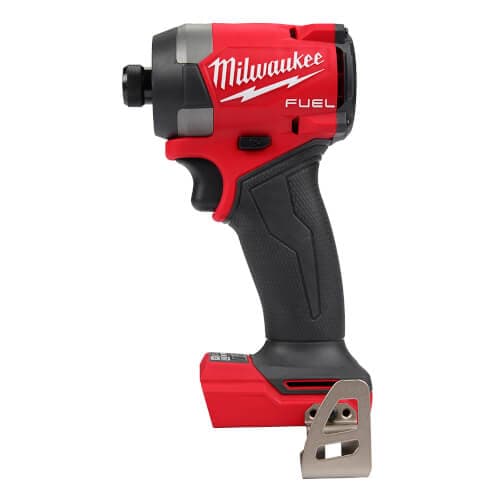
For M18 fastening kits
2953-20 fits the M18 fastening-tool role. It should be compared with the M12 model on task, platform and working size, rather than assuming larger voltage always means a better service tool.
View tool details & comparison →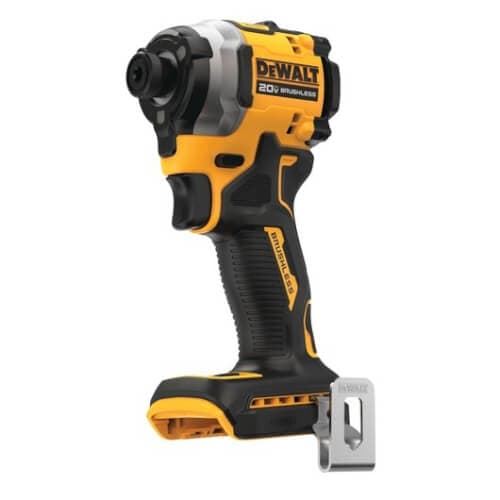
For compact DeWalt fastening
DCF850B is a brushless three-speed quarter-inch hex impact driver in the ATOMIC range. Its format is the relevant reason to compare it with the XR alternative.
View tool details & comparison →
For DeWalt XR installation kits
DCF860B is a brushless XR three-speed impact driver. Its high-torque positioning is useful only when the fastening task calls for that tool class.
View tool details & comparison →
For Makita LXT fastening kits
XDT19Z is a brushless four-speed LXT impact driver with Quick-Shift modes. Those operating choices distinguish it within this shortlist without turning the tool into a torque measuring instrument.
View tool details & comparison →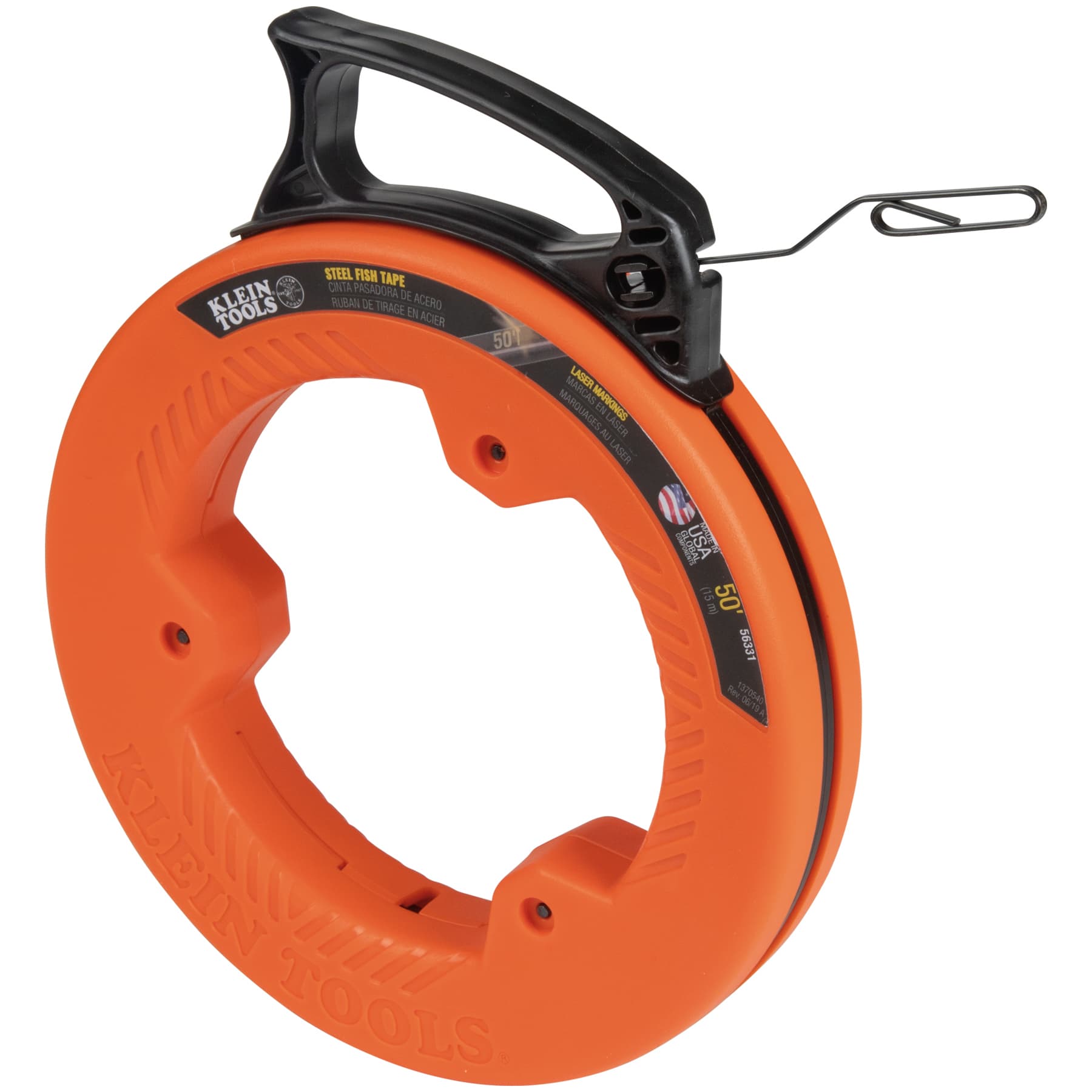
Lead pick for short-run steel tape
56331 is a 50-foot steel fish tape with a one-eighth-inch tape width. Its role here is a straightforward short-run conduit tool, rather than a claim that steel is best for every route.
Read full product review →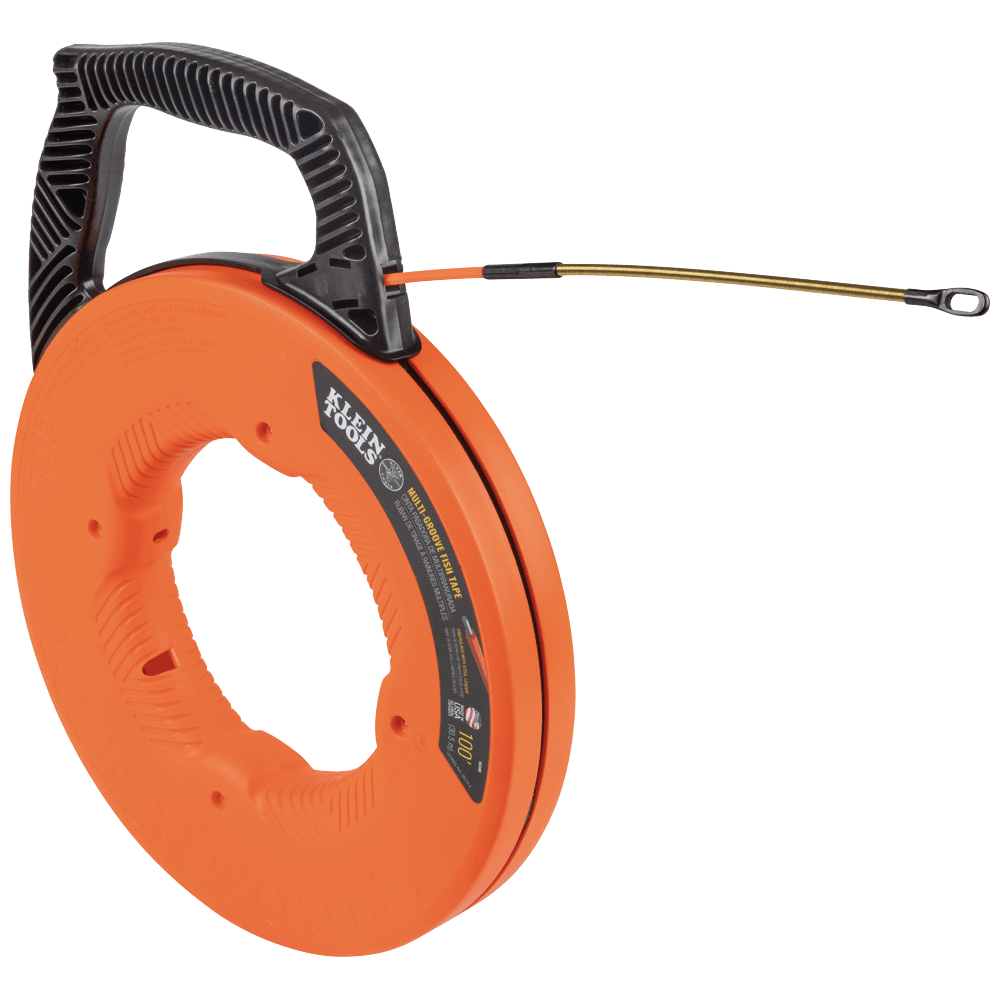
For longer fiberglass-tape routes
56380 pairs a 100-foot fiberglass tape with a spiral steel leader. That leader matters: the body material alone does not describe the electrical properties of the whole assembly.
View tool details & comparison →For a polyester nonconductive-tip format
48-22-4165 is a 100-foot polyester fish tape with a nonconductive tip. The exact suffix matters because other Milwaukee fish tapes use different materials and leaders.
View tool details & comparison →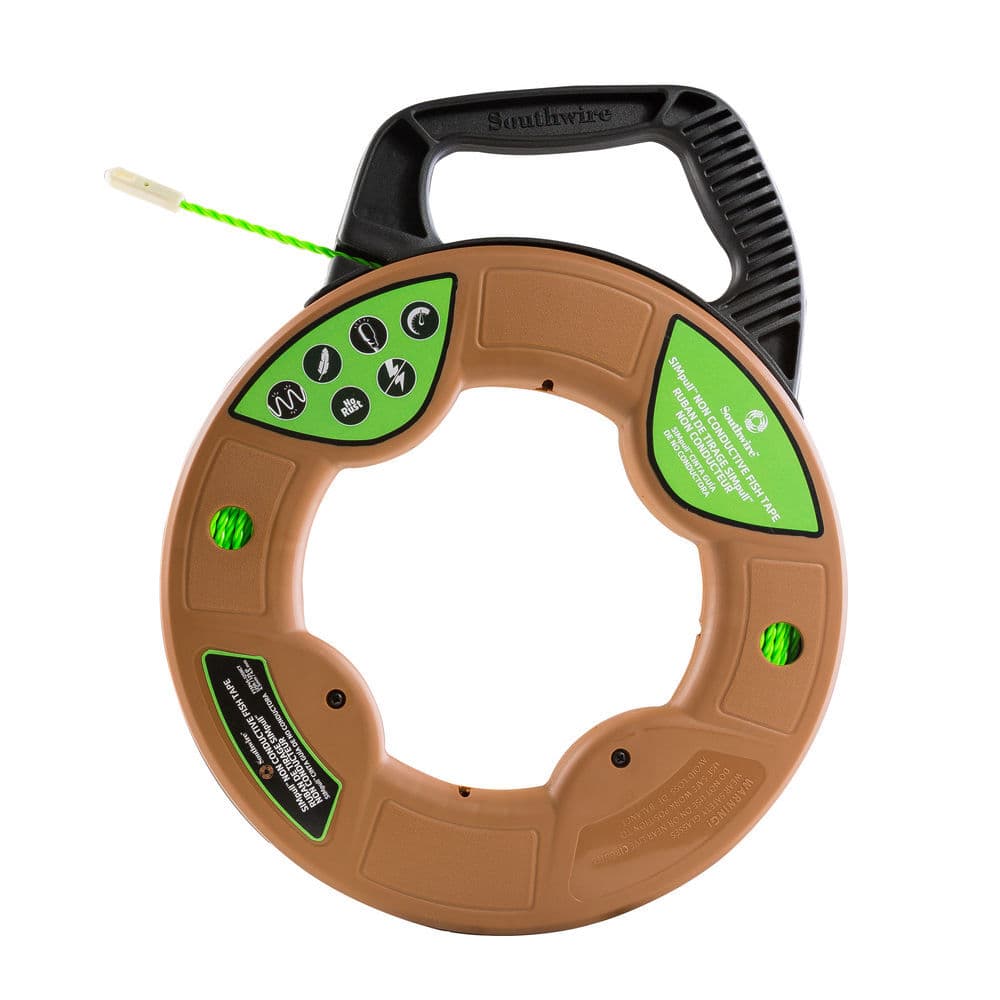
For a longer nonconductive-tip tape
FTSP45-125NCT specifies a 4.5 mm tape and a 125-foot length with a nonconductive tip. Those details distinguish this configuration from similarly named SIMpull models.
View tool details & comparison →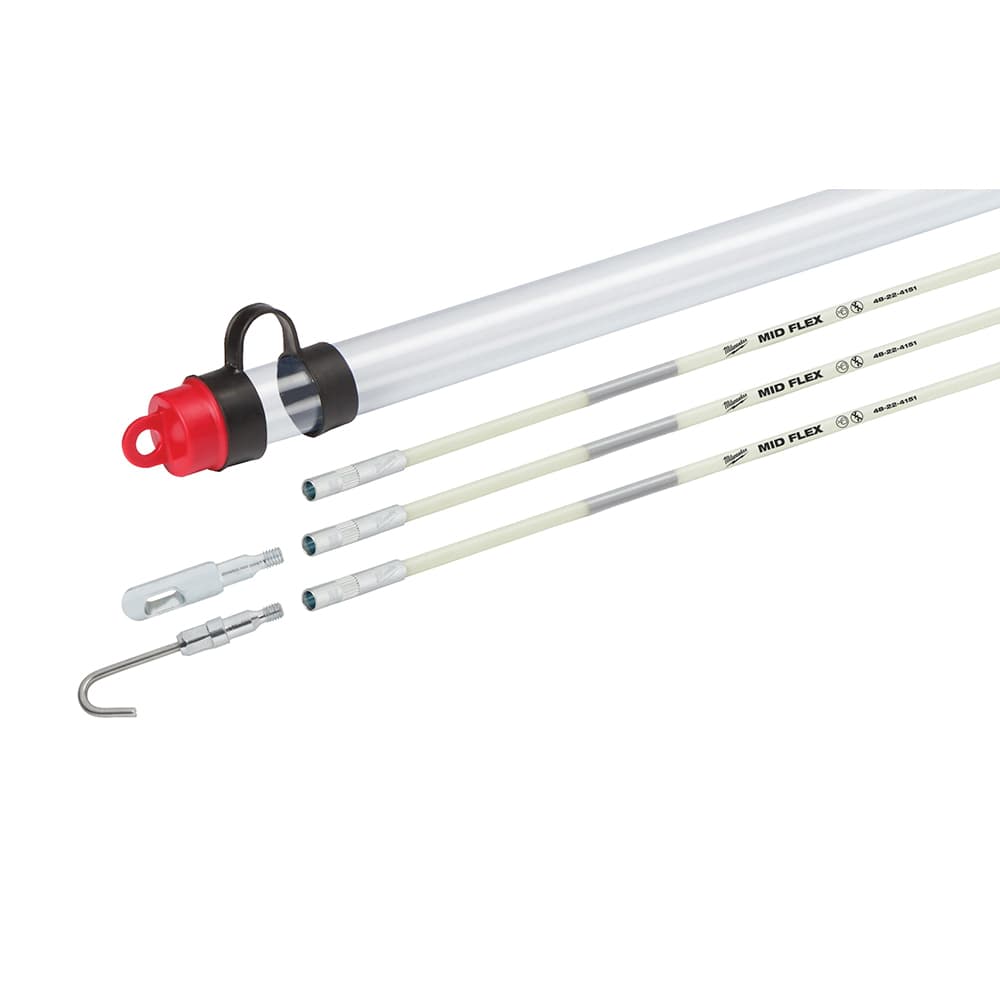
For open-void rod access
48-22-4152 is a 15-foot mid-flex fish-stick kit, not a fish tape. It is included as a format alternative because cable access in an open cavity can require a different tool.
View tool details & comparison →
Lead pick for an M12 service kit
2367-20 is an M12 ROVER service and repair flood light with a USB charging function. It is a service-kit format rather than the same product as a large installation floodlight.
Read full product review →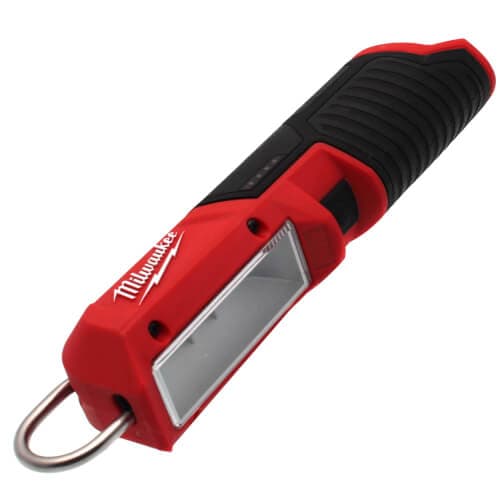
For a narrower M12 task-light format
2351-20 takes the M12 stick-light format rather than the ROVER service flood format. It is a placement alternative within the same battery family.
View tool details & comparison →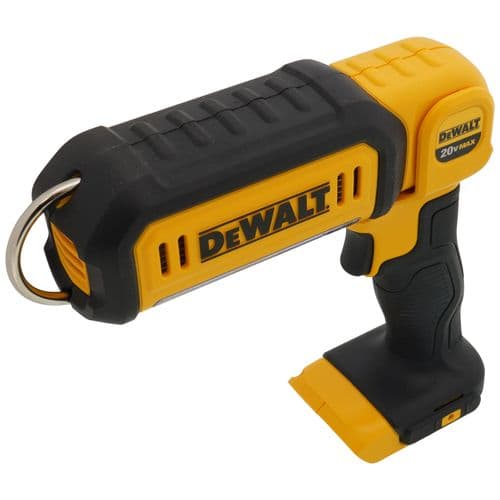
For DeWalt service lighting
DCL050 is a DeWalt 20V MAX hand-held area light. Its role is portable task and area illumination using a compatible tool battery.
View tool details & comparison →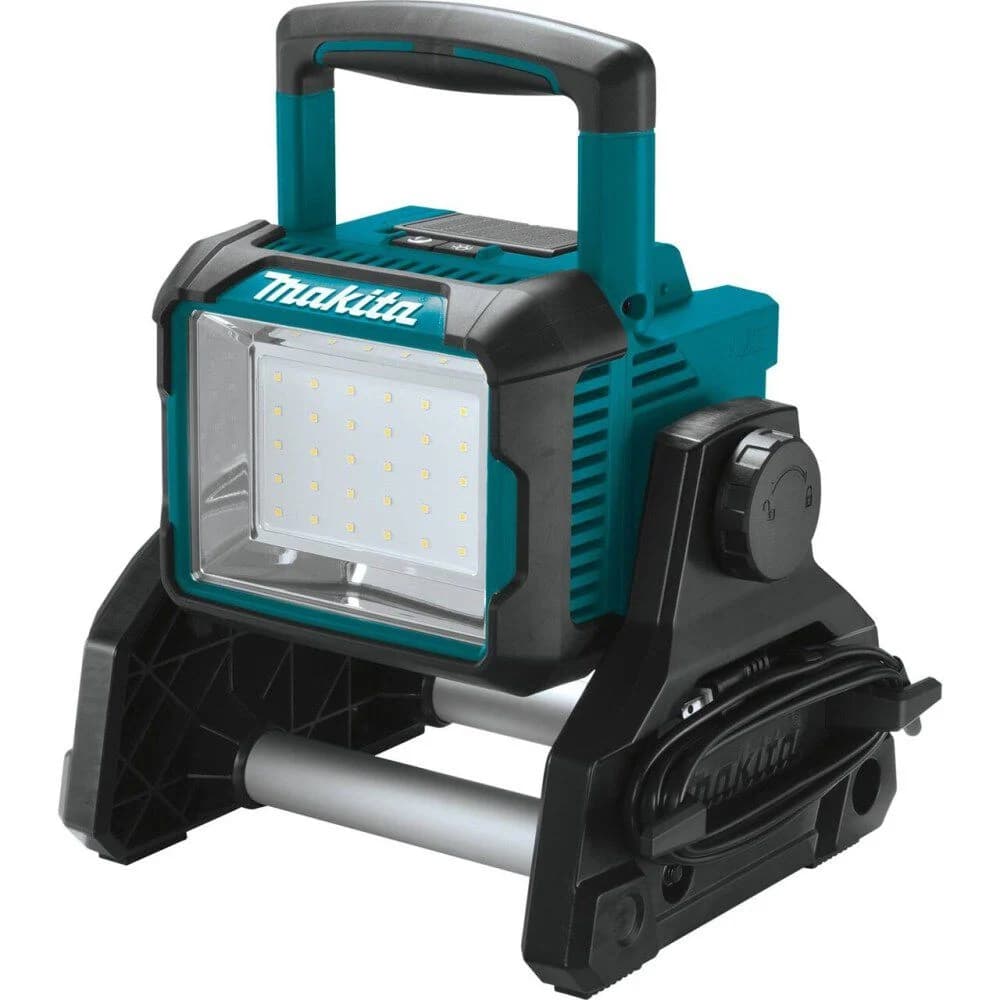
For installation area lighting
DML811 is a corded/cordless work light supporting 18V LXT battery power or 120V AC. Makita documents IP65 protection for this model.
View tool details & comparison →
For separate-battery area light
The Siege is a lantern format for surrounding area illumination. The 44931 configuration should be distinguished from smaller Siege AA models and rechargeable variants.
View tool details & comparison →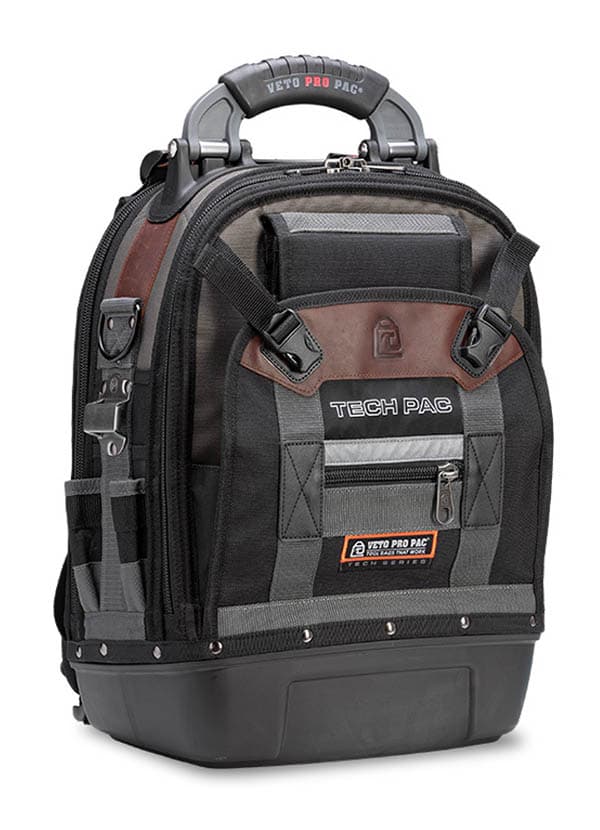
Lead pick for a structured service kit
TECH PAC is a tool backpack designed around organized trade-tool storage. Its buying case is the layout and fit of a real service kit, rather than a promise of better carrying comfort for every user.
Read full product review →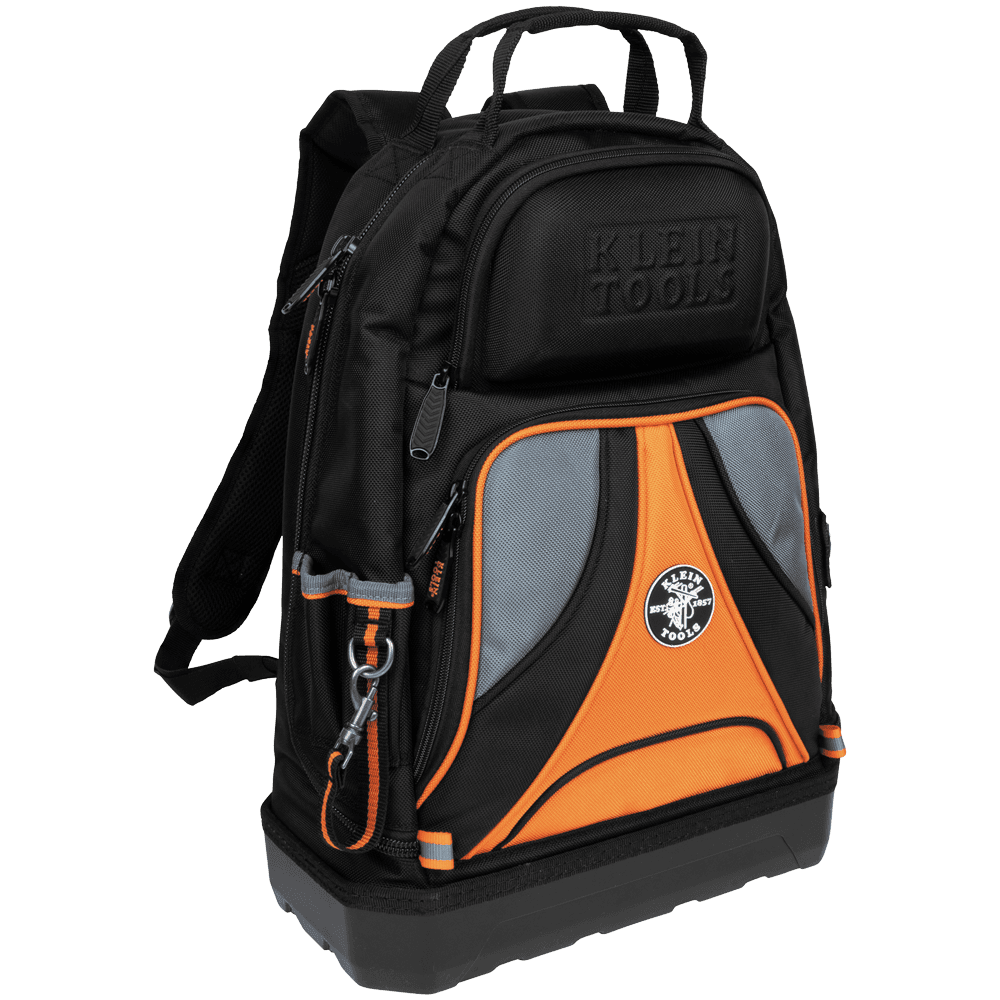
For a 39-pocket service layout
55421BP14 is the specific 39-pocket backpack configuration. It should be compared with the XL model by dimensions and usable tool positions, not pocket count alone.
View tool details & comparison →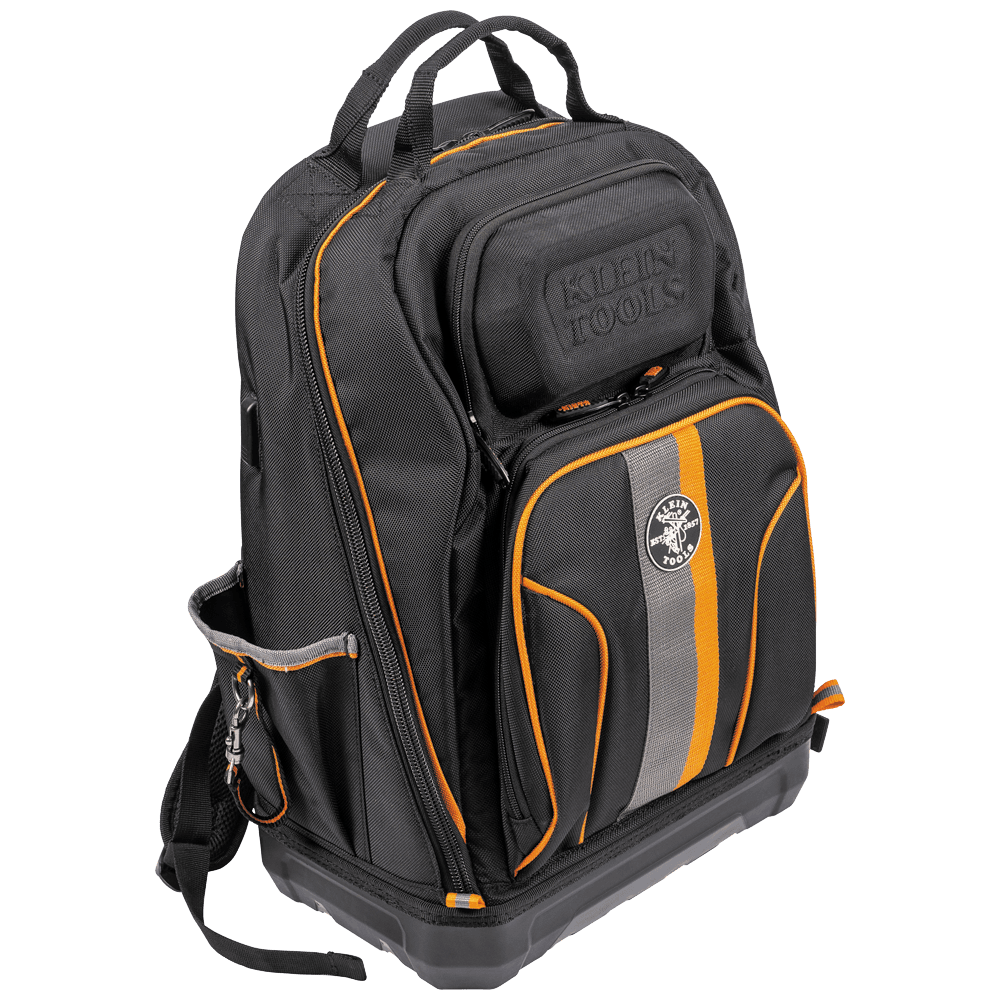
For a larger Klein layout
62800BP is the 40-pocket Tradesman Pro XL backpack. XL is a layout and size decision; the single additional counted pocket does not explain its practical difference from the BP14.
View tool details & comparison →
For tools and a laptop compartment
48-22-8200 is a 35-pocket jobsite backpack with 1680D construction and a documented laptop compartment. Those features distinguish its layout without proving comfort or waterproof storage.
View tool details & comparison →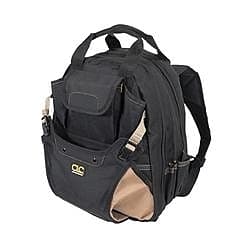
For a two-compartment tool layout
CLC 1134 is a 44-pocket backpack with two main zippered compartments. It offers another organizational approach rather than a guaranteed value winner without a current price comparison.
View tool details & comparison →